Fashion coordinators play a crucial role in shaping how style and trends come to life, carefully selecting outfits that resonate with their audience. But to truly connect, understanding the audience’s preferences, cultural background, and even emotional triggers is essential.

This is where audience analysis steps in, blending data and intuition to craft looks that speak directly to people’s tastes and lifestyles. As fashion becomes more personalized and data-driven, mastering these skills sets professionals apart in a competitive industry.
Ready to dive deeper into how fashion coordination and audience insights work hand in hand? Let’s explore the details ahead!
Decoding the Heartbeat of Style: Audience Mindset
Unearthing Personal Preferences Beyond the Surface
When we talk about style, it’s tempting to think it’s all about the clothes themselves. But from my experience, the real magic happens when you tap into the deeper layers—what people *feel* about the colors, textures, and silhouettes.
For instance, someone might shy away from bold patterns not just because of taste, but because they associate them with a particular memory or cultural vibe.
I’ve seen how a simple shift from a loud print to a subtle motif can transform a client’s confidence entirely. Understanding these nuances requires more than just asking “What do you like?” It means listening to stories, observing reactions, and sensing emotional pulls that shape preferences on an almost subconscious level.
Cultural Influences That Shape Style Choices
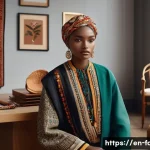
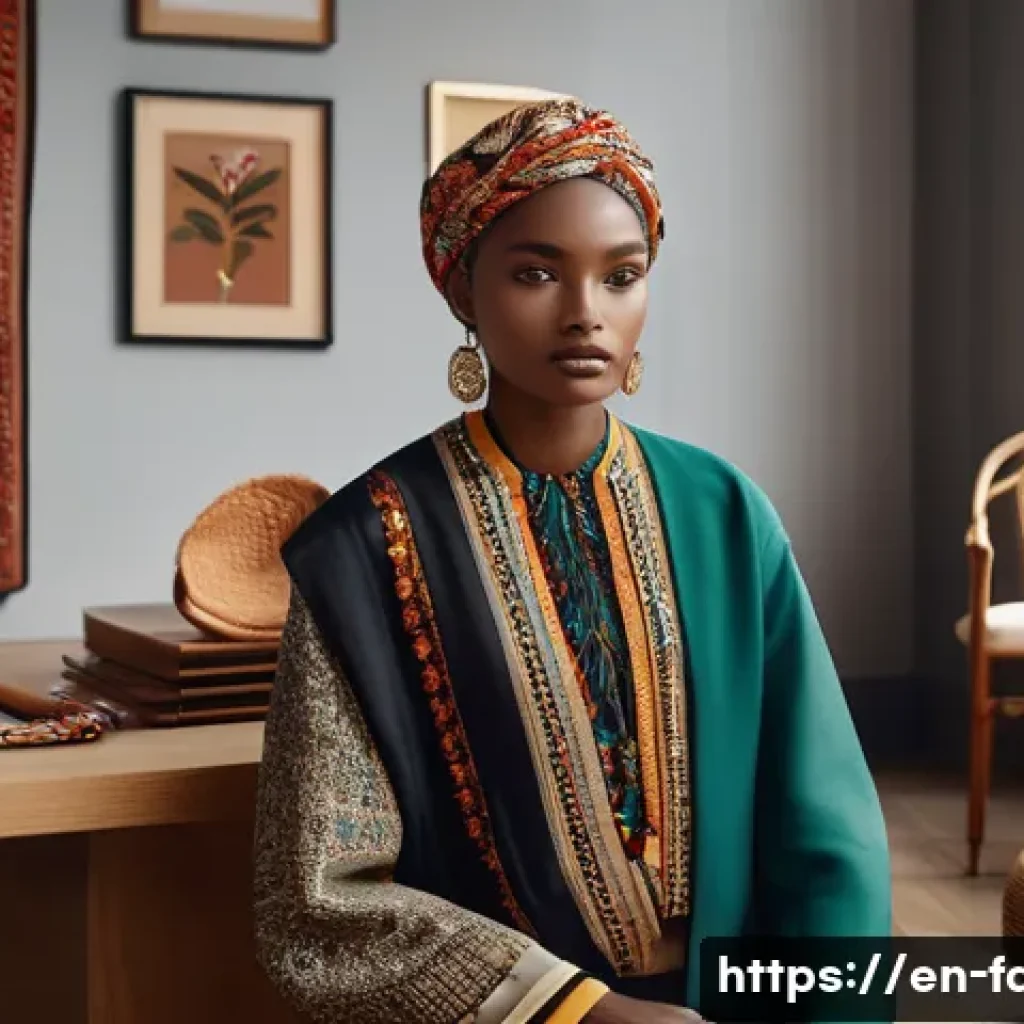
Every wardrobe tells a story, often rooted deeply in cultural backgrounds. I remember working with clients from diverse ethnicities where traditional motifs or colors held symbolic meaning.
Incorporating these elements respectfully and creatively can elevate a look from generic to genuinely personal. For example, integrating a classic pattern from a client’s heritage into a modern outfit can evoke pride and connection.
But it’s a balancing act; too literal, and it feels costume-like, too vague, and it loses significance. This is where cultural literacy becomes a must-have skill for fashion coordinators, enabling them to bridge tradition and contemporary trends gracefully.
Emotional Triggers: The Invisible Thread in Wardrobe Choices
Fashion isn’t just about aesthetics; it’s deeply emotional. I’ve noticed that certain colors or fabrics can instantly lift moods or conversely, evoke discomfort.
Knowing these emotional triggers is like having a secret key to the client’s style kingdom. For instance, one client shunned synthetic fabrics because they reminded her of a negative past experience, while another found bright reds empowering before important meetings.
This emotional layer is often overlooked but when tapped into, it can transform how people perceive themselves and their outfits, making style coordination a truly transformative experience.
Harnessing Data to Predict What Clicks
From Gut Feeling to Data-Driven Decisions
Relying solely on intuition in fashion coordination was the norm until data analytics started influencing the game. Now, blending instinct with data insights feels like having a superpower.
I’ve seen firsthand how analyzing social media trends, consumer behavior, and purchase patterns can guide smarter outfit selections that resonate widely.
For example, spotting a rising preference for sustainable fabrics among a target demographic allows me to curate eco-conscious looks that don’t just follow trends but anticipate them.
This synergy between gut feeling and data ensures that the final styling isn’t just trendy but strategically aligned with what people want.
Tools and Technologies Making Audience Insights Accessible
The rise of AI-powered tools and customer profiling platforms has revolutionized how fashion coordinators access and interpret audience data. I started using platforms that track engagement rates on various styles across regions and age groups, which helped me tailor selections much more precisely.
These tools offer dashboards that visualize preferences, helping to spot subtle shifts quickly—like a sudden rise in interest for vintage-inspired pieces among millennials.
It’s fascinating how technology empowers human creativity rather than replacing it, enabling coordinators to make more informed and impactful style choices.
Predictive Styling: The Future of Personalized Fashion
Predictive analytics isn’t just buzzword hype; it’s reshaping how fashion professionals anticipate client needs. I experimented with predictive styling models that suggest outfit components based on past purchases and browsing habits.
The results? Higher satisfaction and fewer returns. Clients feel understood on a whole new level, as if the wardrobe was curated just for them even before they voiced their desires.
This approach is particularly powerful in e-commerce, where the tactile experience is missing, yet personalization can still shine through clever data application.
Building Emotional Connections Through Visual Storytelling
Crafting Looks That Tell a Story
Outfits that connect on an emotional level often tell a compelling story. I’ve found that layering pieces with symbolic meaning or personal significance can transform a look into a narrative.
For example, pairing a vintage jacket passed down through generations with contemporary streetwear not only looks fresh but carries sentimental weight.
This storytelling approach invites viewers to connect beyond the surface, making fashion feel more intimate and memorable. It’s a technique that turns mere styling into an art form that resonates deeply.
Color Psychology in Fashion Coordination
Colors speak louder than words, and tapping into color psychology has been a game-changer for me. Red can evoke passion and confidence, blue brings calm and trust, while yellow sparks joy and creativity.
When coordinating outfits, I consider the occasion and the wearer’s emotional state to select hues that amplify their mood or desired impression. For example, dressing a client for a high-stakes presentation in shades of navy and burgundy helped convey authority while keeping the look approachable.
Understanding these emotional color triggers enriches the coordination process immensely.
Visual Harmony: Balancing Trends and Individuality
While trends are important, I’ve learned that blending them with a client’s unique style creates the strongest impact. Visual harmony isn’t just about matching colors or patterns but about aligning the outfit with the wearer’s personality and lifestyle.
For instance, a trend-driven oversized blazer might look great but feel uncomfortable for someone who prefers minimalism. Adapting trends thoughtfully ensures the client feels authentic, not like they’re wearing a costume.
This balance fosters genuine connections and long-term style satisfaction.
Segmenting Audiences for Tailored Styling Approaches
Demographics: Age, Gender, and Beyond
Segmenting audiences by demographics is a foundational step. Different age groups have distinct style needs and spending habits, and recognizing these differences helps tailor recommendations.
For example, younger audiences might gravitate toward experimental, fast-fashion items, while older demographics may prioritize quality and timelessness.
Gender also plays a role but is becoming more fluid in styling approaches today, opening doors to more inclusive and versatile looks. Paying close attention to these demographic details allows for sharper, more relevant fashion coordination.
Lifestyle and Psychographics: Going Deeper Than Numbers
Beyond demographics, psychographics like values, interests, and lifestyles offer richer insight. I once styled a group of eco-conscious clients who prioritized sustainability over brand names, which shifted the entire selection toward ethical labels and recycled materials.
Similarly, active lifestyles might demand practical yet stylish pieces that transition seamlessly from work to workout. Considering these dimensions transforms styling from a one-size-fits-all solution into a bespoke experience that truly fits people’s daily lives and aspirations.
Behavioral Patterns and Purchase Drivers
Analyzing how clients shop and what motivates their purchases reveals critical clues. Some clients are impulse buyers drawn to bold new releases, while others research extensively before committing.
Understanding these patterns helps me pace the styling process and recommend items that feel timely and exciting rather than overwhelming. It also informs upselling opportunities and seasonal recommendations, making the entire client journey smoother and more enjoyable.
Integrating Sustainability into Audience-Centric Styling
Meeting the Growing Demand for Ethical Fashion
Sustainability isn’t just a trend; it’s a value that many audiences now expect from fashion coordinators. Personally, I’ve noticed a significant shift where clients actively seek out brands that prioritize eco-friendly materials and fair labor practices.
Incorporating these priorities into styling not only aligns with client values but also positions the coordinator as socially responsible and forward-thinking.
This alignment builds trust and loyalty, which is invaluable in a saturated market.
Educating Clients While Curating Wardrobes
Part of my role has evolved into educating clients about the impact of their fashion choices. When I suggest sustainable alternatives or highlight the benefits of investing in quality over quantity, clients appreciate the transparency and feel empowered.
This educational approach fosters deeper relationships and encourages more mindful consumption patterns, which I find personally rewarding. It’s about creating a positive ripple effect beyond just the outfit itself.
Balancing Style and Sustainability Without Compromise
There’s a misconception that sustainability limits style options. From my experience, it’s quite the opposite. The challenge is to creatively source and combine pieces that meet both aesthetic and ethical criteria.
For example, mixing vintage finds with modern sustainable labels can produce unique, stylish looks that tell a story of conscious curation. This balance showcases that fashion can be both beautiful and responsible, appealing strongly to today’s discerning audiences.
Mastering Communication for Effective Style Presentation
Visual Presentation Techniques That Engage
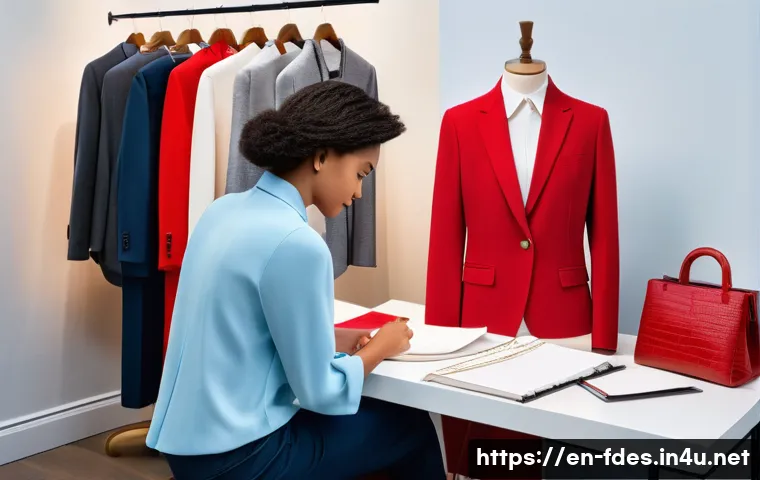
How you present an outfit can be as important as the outfit itself. I’ve learned that storytelling through mood boards, styled photoshoots, or even short videos helps clients visualize how pieces come together in real life.
Using these visual aids makes the experience interactive and less abstract, which increases client excitement and buy-in. For example, showing how a blazer pairs with different accessories or settings helps clients see versatility and value.
Listening Actively to Capture True Needs
Active listening is a skill that can’t be overstated in fashion coordination. When clients feel genuinely heard, they open up about their fears, aspirations, and style challenges.
This information is gold for creating personalized looks. I often take notes during consultations, asking follow-up questions to clarify vague preferences.
This dialogue builds rapport and ensures the final styling feels truly tailored rather than generic.
Feedback Loops for Continuous Improvement
Finally, I always encourage feedback after styling sessions or events. Sometimes what looks good on paper doesn’t translate perfectly in real life. By inviting honest responses, I refine my approach and build trust through transparency.
Clients appreciate knowing their input shapes future recommendations, making the relationship dynamic and client-centric.
| Audience Insight Category | Key Focus Areas | Impact on Styling |
|---|---|---|
| Personal Preferences | Emotional associations, fabric comfort, color likes/dislikes | Enhances client confidence, creates authentic connections |
| Cultural Background | Traditional motifs, symbolic colors, heritage pride | Creates meaningful, respectful style narratives |
| Data Analytics | Trend tracking, social engagement, purchase patterns | Informs timely, trend-aligned styling choices |
| Psychographics | Values, lifestyles, sustainability concerns | Enables bespoke, value-driven wardrobe curation |
| Communication | Active listening, visual storytelling, feedback loops | Improves client satisfaction and long-term loyalty |
글을 마치며
Understanding the intricate mindset of your audience is the key to unlocking truly personalized style. By blending emotional insight, cultural awareness, data-driven strategies, and effective communication, fashion coordination transcends mere aesthetics. This holistic approach not only elevates the client experience but also builds lasting connections rooted in authenticity and trust.
알아두면 쓸모 있는 정보
1. Emotional connections often influence style choices more than visible preferences, so pay attention to subtle cues beyond words.
2. Cultural elements can enrich styling but require sensitivity to avoid clichés or misrepresentation.
3. Leveraging data analytics enhances trend forecasting and allows for smarter, audience-aligned outfit curation.
4. Sustainability is becoming a non-negotiable value for many clients, making ethical fashion knowledge essential for coordinators.
5. Active listening and visual storytelling significantly improve client engagement and satisfaction throughout the styling process.
핵심 포인트 정리
Successful style coordination hinges on a deep understanding of the audience’s emotional and cultural context, supported by data insights and clear communication. Prioritizing personalized experiences, incorporating sustainability, and fostering open feedback loops ensure that styling not only meets but anticipates client needs. This comprehensive, human-centered approach distinguishes expert coordinators and drives long-term loyalty.
Frequently Asked Questions (FAQ) 📖
Q: How does audience analysis improve the effectiveness of fashion coordination?
A: Audience analysis allows fashion coordinators to tailor their selections based on who they’re dressing for. By understanding factors like age, cultural background, lifestyle, and even emotional triggers, coordinators can choose outfits that truly resonate with their audience.
This not only makes the style more relatable but also increases engagement and satisfaction. From my experience, when I’ve taken the time to dig into audience preferences, the looks I put together felt more authentic and received better feedback, proving that data combined with intuition is a powerful tool.
Q: What methods do fashion coordinators use to gather audience insights?
A: Fashion coordinators rely on a mix of research techniques, including social media analysis, trend reports, customer surveys, and direct feedback from clients or target groups.
They often observe what’s trending within specific communities and note cultural nuances that influence fashion choices. Personally, I’ve found that spending time on platforms like Instagram or TikTok and engaging with followers helps me catch emerging trends early.
This hands-on approach, paired with data analytics, ensures the outfits I curate are not only stylish but also relevant to the audience’s evolving tastes.
Q: Why is personalization becoming more important in fashion coordination?
A: Personalization in fashion is crucial because consumers today want to feel seen and understood, not just dressed. With the rise of digital shopping and social media, people expect brands and stylists to offer options that reflect their unique identity and lifestyle.
I’ve noticed that when I personalize recommendations—considering things like body type, color preferences, and even emotional vibes—the connection with clients deepens, leading to higher satisfaction and loyalty.
In a crowded market, this tailored approach sets professionals apart and drives long-term success.