Hey there, fashion lovers! If you’ve ever dreamt of being at the heart of style, making trends happen, and truly shaping how we see clothing, then becoming a fashion coordinator might just be your calling.
I’ve personally seen this role evolve incredibly over my years in the industry, transforming from a vital behind-the-scenes organizer to a truly influential trendsetter.
It’s no longer just about picking out aesthetically pleasing garments; it’s about understanding the entire lifecycle of fashion, from ethical and sustainable sourcing to the latest digital showcases.
With the industry leaning heavily into groundbreaking innovations like AI-driven design and hyper-personalization, the future is incredibly exciting, but also wonderfully demanding, for those looking to make their unique mark.
You truly need a keen eye, razor-sharp organizational skills, and a genuine, unwavering passion to navigate this fast-paced and ever-changing world. Many people ask me, “How do I even begin?” and I totally get it – the sheer breadth of the landscape can feel overwhelming at first glance.
But trust me, with the right preparatory courses and a strategic mindset, you can absolutely shine and contribute to a more innovative, inclusive, and forward-thinking fashion future.
Ready to uncover what it truly takes to step into this exhilarating career? We’ll explore the essential preparatory courses and skills that will set you up for unparalleled success.
Setting the Stage: Your Academic Launchpad
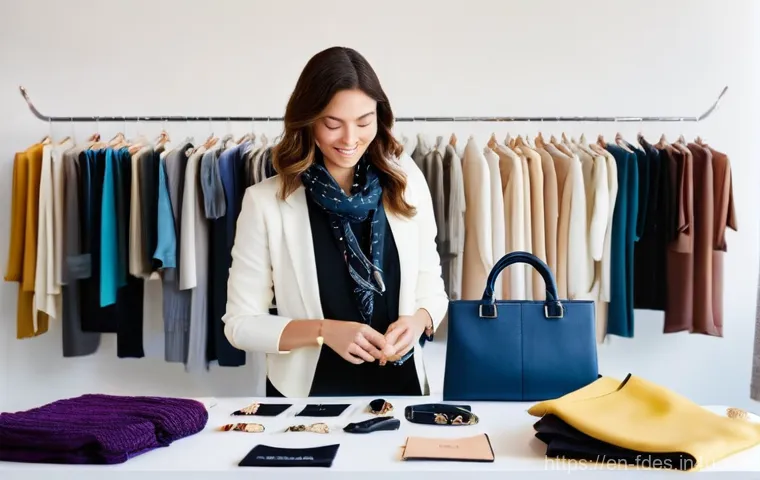
Embarking on a career as a fashion coordinator really starts with building a rock-solid educational foundation. From my experience, you’ll find that a bachelor’s degree in fashion design, fashion merchandising, marketing, or other business-related fields gives you a significant edge. Think of these programs as your academic boot camp, where you’ll learn everything from the historical evolution of fashion to the intricate dance of supply chain management. For instance, courses in fashion merchandising often cover trend analysis and forecasting, brand management, planning and buying, and even retail entrepreneurship, which are all super relevant to what a coordinator does day-to-day. It’s not just about learning what looks good, but understanding why it sells and how it gets to market. I remember feeling so overwhelmed with all the different aspects initially, but each course builds on the last, giving you a comprehensive understanding. You’ll dive into textiles, learning about different fabrics and their properties, which is invaluable when you’re selecting pieces for a photoshoot or event. And let’s not forget the business side – you’ll often be responsible for budgeting and accounting for fashion shows, so those math and business classes you might have dreaded actually become incredibly useful. This foundational knowledge is truly the bedrock upon which you’ll build your entire career, enabling you to speak the language of designers, marketers, and manufacturers alike.
Deep Dives into Fashion Design and Merchandising
When I talk about foundational courses, I often highlight dedicated programs in fashion design and merchandising. These aren’t just for aspiring designers; they’re goldmines for future coordinators. You’ll find yourself engrossed in classes that teach you about consumer behavior, product development from concept to final execution, and the nuances of retail distribution. Many programs, like those at LIM College or the Fashion Institute of Technology, integrate creative and business aspects, giving you a holistic view. I’ve seen firsthand how understanding the entire product lifecycle, from initial sketch to store shelf, empowers coordinators to make smarter, more informed decisions when curating collections or planning events. You’ll learn the practicalities of merchandise buying and operations, and how to create compelling presentations that capture the essence of a brand. This hands-on, real-life focused education ensures you’re not just theoretical but ready to tackle actual industry challenges from day one, which is something employers absolutely love.
The Power of a Solid Business Acumen
Beyond the creative flair, a fashion coordinator absolutely needs a sharp business mind. Trust me, I’ve seen incredibly creative people struggle because they lacked an understanding of the financial and strategic aspects of the industry. This is where courses covering subjects like marketing, financial management, and even legal aspects of fashion come into play. You’ll learn how to analyze market segments, explore different business models – from boutiques to e-commerce – and understand how to develop robust business plans. It’s about more than just making something beautiful; it’s about making it profitable and sustainable. Knowing how to predict trends, develop professional fashion presentations, and create merchandise plans are all crucial skills that business-focused courses provide. I’ve always felt that my business classes were just as important as my design ones because they taught me how to turn a creative vision into a tangible, successful reality. You’ll delve into the importance of social media in marketing, learning how to build an online presence and leverage platforms to promote fashion projects and events effectively. This blend of creativity and commercial awareness is truly what makes a fashion coordinator indispensable in today’s market.
Sharpening Your Creative Edge: It’s More Than Just Trends
While a solid academic background is non-negotiable, truly excelling as a fashion coordinator means consistently honing your creative edge. It’s not just about following trends; it’s about having an innate sense of style, an understanding of aesthetics, and the ability to curate looks that tell a story. This keen eye for detail, coupled with a deep appreciation for color, design, and what’s currently fashionable, is something you actively cultivate. I always tell aspiring coordinators to immerse themselves in everything fashion-related – from poring over high-end magazines to observing street style and visiting art galleries. It’s about constantly feeding your visual vocabulary. You’ll find yourself developing a strong sense of aesthetics that allows you to visualize the overall look and feel of an event or project, bringing your creative vision to life. It’s a continuous learning process, a dance between what’s currently happening and what’s just around the corner, and honestly, that’s what keeps it so exciting for me. Developing this kind of intuition means consistently engaging with visual mediums, and understanding how different elements come together to create a cohesive and impactful statement.
Mastering Visual Storytelling and Curation
Fashion is, at its heart, visual storytelling. As a coordinator, you’re essentially the director of that story. This means sharpening your visual communication skills to translate abstract ideas into captivating imagery. Think about creating mood boards that aren’t just pretty pictures but convey a clear narrative, or selecting garments and accessories that perfectly encapsulate a brand’s message for a photoshoot. This goes hand-in-hand with an understanding of fashion photography, graphic design, and content creation for various media platforms. I’ve personally spent countless hours refining my ability to curate collections that resonate with a specific audience, always asking myself: “What emotion does this evoke? What message does this send?” It’s a delicate balance of artistry and strategy, making sure every element, from the fabric choices to the styling, contributes to a compelling visual statement. This continuous practice allows you to develop an intuitive understanding of how visual elements combine to create powerful and memorable fashion narratives. You learn to edit, refine, and present your vision in a way that is both impactful and professional.
Understanding Color Theory and Textile Knowledge
Believe it or not, a deep dive into color theory and textile knowledge is one of the unsung heroes of fashion coordination. It’s not just about knowing that red and blue go together; it’s understanding the psychology of color, how different hues interact, and what messages they convey. Similarly, having a thorough grasp of various textiles – from the drape of a silk chiffon to the structure of a raw denim – is absolutely crucial. I’ve seen how a coordinator who truly understands fabrics can elevate an entire collection simply by knowing which materials will achieve the desired effect for a specific garment or event. This knowledge impacts everything from comfort and durability to how a garment photographs under different lighting. You’ll spend time examining sample garments, analyzing their color schemes, material construction, and assembly requirements. It’s about being able to discern quality, understand production processes, and make informed decisions that align with both aesthetic goals and practical considerations, like budget-friendly materials. This nuanced understanding really sets a coordinator apart, allowing for truly sophisticated and well-executed projects.
| Skill Category | Key Skill | Why It’s Crucial |
|---|---|---|
| Creative & Aesthetic | Trend Forecasting | Anticipating shifts in consumer preferences and market demands to stay ahead in the dynamic fashion landscape. |
| Business Acumen | Budget Management | Ensuring projects stay within financial constraints while maximizing impact and profitability for the brand. |
| Technical | Digital Design Software | Proficiency in tools like Adobe Creative Suite (Photoshop, Illustrator) or 3D fashion design software for mood boards, presentations, and virtual prototyping. |
| Interpersonal | Effective Communication | Collaborating seamlessly with designers, stylists, marketers, clients, and various industry professionals to bring a vision to life. |
| Ethical | Sustainable Sourcing Knowledge | Understanding eco-friendly materials, fair labor practices, and ethical production processes to champion responsible fashion. |
Connecting the Dots: Communication and Collaboration Prowess
Let’s be real: fashion coordination isn’t a solo act. It’s a symphony of collaboration, and you’re the conductor. This means your communication skills, both verbal and non-verbal, need to be absolutely top-notch. You’ll be interacting with everyone from visionary designers and meticulous photographers to savvy marketers and demanding clients. Clear, concise communication is essential to convey your ideas, give instructions, and ensure everyone is aligned with the overall vision for a project. I’ve learned over the years that it’s not just about talking; it’s about actively listening, understanding different perspectives, and being able to mediate when creative differences arise. It’s a dynamic, fast-paced environment where things can change in an instant, and your ability to adapt and communicate those changes effectively is key. Honestly, I think this is one of the most underrated skills in the industry, but it’s what truly makes projects run smoothly and ensures everyone feels heard and valued. Strong communication also extends to presenting your vision in a compelling way, whether it’s for a pitch meeting or a press event.
Networking Like a Pro: Building Your Industry Tribe
If there’s one piece of advice I’d shout from the rooftops, it’s this: network, network, network! The fashion world is all about who you know, and building genuine relationships is absolutely crucial for career growth and opening doors to invaluable opportunities. Attending industry events, seminars, fashion shows, and even smaller, local gatherings can put you face-to-face with potential collaborators, mentors, and employers. I can’t tell you how many amazing opportunities, from unexpected collaborations to dream job referrals, have come from conversations I started at an industry mixer or a casual coffee meeting. It’s not just about collecting business cards; it’s about fostering mutually beneficial relationships over time. Show genuine interest in what others are doing, share your passion, and always follow up. A strong network keeps you informed about market trends, emerging talent, and even unadvertised job openings. Plus, having a supportive “industry tribe” makes the journey so much more enjoyable and less isolating.
Presentation Skills: Selling Your Vision
Once you’ve got your incredible vision and have collaborated with your team, you need to be able to *sell* it. This is where impeccable presentation skills come into play. Whether you’re pitching a concept to a brand executive, presenting a mood board to a design team, or even showcasing a collection to buyers, your ability to articulate your ideas clearly, confidently, and compellingly is paramount. I’ve found that it’s not just about having beautiful visuals; it’s about crafting a narrative, explaining your choices, and inspiring confidence in your audience. Think about those engaging English and speech classes you might have taken – they’re far more relevant than you realize for developing the communication chops essential for this line of work. You’ll learn to use digital tools to create dynamic presentations that truly bring your concepts to life. Being able to stand up there and articulate why your choices are the best for the brand, the market, and the overall aesthetic is a game-changer. It’s about transforming your internal vision into an external reality that captivates and persuades.
Stepping into the Future: Tech-Savvy Style
Alright, let’s talk tech! The fashion industry isn’t just about needles and threads anymore; it’s deeply intertwined with digital innovation. As a fashion coordinator, being tech-savvy isn’t just a bonus; it’s a necessity. From AI-driven trend forecasting to sophisticated 3D design software, digital tools are revolutionizing how we create, present, and even sell fashion. I’ve watched in awe as the industry embraced these advancements, making our jobs more efficient, sustainable, and frankly, more exciting! You’ll find yourself using a range of technologies, from standard office software and communication tools to specialized design and financial management platforms. Being comfortable with new software, and even eager to learn, will make you an invaluable asset. It’s about leveraging these tools to streamline workflows, enhance creativity, and ultimately, stay ahead in a fiercely competitive market. The fashion industry is constantly evolving, and so too must your digital toolkit. Embracing these innovations allows you to push creative boundaries and contribute to a more efficient and sustainable future for fashion.
Leveraging Digital Tools for Trend Forecasting and Design
Gone are the days when trend forecasting was purely intuition and poring over magazines (though those still have their place!). Today, AI and data analytics play a huge role in predicting consumer preferences and upcoming styles. As a coordinator, you’ll likely work with tools that analyze vast datasets of runway images, sales data, and social media posts to identify emerging trends with incredible precision. Beyond forecasting, digital design software like Adobe Creative Suite (think Photoshop and Illustrator) is absolutely essential for creating mood boards, sketches, and professional presentations. But it doesn’t stop there! We’re seeing more and more 3D fashion design software, such as CLO 3D and Marvelous Designer, which allows for virtual prototyping. This means you can visualize garments on virtual models, make real-time adjustments, and drastically reduce the need for physical samples, saving time and reducing waste. I’ve personally experimented with some of these tools, and it’s mind-blowing how quickly you can bring an idea to life digitally and refine it before a single stitch is sewn. This capability is a game-changer for speeding up the design cycle and enhancing collaboration.
Social Media Savvy: Curating Your Online Presence
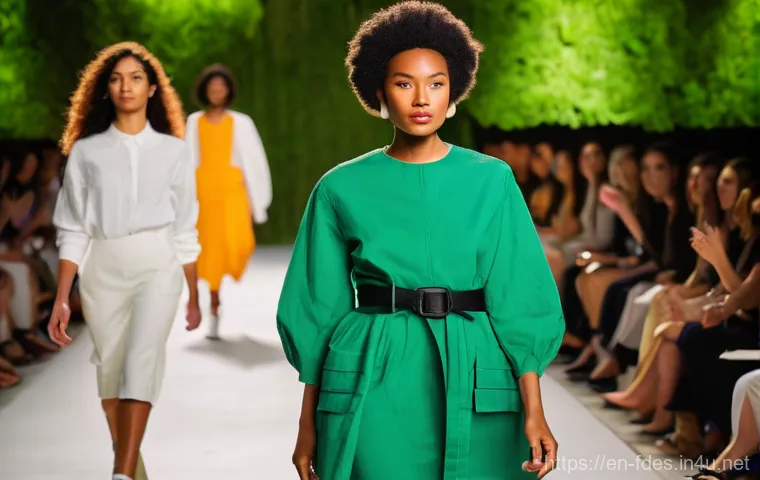
In today’s interconnected world, your digital footprint is your resume, and social media is your portfolio. As a fashion coordinator, having a strong grasp of various social media platforms isn’t just for personal branding; it’s crucial for promoting brands, events, and collections. You’ll learn the art of content creation for social media, understanding how to craft compelling narratives and visuals that resonate with target audiences. It’s about more than just posting; it’s about strategic engagement, understanding algorithms, and creating a cohesive online presence that reflects your expertise and aesthetic. I’ve found that maintaining an active and curated online presence can lead to unexpected opportunities and collaborations. Many online courses and workshops focus specifically on fashion communication in the digital age, teaching you how to leverage these tools effectively. From curating your own professional profiles to assisting brands with their digital marketing campaigns, being social media savvy is a non-negotiable skill that will amplify your reach and impact in the industry. Think of it as your digital megaphone!
The Ethical Edge: Sustainable and Responsible Fashion
The fashion landscape is undergoing a massive transformation, and honestly, it’s about time! Sustainability and ethical practices are no longer just buzzwords; they’re becoming the new standard. As a fashion coordinator, you have a unique opportunity – and a responsibility – to champion these values. Consumers are increasingly demanding transparency and accountability from brands, wanting to know where their clothes come from, who made them, and what impact they have on the planet. This shift means you need a deep understanding of ethical sourcing, sustainable materials, and environmentally responsible production processes. I truly believe that integrating these principles into your work isn’t just good for the planet; it’s good for business and builds immense trust and loyalty with your audience. It’s about making conscious choices that reflect a commitment to a better future for fashion, moving away from the fast fashion model that often prioritizes speed and low cost above all else. This involves ensuring fair wages, safe working conditions, and protecting labor rights throughout the supply chain. It’s a complex area, but incredibly rewarding to navigate and contribute to.
Navigating Sustainable Sourcing and Production
This is where things get really nitty-gritty, but also incredibly impactful. As a fashion coordinator, you’ll need to understand the entire supply chain, from the origin of raw materials to the conditions under which garments are assembled. This means looking into sustainable materials like organic cotton or recycled fibers, and understanding production practices that minimize water consumption, pollution, and waste. I’ve spent time researching and connecting with suppliers who prioritize ethical practices, and it’s a constant learning curve. The goal is to build a system where fairness, sustainability, and respect are woven into every step of the process. Brands committed to ethical sourcing often seek third-party certifications to verify their practices, and knowing about these certifications is incredibly valuable. It’s a challenging but deeply rewarding aspect of the job, knowing you’re contributing to a more responsible industry. By understanding and advocating for these practices, you can help brands not only meet regulatory requirements but also build a strong, positive brand image with consumers who care.
Championing Inclusivity and Diversity in Style
Beyond environmental sustainability, the modern fashion industry is also embracing a crucial ethical dimension: inclusivity and diversity. As a fashion coordinator, you have the power to shape narratives and visual representations, making sure that fashion is accessible, representative, and celebrated by everyone. This means consciously working with diverse models, promoting a wider range of body types, and ensuring that your coordinated projects reflect the rich tapestry of human experience. I’ve personally seen the incredible impact of campaigns that truly embrace diversity, and it’s not just about tokenism; it’s about genuine representation and creating a welcoming space for all. It’s about breaking down traditional beauty standards and celebrating individuality. This commitment to inclusivity extends to understanding and respecting cultural nuances in fashion, ensuring that styles are presented authentically and respectfully. Your role as a coordinator can actively contribute to a fashion industry that is not only beautiful but also truly empathetic and globally aware, fostering a sense of belonging and empowerment for all consumers.
Your Professional Canvas: Building Your Portfolio and Brand
So, you’ve got the education, the keen eye, the communication skills, and a commitment to ethical fashion – what next? It’s time to build your professional canvas: your portfolio and your personal brand. Think of your portfolio as your visual autobiography, showcasing your talent, skills, and unique aesthetic. It’s not just a collection of your work; it’s a carefully curated narrative that tells potential employers and collaborators who you are as a fashion professional. This is where all your hard work comes together, where you get to show off your creativity, your organizational prowess, and your understanding of the industry. Building a strong portfolio is an ongoing process, evolving with every new project and experience. And your personal brand? That’s the essence of you – your unique voice, your values, and what makes you shine in this incredibly dynamic field. Both are absolutely essential for making your mark and moving forward in your career.
Showcasing Your Work: The Essential Portfolio
Your portfolio is literally your professional calling card, so it needs to be impactful, polished, and truly represent your best work. I always advise aspiring coordinators to prioritize quality over quantity. Select your strongest designs, sketches, illustrations, and photography. Don’t just show the final product; include your mood boards, fabric samples, and technical drawings to highlight your design process and technical skills. This gives employers a deeper insight into your creative journey and problem-solving abilities. Your portfolio should have a consistent layout and design, reflecting your personal aesthetic while remaining professional and easy to navigate. Whether it’s a physical book or a beautifully designed digital portfolio, make sure it’s accessible and showcases your versatility. And please, *please* keep it updated! The fashion industry moves fast, and your portfolio should reflect your latest and greatest achievements. It’s an evolving testament to your growth and expertise, so treat it like a living document that constantly tells your story.
Internships and Real-World Experience: Learning on the Job
While coursework provides a fantastic foundation, nothing beats real-world experience. Internships are absolutely invaluable for aspiring fashion coordinators. They offer a chance to “learn the ropes” firsthand, gain practical skills, and witness the day-to-day operations of the fashion world. I’ve always stressed that internships are where you get to apply everything you’ve learned in a dynamic, professional setting. You might find yourself assisting with photo shoots, coordinating runway shows, or even helping with event planning and trend research. These experiences are crucial for building your resume and making those all-important industry connections that can lead to future opportunities. Many companies actually offer full-time positions to their interns, so consider these opportunities as extended job interviews. Don’t be afraid to be proactive – volunteer for fashion events, assist established coordinators, and seek out any opportunity that gives you exposure to the industry. Every experience, big or small, adds another valuable layer to your professional journey and helps you hone those practical skills that make all the difference.
글을 마치며
Whew! What a journey we’ve been on, dissecting the incredible path to becoming a fashion coordinator. It’s truly a demanding yet immensely rewarding career, blending the best of creativity with sharp business acumen. I hope this deep dive has sparked your passion and given you a clearer roadmap for making your mark in this vibrant industry. Remember, every trend starts somewhere, and with the right blend of education, practical experience, and an unyielding commitment to learning, you could be the one setting the next big wave. Keep exploring, keep creating, and most importantly, keep that unique style shining!
알아두면 쓸모 있는 정보
1. Never Stop Learning: The fashion industry is a constantly moving target, so make continuous learning your mantra. Follow industry publications, attend virtual workshops, and even sign up for short courses in emerging areas like AI in fashion or sustainable supply chain management. Staying curious and updated will keep you ahead of the curve. It’s like having an always-on radar for what’s next!
2. Mentorship is Gold: Actively seek out mentors within the industry. A seasoned professional can offer invaluable insights, guidance, and open doors you might not even know exist. Don’t be shy about reaching out; most successful people remember being in your shoes and are often happy to share their wisdom. I wouldn’t be where I am today without the incredible mentors who guided me.
3. Build Your Digital Footprint Thoughtfully: Your online presence is an extension of your professional brand. Curate your social media profiles, especially LinkedIn and Instagram, to showcase your aesthetic, your projects, and your professional interests. Think of it as a living, breathing portfolio that’s accessible 24/7. First impressions online matter just as much, if not more, these days!
4. Internships Are Non-Negotiable: Seriously, internships are your golden ticket. They provide real-world experience, teach you the unwritten rules of the industry, and are crucial for networking. Treat every internship like a long job interview – show up early, be eager, and always go the extra mile. Many entry-level positions are filled by former interns, so make yours count.
5. Embrace the Business Side: While fashion is glamorous, it’s also a business. Understanding financials, marketing, and logistics is just as important as knowing your haute couture from your ready-to-wear. The more you grasp the commercial aspects, the more indispensable you’ll become, truly bridging the gap between creativity and profitability.
중요 사항 정리
Becoming a successful fashion coordinator hinges on a dynamic blend of a strong academic foundation in fashion and business, a cultivated creative eye for aesthetics and trends, unparalleled communication and collaboration skills to navigate diverse teams, and a forward-thinking embrace of technology. Crucially, a commitment to ethical practices and sustainability isn’t just a bonus; it’s a fundamental requirement in today’s evolving industry. Ultimately, it’s about continually building your professional portfolio and personal brand through practical experience and relentless networking, ensuring you’re always ready to adapt and lead in this exhilarating world.
Frequently Asked Questions (FAQ) 📖
Q: What exactly does a fashion coordinator do in today’s incredibly fast-paced and innovation-driven fashion world?
A: Oh, this is such a fantastic question, and one I get asked all the time! You know, back in the day, the role of a fashion coordinator was often seen as purely behind-the-scenes – making sure samples were ready, styling shoots, maybe assisting with runway shows.
And while those foundational elements are still super important, the role has truly blossomed into something far more dynamic and influential. From what I’ve seen firsthand, a modern fashion coordinator is like the ultimate creative conductor and strategist.
They’re not just picking out gorgeous garments; they’re deeply immersed in trend forecasting, sometimes even spotting micro-trends before they hit the mainstream.
They also play a crucial role in curating collections, ensuring everything aligns with a brand’s aesthetic and target audience. With the rise of ethical sourcing and sustainability, they’re often involved in understanding the supply chain, advocating for conscious choices.
And let’s not forget the digital realm! They’re absolutely key in how clothes are presented online, whether that’s through e-commerce styling, social media content, or even exploring new frontiers like virtual fashion shows and AI-driven personalization.
It’s a gorgeous blend of artistry, business savvy, and a real knack for storytelling. Trust me, it keeps you on your toes in the most exhilarating way!
Q: What are the absolute must-have skills and essential preparatory courses I should focus on if I want to genuinely shine as a fashion coordinator?
A: This is where the rubber meets the road, and I can tell you, having the right foundation makes all the difference! From my perspective, a solid educational background in fashion merchandising, fashion marketing, or even a degree with a strong focus on textile science or product development can be incredibly beneficial.
These courses often provide a comprehensive understanding of the entire fashion ecosystem, from design to consumer. Beyond the classroom, though, I’ve found that practical skills are your golden ticket.
Think about developing a razor-sharp eye for aesthetics and detail – this is non-negotiable! Strong organizational skills are also paramount, as you’ll be juggling multiple projects, deadlines, and a myriad of details.
Communication, both written and verbal, is crucial for collaborating with designers, photographers, marketers, and clients. And don’t shy away from diving into digital tools!
Proficiency in graphic design software like Adobe Photoshop or Illustrator, and even getting familiar with 3D design platforms, can set you apart. Most importantly, foster an insatiable curiosity and a genuine passion for the industry.
That drive, coupled with continuous learning and a knack for networking, is what truly propels you forward.
Q: The fashion industry feels so competitive and ever-changing. How can I really make a unique mark and stand out as a fashion coordinator?
A: I totally get it – the landscape can feel daunting, but that’s exactly where your opportunity lies! What I’ve consistently observed in truly successful coordinators is their ability to cultivate a distinct point of view and embrace their individuality.
Instead of trying to be everything to everyone, consider specializing. Are you passionate about sustainable fashion and innovative materials? Become the go-to expert in that niche.
Do you have a phenomenal eye for avant-garde or emerging designers? Build your reputation around that. Building a compelling portfolio that showcases your unique aesthetic, your organizational prowess, and your creative vision is non-negotiable.
And don’t underestimate the power of networking – really connecting with people in the industry, sharing your passion, and learning from their experiences.
Attend industry events, volunteer for fashion shows, or even start your own passion project to gain experience and visibility. What truly makes someone shine, in my honest opinion, is their unwavering passion, their resilience, and their ability to bring a fresh perspective to the table.
Embrace your quirks, lean into what makes you unique, and never stop learning – that’s how you carve out your own unforgettable space.