Hey trendsetters! Ever feel like fashion moves at warp speed? One minute it’s all about quiet luxury, the next it’s bold maximalism, and suddenly, everyone’s rocking something completely new.
Keeping your wardrobe fresh and relevant feels like a full-time job, doesn’t it? That’s precisely why the magic of fashion coordinators and the cutting-edge science of trend forecasting models are more crucial than ever.
I’ve personally seen how these experts, now supercharged by smart AI and predictive analytics, aren’t just guessing; they’re decoding the future of style.
From helping A-listers define their signature look to pinpointing the next big accessory craze, they’re the unsung heroes of our sartorial success. If you’re curious about how they weave their style spells and predict what’s hot before anyone else, you’re in for a treat.
Let’s dive right into how these amazing professionals and their futuristic tools are shaping our wardrobes!
Unlocking Your Style Potential: More Than Just Clothes

The Personal Touch: Why a Stylist Isn’t Just for Celebrities
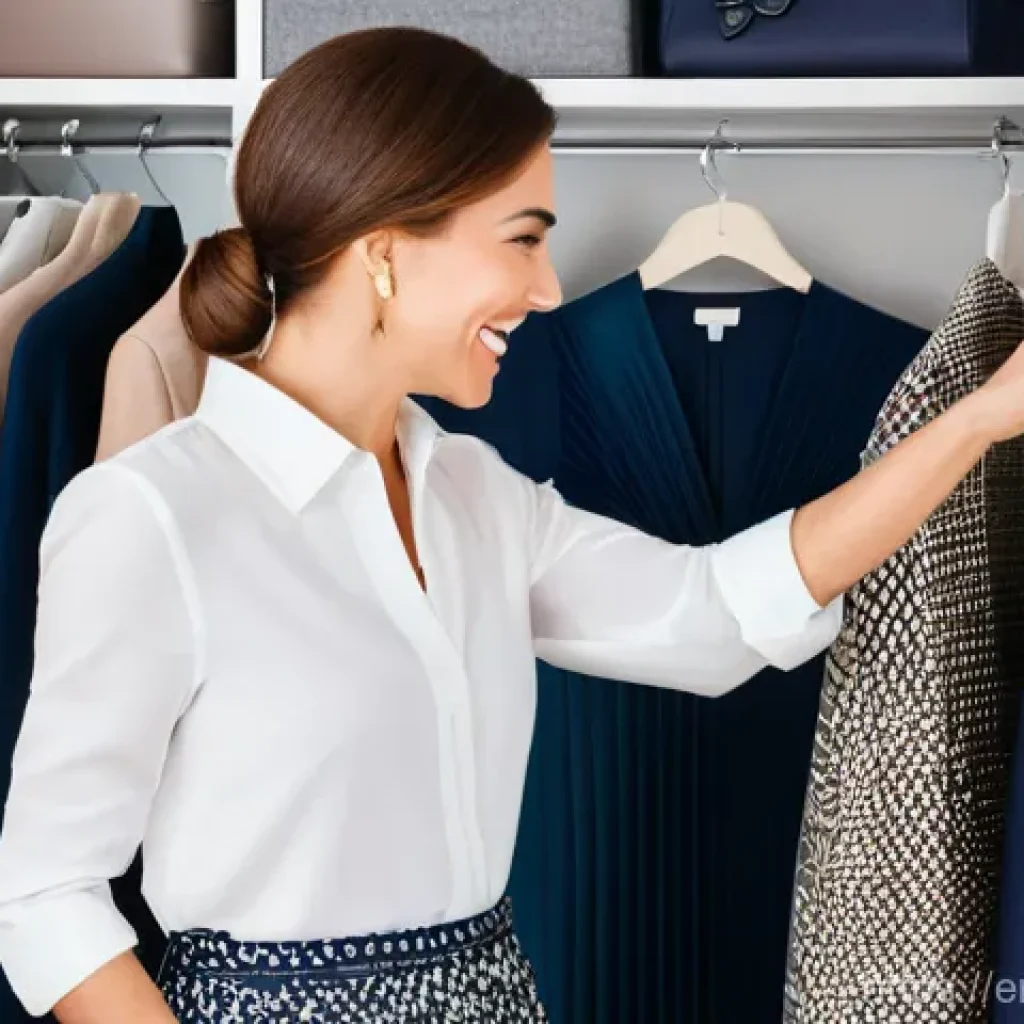
You know that feeling when you open your closet and feel like you have absolutely nothing to wear, even though it’s overflowing? I’ve been there more times than I can count! That’s where the magic of a fashion coordinator, or personal stylist, truly shines. It’s not just about picking out fancy clothes; it’s about understanding *you*. I remember one time, struggling with a public speaking event, my confidence was at an all-time low about my outfit. A friend, who happens to be a fantastic stylist, sat down with me. She didn’t just pull things off a rack; she asked about my comfort level, my personality, and what message I wanted to convey. We ended up piecing together an ensemble that felt authentically “me,” and honestly, it transformed my entire demeanor. It’s that blend of psychological understanding and sartorial savvy that makes these professionals indispensable. They see past the trends to what truly flatters your body shape, enhances your natural beauty, and, most importantly, boosts your self-esteem. They’re like a wardrobe therapist, helping you articulate your visual identity. It’s a truly empowering experience, allowing you to ditch the fashion anxiety and embrace a style that speaks volumes about who you are without you having to say a word.
From Chaos to Cohesion: Building a Wardrobe That Works For You
Think about the sheer amount of clothing waste we produce because we buy things on impulse, only to have them languish in our closets. A great stylist helps you curate a cohesive wardrobe, making sure every piece works harmoniously with others. They focus on versatility, quality over quantity, and pieces that truly reflect your lifestyle. I’ve personally seen friends transform their entire approach to shopping after just a few sessions. Instead of chasing every fleeting trend, they invest in foundational pieces and learn how to mix and match them effectively. It’s not about being boring; it’s about being strategic. Imagine having a closet where everything fits, everything can be worn in multiple ways, and everything makes you feel fantastic. That’s the dream, right? And it’s totally achievable with a bit of expert guidance. They’ll even show you how to refresh older items with new accessories or clever layering, saving you money and reducing your environmental footprint. It’s like having a secret weapon against the overwhelming fast fashion cycle, teaching you how to be stylish, smart, and sustainable all at once.
Decoding Tomorrow’s Threads: The Art and Science of Trend Prediction
Spotting the Spark: Where Do Trends Even Come From?
Ever wondered how certain colors, patterns, or silhouettes suddenly seem to be *everywhere*? It’s not just a coincidence, believe me! The journey of a trend is a fascinating one, often starting subtly and gaining momentum through various channels. Fashion trend forecasters are the detectives of the style world, constantly sifting through clues. They look beyond the obvious, observing everything from street style in major metropolitan hubs like New York and Paris to emerging artistic movements, socio-economic shifts, and even technological advancements. Think about how athleisure exploded – it wasn’t just designers deciding we should wear leggings everywhere; it was a response to our increasingly active lifestyles and a desire for comfort. These experts can pick up on these nascent signals, connecting the dots before anyone else. They’re not just looking at what’s happening now; they’re interpreting cultural currents, understanding consumer psychology, and anticipating where society is headed. It’s a blend of intuition, extensive knowledge of fashion history, and a keen eye for human behavior. I’ve always been amazed at how they can take a seemingly unrelated societal shift and predict its sartorial impact.
Beyond the Crystal Ball: Data-Driven Style Prophecies
Gone are the days when trend forecasting was purely a gut feeling or the dictate of a few influential designers. While artistic vision is still crucial, the game has changed dramatically with the advent of advanced analytics and artificial intelligence. Today, trend forecasting models are sophisticated powerhouses, crunching vast amounts of data. They analyze everything from social media mentions and influencer engagement to e-commerce sales data, search queries, and even news headlines. Imagine an AI sifting through millions of images on Instagram, identifying emerging color palettes or garment details before they even hit mainstream fashion magazines. This allows for incredibly precise predictions, helping brands make smarter decisions about what to produce, in what quantities, and when. For us consumers, it means trends might feel more tailored and responsive to our actual desires. I’ve heard stories from brands who used these models to identify a niche but rapidly growing demand for specific types of loungewear months before competitors caught on, giving them a significant market advantage. It’s a fascinating blend of human creativity and machine intelligence, shaping our closets in ways we’re only just beginning to understand. It’s like having a super-powered fashion oracle!
The Future is Now: AI’s Role in Personalizing Your Closet
Smart Styling: Algorithms That Understand Your Vibe
We’ve all probably dabbled with online quizzes to “find our style,” right? But imagine if your styling assistant wasn’t just a fun diversion but a genuinely intelligent entity learning from your every interaction. That’s the promise of AI in personal styling. These sophisticated algorithms aren’t just looking at what you *say* you like; they’re analyzing your past purchases, how long you linger on certain items, what outfits you save, and even what you click on after viewing a particular piece. They can understand subtle nuances like your preferred fabric textures, desired fit, and even the “mood” of an outfit you prefer. It’s like having a personal shopper who never sleeps and remembers every single detail about your preferences, continuously refining their recommendations based on your evolving taste. I’ve been experimenting with a few styling apps that leverage AI, and honestly, the recommendations have become uncannily accurate over time. It saves so much time scrolling through endless options, and I’ve discovered brands and styles I never would have considered on my own. It feels less like a computer suggesting clothes and more like a really good friend who just *gets* your aesthetic.
Beyond Prediction: Proactive Wardrobe Management with AI
But AI’s role extends far beyond just predicting what you might like to buy next. Imagine an AI that not only suggests new pieces but also helps you make the most of what you already own. Some cutting-edge tools are now capable of analyzing your existing wardrobe – yes, you’d probably upload photos of your clothes – and suggesting new outfit combinations, identifying gaps, or even recommending when to retire an item. Think about never having to ask “What should I wear?” again because your AI assistant has already curated five perfect looks for the week based on your calendar and local weather. It can even suggest items to purchase that would complete several outfits using your current wardrobe. This level of proactive wardrobe management can save you money, reduce decision fatigue, and help you become a much more conscious consumer. I often struggle with putting together outfits for specific occasions, and the idea of an AI helping me maximize my current collection, rather than just pushing new purchases, is incredibly appealing. It’s about building a truly sustainable and personally fulfilling relationship with your clothes, with a little help from our silicon friends.
The Seamless Integration: Where Style Experts Meet Big Data
Bridging the Gap: Human Intuition Meets Algorithmic Precision
It’s easy to think of fashion coordinators and AI trend models as two separate entities, but where the real magic happens is in their seamless integration. Imagine a fashion coordinator, armed not just with their incredible eye and experience, but also with real-time data from an AI forecasting model. This means they can offer clients not only a look that’s aesthetically pleasing and personal but also one that’s subtly ahead of the curve, relevant to current sentiments, and strategically smart. The human element provides the irreplaceable understanding of individual preferences, body language, and emotional connection to clothing, while the AI provides the broad, objective data on emerging patterns and consumer behavior. I recently chatted with a stylist who told me she uses data insights to inform her brand selections for clients, ensuring she’s picking pieces that are not only stylish but also likely to hold their value or align with broader market trends. It’s like having a superhuman assistant, allowing them to provide a level of service that’s both deeply personal and universally informed. This synergy creates a powerful force, giving us, the consumers, the best of both worlds.
Optimizing for Impact: How This Benefits Brands and Consumers
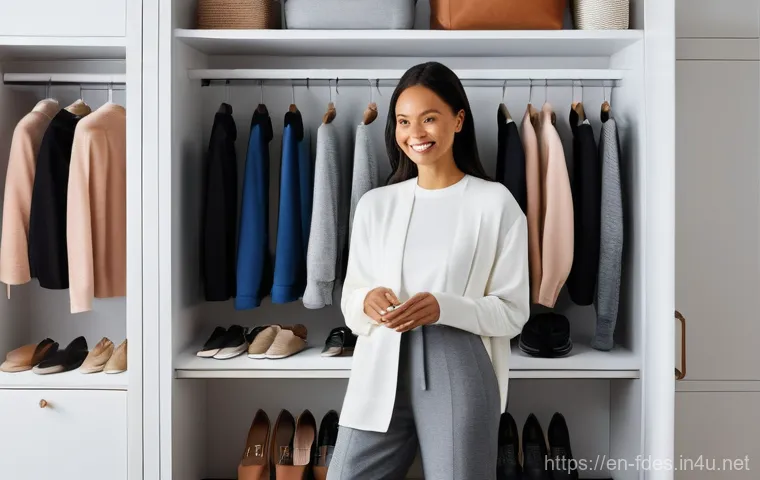
The collaboration between fashion experts and predictive analytics isn’t just a cool concept; it has tangible benefits for both brands and consumers, influencing everything from design decisions to how we shop. For brands, this means significantly reduced waste from overproduction of unwanted items, more targeted marketing campaigns, and a better understanding of future consumer demand. They can be more agile and responsive, creating collections that truly resonate. For us, the consumers, it translates into a more satisfying shopping experience. We’re more likely to find exactly what we’re looking for, often discovering items that feel perfectly suited to our taste before we even knew we wanted them. It also means fewer fashion faux pas, as the trends we see are more thoughtfully curated and globally informed. The result is a more efficient, less wasteful, and ultimately more enjoyable fashion ecosystem. When I see a brand’s new collection and it just *clicks* with what I’ve been wanting, I know there’s likely some clever combination of human insight and data science behind it. It’s making fashion smarter, more sustainable, and way more exciting.
Navigating the Style Cyclone: Your Personal Guide to Staying Chic
Mastering the Art of Adaptation: Making Trends Work For You
Let’s be real, blindly following every single trend can be exhausting and expensive. One minute it’s micro-minis, the next it’s maxi skirts, and your head starts spinning! This is where the wisdom gained from fashion coordinators and trend forecasts truly empowers us. It’s not about becoming a fashion victim, but rather understanding *how* to adapt current trends to your personal style. For example, if a bold color like electric blue is trending, you don’t have to buy a head-to-toe outfit. Maybe it’s a statement accessory, a pop of color in a scarf, or even a chic nail polish. I personally love observing the overarching themes of a season – like a focus on sustainable materials or a return to classic tailoring – and then finding ways to integrate those ideas into my existing wardrobe. It’s about being discerning and strategic, rather than impulsive. This approach not only keeps your look fresh and modern but also ensures your wardrobe remains authentic to you. It’s about being informed, not dictated to, and using the insights of the fashion world to enhance your unique expression. That’s true style confidence!
Building a Timeless Foundation: Investing Wisely in Your Wardrobe
One of the most valuable lessons I’ve learned, thanks to the insights gleaned from these style gurus and trend reports, is the importance of a timeless foundation. While trends come and go, certain pieces remain eternally chic. Think a well-tailored blazer, a classic trench coat, a versatile pair of jeans, or a simple white shirt. These are the workhorses of your closet, and investing in high-quality versions of these items is always a smart move. Fashion coordinators often emphasize this, helping clients identify their core style and build a wardrobe around these enduring pieces. Then, you can layer in trend-driven accessories or seasonal pops of color to keep things current without having to overhaul your entire closet every few months. This strategy not only saves you money in the long run but also cultivates a more sustainable approach to fashion. It feels so good to know that your wardrobe isn’t just a collection of fleeting fads, but a curated selection of items that will serve you well for years to come. It’s about being smart with your fashion choices, and that’s a trend that never goes out of style.
The Invisible Architects: Shaping Our Future of Style
Behind the Glamour: The Everyday Impact of Fashion Professionals
When we think of fashion, our minds often jump to runways, celebrities, and glossy magazine covers. But behind all that glamour are countless dedicated professionals, including fashion coordinators and trend forecasters, whose work subtly influences our daily lives. They are the invisible architects shaping the very fabric of our culture. Think about the uniforms of your favorite coffee shop, the colors of the latest home decor trends, or even the design of the latest tech gadgets – elements of fashion and trend forecasting touch almost every industry. These experts don’t just dress people; they contribute to the visual language of our world, dictating aesthetics, influencing consumer psychology, and even impacting manufacturing processes. Their decisions, often informed by meticulous research and cutting-edge data, ripple outwards, affecting everything from textile mills to retail strategies. I’ve always found it fascinating how a prediction about a color palette for a season can eventually show up in everything from clothing to kitchen appliances. It truly highlights the pervasive and powerful influence of these often-unseen roles in the creative industries.
Empowering Your Choices: From Trend Awareness to Personal Expression
Ultimately, the deeper understanding of how fashion coordinators and trend forecasting models operate isn’t just about admiring their expertise; it’s about empowering *us* as consumers. When you grasp the forces at play – the blend of human creativity, cultural shifts, and data science – you become a more informed and confident participant in the world of style. You’re better equipped to discern what trends genuinely resonate with you, what pieces are worth investing in, and how to cultivate a personal aesthetic that is both current and authentically yours. It moves you from passively consuming fashion to actively shaping your sartorial narrative. My hope is that by peeling back the curtain on these fascinating roles, you feel more in control of your wardrobe choices, less swayed by fleeting fads, and more excited about discovering and expressing your unique style. It’s about transforming from someone who just *wears* clothes to someone who *owns* their style, making conscious choices that reflect who they are. That, my friends, is true fashion freedom and what I really strive for.
| Aspect | Traditional Fashion Coordination (Human-led) | AI-Enhanced Trend & Style Coordination |
|---|---|---|
| Primary Data Source | Experience, intuition, industry contacts, fashion shows, street style observation, cultural shifts. | Big data analytics (social media, e-commerce, search trends), image recognition, machine learning algorithms. |
| Approach | Subjective, relationship-based, artistic interpretation, human psychological understanding. | Objective, data-driven, predictive modeling, pattern recognition across vast datasets. |
| Strengths | Deep personal connection, nuanced understanding of individual needs, creative vision, emotional intelligence. | Speed, scalability, identification of subtle emerging patterns, unbiased recommendations (data-dependent). |
| Limitations | Limited by human capacity (time, data volume), potential for personal bias, slower reaction to micro-trends. | Lacks emotional intelligence, context, and the “human touch” without expert oversight; can perpetuate biases in data. |
| Best Used For | Personal styling, brand image consulting, bespoke fashion, high-level creative direction. | Mass market trend forecasting, inventory optimization, personalized e-commerce recommendations, identifying niche demands. |
| Future Outlook | Human expertise augmented by AI tools for enhanced efficiency and insight. | AI providing foundational data, with human experts adding creativity, context, and personal touch. |
Closing Thoughts
Whew, we’ve covered quite a bit, haven’t we? From the invaluable personal touch of a dedicated stylist to the incredible, data-driven insights offered by AI, it’s clear that the world of style is evolving in truly exciting ways. My hope is that this deep dive has given you a fresh perspective, not just on what to wear, but on *how* to approach your wardrobe with more confidence and purpose. Remember, fashion should always be a tool for self-expression, a way to tell your unique story without saying a word. Embrace the guidance available, but always let your authentic self shine through. It’s truly liberating to navigate the style landscape with both a keen eye and a smart strategy, making every outfit choice feel empowered and joyful.
Useful Information to Know
1. Defining Your Signature Style: Don’t feel pressured to fit into a mold. Your signature style is that unique blend of preferences, colors, and silhouettes that makes you feel amazing and truly represents who you are. Start by observing what you naturally gravitate towards, whether it’s specific textures, a particular color palette, or certain garment shapes. Look at photos of yourself where you felt fantastic – what were you wearing? What made you comfortable and confident? These are your style anchors. Consider creating a mood board, either digitally on Pinterest or physically with magazine clippings, to visualize your aesthetic. Think about your lifestyle, your values, and the message you want your clothing to convey. By focusing on authenticity rather than fleeting fads, you’ll build a wardrobe that genuinely serves you and feels effortlessly “you.” It’s an ongoing journey of self-discovery, and every choice helps refine your sartorial voice.
2. Harnessing AI for Wardrobe Wisdom: Seriously, the future is now when it comes to managing your closet! Many apps today leverage AI to help you catalog your clothes, suggest new outfit combinations, and even identify gaps in your wardrobe. I’ve found a few that are brilliant for getting a fresh perspective on items I already own, making me feel like I have a brand new wardrobe without buying a thing. Some even factor in weather, event types, and your personal calendar to suggest daily looks. It’s like having a fashion brain that never forgets what you own and is constantly brainstorming fresh ways to wear it. Experiment with these tools; they can be game-changers for saving time, reducing decision fatigue, and ensuring you get the most out of every single piece you own. Just remember to give them good data, and they’ll give you great insights!
3. Embracing Sustainable Fashion Habits: Our planet (and our wallets!) desperately needs us to be more conscious consumers. One of the best “hacks” I’ve learned is to prioritize quality over quantity. Investing in well-made pieces that will last for years, rather than buying into fast fashion trends, is a major step. Think about fabrics – natural fibers like cotton, linen, and wool tend to be more durable and environmentally friendly. Also, explore the booming world of secondhand shopping and clothing swaps. Vintage finds can be incredibly unique and stylish, and extending the life of a garment is always a win. Repairing clothes, learning basic alterations, and caring for your items properly also make a huge difference. Every small choice towards sustainability contributes to a larger, more responsible fashion ecosystem, and trust me, it feels good to dress with a clear conscience.
4. The Transformative Power of Accessories: Sometimes, all it takes to completely refresh an outfit is the right accessory. Seriously, don’t underestimate the magic of a statement necklace, a vibrant scarf, a chic belt, or a new pair of shoes. I often feel like I’m wearing a completely different outfit just by swapping out my earrings or adding a bold handbag. This is a fantastic and budget-friendly way to incorporate trends without committing to an entire new ensemble. A classic dress can be dressed up or down, made edgy or elegant, simply by changing its accompanying elements. Experiment with different combinations – you might be surprised at how versatile your existing wardrobe truly is. It’s all about playing, having fun, and letting your creativity flow, using accessories as your secret style weapons.
5. Smart Trend Integration, Not Blind Following: It’s tempting to jump on every trend you see, but a truly stylish person understands how to integrate trends strategically. Instead of a head-to-toe replication, consider how you can weave subtle elements of a trend into your current aesthetic. Is a certain color trending? Maybe try it in a nail polish or a small bag. Are oversized blazers everywhere? Perhaps you already have one, or you can find a slightly less exaggerated version that still feels current. The goal is to look fresh and informed, not like you’re trying too hard. By understanding the overarching themes and adapting them to your personal style, you maintain your individuality while staying relevant. Think of trends as suggestions, not commandments, and always prioritize what makes you feel fantastic.
Key Takeaways
Ultimately, navigating the world of personal style and fashion trends is about empowerment and conscious choice. We’ve seen how the irreplaceable human touch of a fashion coordinator blends with the unparalleled data insights of AI to create a powerful synergy, making style more accessible, personalized, and sustainable than ever before. It’s about building confidence, understanding what truly flatters you, and making smart investments in your wardrobe. By embracing these evolving tools and perspectives, you’re not just wearing clothes; you’re crafting a narrative that truly reflects your best self, effortlessly and authentically.
Frequently Asked Questions (FAQ) 📖
Q: What exactly does a “fashion coordinator” do, and how do they help shape someone’s personal style?
A: Oh, this is a question I get asked all the time, and it’s a brilliant one! When I first thought about “fashion coordinator,” I pictured someone just picking out clothes for a photoshoot.
But from what I’ve personally seen and learned from working with some incredible stylists, it’s so much more intricate and insightful than that. A fashion coordinator is essentially your personal style architect.
They don’t just dress you; they truly understand you. They dive deep into your lifestyle, your personality, your career goals, and even what makes you feel uncomfortable in clothes.
Think about it – they’re not just looking at what’s “in” right now on the runway. Instead, they’re meticulously curating a wardrobe that truly reflects who you are and who you aspire to be.
I remember feeling completely lost after a big career shift; my old clothes just didn’t “fit” my new professional image. A coordinator I met virtually (yes, they do that now!) helped me redefine my aesthetic, not by throwing out everything, but by strategically adding pieces that felt like an elevated, authentic me.
They’re like personal brand strategists for your closet, making sure every outfit tells your unique story. They’re absolutely brilliant at spotting pieces that work perfectly for your body type, your unique color palette, and your daily life, ensuring everything has longevity and versatility.
It’s truly an investment in your confidence and how you present yourself to the world!
Q: How exactly do those “cutting-edge science” and “smart
A: I” trend forecasting models predict what’s going to be popular next? A2: This is where things get super fascinating and a little bit sci-fi, but in the most exciting way!
I used to think trend forecasting was just a group of stylish people with a crystal ball, but boy, was I wrong. These days, it’s powered by some seriously sophisticated technology.
Imagine massive amounts of data – everything from social media hashtags, influencer posts, and global runway shows to street style blogs, sales figures, and even broader cultural shifts and economic indicators – all being crunched by advanced AI algorithms.
These algorithms aren’t just looking at what’s currently popular; they’re identifying subtle patterns, emerging sentiments, and even predicting shifts in consumer behavior before they become mainstream.
They can spot a particular color palette gaining traction in obscure subcultures, or a silhouette popping up repeatedly in independent designer collections, and then project how these tiny sparks might ignite into a global phenomenon.
I’ve personally been amazed at how accurate some of these predictions turn out to be. A few years ago, when “cottagecore” felt like a niche internet aesthetic, these models were already signaling its massive potential.
It’s not just guessing anymore; it’s an incredibly intelligent analysis of countless cultural currents, giving brands a huge head start in designing and producing what we’ll all be craving next season.
It truly demystifies the whole “how did they know?” question when a trend hits big.
Q: As someone who isn’t a celebrity, how can I use these insights from fashion coordinators and trend forecasting to improve my own everyday style?
A: That’s the million-dollar question, isn’t it? Because let’s be real, most of us don’t have a personal coordinator on speed dial, nor do we have access to high-tech AI forecasting software.
But here’s the absolutely fantastic news: you can absolutely harness the principles they use! First, for the “fashion coordinator” aspect, think of yourself as your own style strategist.
Take some dedicated time to truly understand your personal style identity. What colors make you feel vibrant and confident? What silhouettes flatter your body shape the most?
What are your actual lifestyle needs – do you need comfort for a busy commute, or polish for client meetings? I’ve found that doing a quarterly “wardrobe audit” – not just decluttering, but really assessing what pieces work for you and what don’t – is incredibly powerful.
Ask yourself: “Does this piece truly align with my current goals and how I want to feel?” For the “trend forecasting” part, you don’t need AI! Instead, become a smart, active observer.
Follow a diverse range of fashion blogs, Instagram accounts from people whose style you admire, and even pay attention to what people are wearing in different cities if you travel.
Notice recurring themes in color, fabric, texture, and accessories. But here’s the crucial part: don’t blindly follow everything. Filter these trends through your personal style lens.
If chunky loafers are everywhere but you hate how they feel on your feet, skip them! Maybe try a subtly updated ballet flat or a sleek ankle boot instead.
The goal isn’t to be trendy head-to-toe, but to strategically incorporate elements that update your look and make you feel current, without sacrificing your authentic self.
It’s about being informed, not dictated to. I always encourage my friends to pick just one or two trending items per season that truly excite them and seamlessly integrate them into their existing wardrobe.
It keeps things fresh without breaking the bank or feeling like you’re wearing a costume.