Have you ever stared blankly at your overflowing closet, feeling like you have absolutely nothing to wear? Or perhaps you’ve admired someone’s outfit and thought, “How do they always look so put-together?” Trust me, you’re not alone!
It’s a common dilemma in our fast-paced world, where trends come and go in a blink, and sustainable fashion is more important than ever. What if I told you that the secret to effortlessly stylish outfits, the kind that turn heads and make you feel incredible, isn’t about having more clothes, but about understanding a few key principles?
I’ve spent countless hours navigating the ever-evolving landscape of personal style, and what I’ve discovered is that true fashion coordination mastery comes down to recognizing and applying specific patterns.
We’re talking about the underlying blueprints that make outfits sing, whether you’re curating a minimalist capsule wardrobe or experimenting with the latest high-street looks.
From understanding color theory to mastering proportion and texture, these aren’t just rigid rules, but powerful tools that unlock your unique fashion potential.
It’s like having a secret weapon in your style arsenal, allowing you to build outfits that resonate with your personality and the moment, without feeling overwhelmed by choices.
I’m excited to share some game-changing insights that will transform your approach to dressing, helping you create a wardrobe that works smarter, not harder.
Let’s dive in and explore exactly what you need to know to decode these fascinating fashion coordinator patterns!
Decoding the Color Wheel: Your Secret Style Weapon
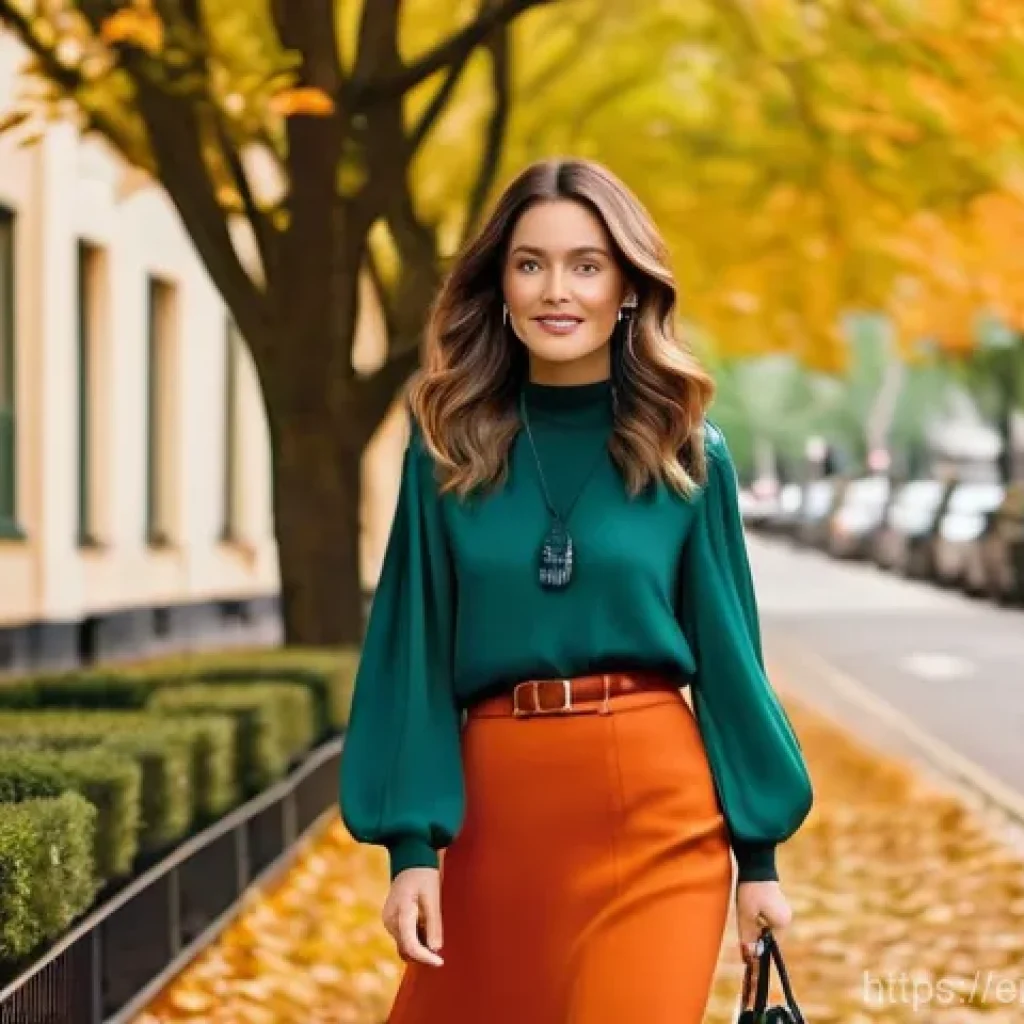
You know that feeling when you see someone wearing an outfit and every single color just *pops* in perfect harmony? It’s not just luck, my friends; it’s the magic of understanding color theory. I remember back in my early twenties, I used to just throw on whatever I thought looked “good enough” together, usually sticking to neutrals because I was terrified of making a color mistake. Boy, was I missing out! Once I started diving into the actual principles—things like complementary, analogous, and monochromatic palettes—it was like a whole new world opened up. Suddenly, my closet, which felt so limited before, had endless possibilities. I discovered that a vibrant coral top paired with a subtle olive green skirt wasn’t just wearable, it was a statement. And don’t even get me started on how a pop of unexpected color in an accessory can elevate an entire look from “nice” to “wow.” It’s truly about learning to play with contrast and cohesion, finding those perfect visual conversations between hues. This isn’t about rigid rules, but about developing an intuitive eye, much like a painter learns to mix their paints. You’ll begin to see outfits not just as separate pieces, but as a canvas where every color contributes to the overall masterpiece. I’ve personally found that experimenting with different shades and tones, even within the same color family, can drastically change the mood of an outfit. It’s exhilarating to see how a rich jewel-toned emerald can transform a look compared to a softer mint green, for example. These nuances are what make personal style so exciting and endlessly creative. Trust me, once you start consciously thinking about the colors you combine, your wardrobe will thank you, and so will your confidence!
Embracing Complementary and Analogous Palettes
Diving deeper into color, two of my absolute favorite approaches are complementary and analogous palettes. Complementary colors, those directly opposite each other on the color wheel (think blue and orange, red and green, yellow and purple), create this incredible vibrant contrast that’s just electrifying. I used to think it was too bold for me, but I found that incorporating a complementary color as an accent, like a scarf or a handbag, can make an outfit sing without feeling overwhelming. For instance, a classic navy dress becomes instantly more chic with a bright orange clutch. It’s all about balance, and you learn what works for your personal comfort level. On the flip side, analogous colors – those next to each other on the color wheel, like blue, blue-green, and green – offer a much softer, harmonious flow. This is perfect for when you want a sophisticated and cohesive look that feels effortlessly put together. I often gravitate towards an analogous scheme for workwear, pairing different shades of blues and greens for a professional yet stylish vibe. It’s like the colors are gently whispering to each other instead of shouting, creating an elegant visual story. Experimenting with both approaches has truly broadened my styling horizons and given me the confidence to step outside my comfort zone, resulting in some of my most cherished outfits. You’ll be amazed at how a little color knowledge can dramatically improve your daily style game.
Monochromatic Magic: Tones and Textures
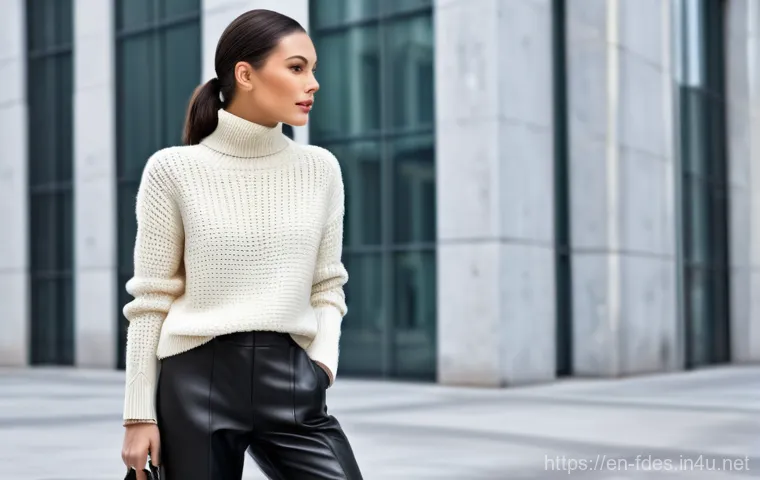
Then there’s monochromatic dressing – oh, how I adore it! This isn’t just about wearing all black or all white, though those are undeniably chic. It’s about taking one color and playing with all its various shades, tints, and tones. Think deep burgundy, ruby red, and a soft blush pink all in one outfit. The real magic happens when you introduce different textures into a monochromatic look. This is where it goes from good to absolutely *stunning*. Imagine a chunky knit sweater in a cream hue, layered over a silky ivory camisole, with tailored ecru trousers. The subtle differences in the fabric – the softness of the knit, the sheen of the silk, the crispness of the wool – create incredible depth and interest, preventing the outfit from falling flat. I’ve personally found that a monochromatic scheme is one of the easiest ways to look instantly polished and sophisticated, almost like you’ve walked straight off a runway. It also makes getting dressed incredibly easy because you’re not worrying about color clashes; instead, you’re focusing on creating visual intrigue through material variation. Don’t be afraid to mix leather with cotton, or satin with denim within the same color story – the more textural play, the richer the outcome! It’s an underrated secret to looking effortlessly chic and put-together. This approach truly allows your individual pieces to shine while still creating a cohesive and intentional ensemble. It’s a trick I rely on often when I want to look sharp with minimal effort.
Mastering Proportions: The Art of Visual Balance
Okay, let’s talk about something that can instantly elevate or, if not quite right, derail an entire outfit: proportions. This isn’t just about whether clothes fit; it’s about how the different lengths and volumes of your garments interact to create an appealing silhouette. I spent years buying clothes that looked great on the hanger but just felt *off* on me, and it almost always came down to proportion. Once I started understanding concepts like the “rule of thirds” or balancing oversized pieces with more fitted ones, it was a total game-changer. For example, if I’m wearing a voluminous, flowy top, I’ll often pair it with slim-fit trousers or a pencil skirt to create a pleasing contrast and define my waist. Conversely, a fitted top looks fantastic with wide-leg pants or a full skirt. It’s all about creating an interesting line that guides the eye and flatters your figure. It’s not about hiding anything, but about highlighting your best features and creating a sense of balance. I’ve found that playing with layers also offers fantastic opportunities to adjust proportions. A long cardigan over a shorter dress can completely change the visual line, for instance. Don’t be afraid to experiment with different hemlines and jacket lengths to see how they impact your overall look. Trust me, once you nail this, your outfits will look effortlessly chic and intentionally styled, rather than just thrown together. This knowledge has saved me from countless fashion dilemmas and helped me build a wardrobe that genuinely works for my body type.
The Rule of Thirds in Styling
The “rule of thirds” isn’t just for photography; it’s an incredible tool for fashion, too! Imagine dividing your body into three horizontal sections. The goal is to make sure your outfit breaks at either the one-third or two-thirds mark, rather than directly in the middle. Why? Because a 50/50 split can often make an outfit look stagnant and less dynamic. For example, if you wear a top that ends at your waist and pants that start there, you’ve created a 50/50 split that can sometimes shorten the look of your legs or torso. But if your top extends to, say, the top third of your thighs, or your pants are high-waisted, creating a longer leg line, you instantly achieve a more aesthetically pleasing proportion. I personally love to use this by tucking in tops to create a high waistline, making my legs look miles long, or by opting for cropped jackets that hit at just the right spot to define my upper body. It’s a subtle tweak, but the visual impact is huge. This principle truly transformed the way I look at my outfits, making me realize why some combinations just *felt* better than others. It’s about creating an interesting flow and breaking up your silhouette in a way that feels organic and stylish, rather than stiff or abrupt.
Balancing Volume and Fit
One of the most powerful proportional tricks I’ve learned is the art of balancing volume and fit. This is crucial for avoiding an outfit that looks either too boxy or too tight. The general guideline I live by is: if one part of your outfit is oversized or voluminous, the other part should be more fitted. For instance, if I’m rocking a super baggy, cozy sweater (which I adore!), I’ll pair it with slim-fit jeans or a sleek midi skirt. This creates a pleasing contrast and prevents me from looking like I’m drowning in fabric. Conversely, if I’m wearing a tight, figure-hugging top, I might opt for wide-leg trousers or a flowing A-line skirt to add some movement and balance to the lower half. I’ve found that failing to do this often results in outfits that lack structure or just don’t feel quite “right.” It’s about creating a harmonious push and pull, where each piece complements the other. This balancing act isn’t just about aesthetics; it’s also about comfort and confidence. When your clothes are balanced, you feel more at ease and present yourself better. It takes a bit of practice to develop an eye for it, but once you start consciously thinking about the interplay of volume, it becomes second nature and unlocks a whole new level of styling sophistication.
Texture Talk: Adding Depth and Intrigue to Your Looks
If you really want to make your outfits sing, don’t just think about color and shape—start thinking about texture! This is seriously one of the most underrated elements of fashion, but it’s pure gold when it comes to adding depth, interest, and a luxurious feel to your looks. I used to just buy clothes based on color and style, completely overlooking how the fabric felt or looked. Big mistake! Once I started experimenting with mixing different textures, my outfits went from looking flat to feeling incredibly rich and dynamic. Imagine pairing a soft, chunky knit sweater with a sleek, structured leather skirt, or a delicate silk blouse with rugged denim jeans. The contrast between the materials creates such a fascinating visual and tactile experience. It’s like building layers of sensory appeal. This is especially impactful in monochromatic outfits, where the lack of color variation means texture becomes the star of the show, preventing the look from becoming boring. I’ve found that even subtle textural differences, like matte cotton versus glossy satin, can make a huge impact. It’s about creating a conversation between the different fabrics, making your outfit feel more thoughtful and expensive, even if the individual pieces weren’t. Don’t be afraid to combine unexpected materials; sometimes the most interesting combinations come from breaking the “rules.” This approach has completely transformed my ability to create sophisticated and visually compelling ensembles.
Playing with Contrast: Smooth vs. Rough, Matte vs. Shine
The key to mastering texture is playing with contrast. Think about it: a smooth, flowing silk top looks even more luxurious when paired with a rough, textured tweed blazer. Or a glossy patent leather boot instantly adds a cool edge to a soft, matte wool dress. These contrasts are what make an outfit visually exciting and prevent it from looking one-dimensional. I often experiment with pairing a delicate, almost sheer fabric with something robust and grounded, like chiffon with heavy corduroy. It’s these unexpected juxtapositions that make people do a double-take – in a good way! Another fantastic contrast is matte versus shine. A sequined top, for example, can feel really special when toned down with some matte denim, or a matte jersey dress can be elevated with some metallic accessories. I’ve noticed that when I consciously mix these contrasting textures, my outfits feel more intentional and curated. It’s like adding different spices to a dish; each texture brings its own unique flavor, creating a more complex and satisfying result. This simple trick has become a cornerstone of my personal styling philosophy, helping me create looks that are not only stylish but also incredibly engaging to the eye.
Building Depth with Layers of Texture
Layering isn’t just for warmth; it’s a phenomenal way to build textural depth and interest into your outfits. Think about a simple base, like a cotton tee. Now, imagine layering a cashmere cardigan over it, and then adding a faux fur vest on top. Suddenly, you have three distinct textures – the crispness of cotton, the softness of cashmere, and the plushness of faux fur – all working together to create a rich, multi-dimensional look. This is where your outfit goes from flat to fabulous. I love to do this with scarfs, too; a silk scarf draped over a wool coat adds an instant touch of elegance and an additional layer of tactile appeal. Even mixing different denim washes and weights, like a stiff denim jacket over a soft chambray shirt, counts as textural layering. The more varied the textures, the more dynamic and visually compelling your outfit becomes. It’s like building an architectural masterpiece with fabric. I’ve found that even in warmer weather, you can still play with this by using lightweight, sheer fabrics over opaque ones, or mixing different weaves like linen and crochet. This approach makes your wardrobe incredibly versatile and allows you to create countless unique combinations, proving that style is truly in the details. It’s a trick that consistently earns compliments and makes me feel incredibly well-dressed.
Accessorizing Like a Pro: The Finishing Touches
Accessories are not just afterthoughts; they are the exclamation points of your outfits! This is where you can truly express your personality, elevate a simple look, and tie everything together. I used to be so focused on the main garments that I’d often overlook the power of a well-chosen accessory. Big mistake! A perfectly placed necklace, a statement belt, or the right handbag can transform an entire ensemble from ordinary to extraordinary. Think about how a chunky gold chain can instantly add a touch of edgy sophistication to a basic white tee and jeans, or how a vibrant silk scarf can inject a pop of color and elegance into a neutral dress. It’s all about those thoughtful additions that reflect your individual style and enhance the story your outfit is telling. I’ve personally found that having a curated collection of versatile accessories, rather than a mountain of random pieces, makes a huge difference. Investing in a few quality belts, some interesting jewelry, and versatile bags has dramatically improved my ability to create polished and intentional looks. Don’t underestimate the power of a great pair of shoes or a chic pair of sunglasses either; they truly complete the picture. This is where your creativity can really shine, turning everyday outfits into something truly special and uniquely *you*.
The Impact of Statement Pieces
Sometimes, all an outfit needs is one incredible statement piece to make it unforgettable. This could be anything from an oversized necklace that demands attention, to a bold, brightly colored handbag, or even a pair of intricately designed earrings. The trick is to let that one piece be the star of the show and keep the rest of your outfit relatively simple. For example, if I’m wearing a simple black dress, I might add a chunky, embellished belt or a pair of vibrant, architectural heels. This allows the statement piece to really pop and elevates the entire look without making it feel overdone. I’ve learned that trying to incorporate too many statement pieces at once can lead to a chaotic and overwhelming aesthetic. It’s about careful curation and strategic placement. My go-to strategy is often a statement earring with a sleek updo, or a unique handbag with a minimalist ensemble. It’s incredible how much a single, powerful accessory can convey about your personality and style. Don’t be afraid to invest in a few high-quality, eye-catching pieces that truly resonate with you; they’ll serve as reliable game-changers in your wardrobe for years to come and make getting dressed an absolute joy.
Practicality Meets Style: Bags and Shoes
When it comes to bags and shoes, it’s not just about looking good; it’s also about practicality, and finding that perfect balance is key. A beautiful bag that doesn’t hold your essentials or shoes that pinch your toes all day are simply not worth it, no matter how stylish they look. I’ve definitely made that mistake a few too many times in my younger years! Now, I focus on investing in versatile pieces that are both comfortable and chic. For bags, I look for styles that can transition from day to night, or that offer different carrying options. A classic cross-body bag in a neutral tone is a workhorse in my wardrobe, but I also love a structured tote for work or a fun clutch for evenings. Similarly with shoes, while I adore a stunning pair of heels, I also prioritize stylish flats, fashionable sneakers, and comfortable boots that I can genuinely wear for hours. Mixing high-fashion pieces with more casual, comfortable ones is a trick I use often. Think about how a sleek pair of sneakers can make a tailored suit feel fresh and modern, or how a classic loafer instantly elevates jeans and a t-shirt. It’s about making smart choices that enhance your life as well as your style, allowing you to move confidently and comfortably throughout your day, knowing you look amazing.
Building a Capsule Wardrobe That Works For YOU
Let’s be real, who hasn’t dreamed of opening their closet and seeing only perfectly coordinated, beloved pieces? That’s the magic of a well-curated capsule wardrobe, and it’s something I’ve passionately embraced. It’s not about deprivation or minimalism for minimalism’s sake; it’s about intentionality and creating a wardrobe where every item sparks joy and works effortlessly with everything else. I used to have a closet overflowing with clothes, yet I always felt like I had nothing to wear. Sound familiar? It was a constant cycle of impulse buys, trends that didn’t suit me, and pieces that just sat there collecting dust. The turning point for me was realizing that true style isn’t about quantity, but quality and versatility. Building my capsule started with a ruthless declutter – a liberating experience, actually! I focused on identifying my true personal style, the colors that flattered me most, and the silhouettes that made me feel amazing. From there, I slowly and thoughtfully invested in high-quality basics and versatile statement pieces that could be mixed and matched in countless ways. This approach has not only saved me money in the long run but has also reduced my daily decision fatigue and boosted my confidence. Getting dressed in the morning is no longer a chore; it’s a joyful expression of my style, knowing that every piece I choose is a winner. It’s a journey, not a destination, and it’s constantly evolving with my life and preferences, making it an incredibly personal and rewarding experience.
Defining Your Core Style and Color Palette
The very first step to building a capsule wardrobe that genuinely serves you is to define your core style and color palette. This is where you get honest with yourself about what you truly love, what makes you feel good, and what authentically represents you. Are you more minimalist and classic, or do you lean towards bohemian and eclectic? Do you thrive in vibrant colors, or do muted tones make you feel more at home? I spent a good amount of time scrolling through Pinterest, saving outfits that genuinely resonated with me, and analyzing what they had in common. I looked at silhouettes, fabric types, and recurring colors. This helped me identify my dominant style aesthetic and a core color palette of about 3-5 neutrals (like black, white, navy, gray, camel) and 2-3 accent colors that I absolutely adore and that flatter my skin tone. This clarity is a game-changer because it gives you a filter for future purchases and helps you avoid those impulse buys that don’t fit into your overall vision. It’s like creating a personal brand guide for your wardrobe, ensuring every piece you bring in has a purpose and contributes to a cohesive, stylish whole. Without this foundation, your capsule wardrobe won’t be as effective, so really take the time to discover your unique style identity.
Investing in Quality Basics and Versatile Pieces
Once you’ve nailed down your core style and color palette, the real fun begins: investing in quality basics and versatile pieces. This is where I’ve shifted my mindset from “fast fashion hauls” to thoughtful, long-term investments. Basics are the foundation of any great capsule wardrobe – think perfectly fitting t-shirts, classic denim, tailored trousers, and simple, elegant dresses. These are the workhorses that you’ll wear repeatedly and build countless outfits around. The key here is *quality*. Spending a bit more on well-made basics means they’ll last longer, look better, and feel more comfortable. Beyond basics, focus on versatile pieces that can be dressed up or down, or worn in multiple seasons. A classic trench coat, a tailored blazer, or a simple knit sweater can be styled in so many different ways, making them incredibly valuable. I always ask myself: “Can I wear this piece with at least three different items I already own?” If the answer is no, it probably doesn’t belong in my capsule. This strategic approach to shopping has not only streamlined my closet but also significantly reduced my environmental footprint and made getting dressed an absolute breeze. It’s about working smarter, not harder, with your wardrobe, and creating a collection of items you genuinely love and feel amazing wearing.
Styling for Your Body Shape: Embracing Your Uniqueness
This is a topic that’s incredibly close to my heart because, for years, I struggled with feeling like my body wasn’t “right” for fashion. It was only when I let go of the idea of trying to fit into trends and instead focused on understanding *my* unique body shape that my style truly blossomed. This isn’t about conforming to ideals; it’s about celebrating your natural figure and knowing how to dress in a way that makes you feel confident and beautiful. We all have different proportions and silhouettes, and what looks amazing on one person might not feel right on another, and that’s perfectly okay! The goal isn’t to hide or change your body, but to highlight your favorite features and create balanced, flattering lines that make you feel your absolute best. For me, understanding that I’m more of a pear shape meant learning how to balance my wider hips with tops that add a bit of volume to my upper body, or choosing A-line skirts that skim over my curves beautifully. It’s about recognizing the power of cuts, fabrics, and details to create illusions or emphasize natural lines. It’s an empowering journey of self-discovery, and honestly, it’s one of the most transformative things you can do for your personal style. Once you truly embrace your body shape, you’ll find that dressing becomes an act of self-love and confidence. It’s about working *with* your body, not against it, and making every outfit a celebration of who you are.
Understanding Common Body Shapes
Before you can truly dress for your body shape, it helps to understand the common categories. While we’re all unique, these general outlines can serve as a helpful starting point. There’s the “apple” shape, often characterized by a fuller midsection and slimmer legs; the “pear” shape, where hips are wider than the bust; the “hourglass,” with a defined waist and balanced bust and hips; the “rectangle,” where the bust, waist, and hips have similar measurements; and the “inverted triangle,” with broader shoulders or bust and narrower hips. I remember spending hours trying to figure out which category I fell into, and it was a revelation when I finally did! This knowledge isn’t meant to put you in a box, but rather to give you a framework for understanding which clothing cuts will naturally flatter your proportions. For instance, if you have an inverted triangle shape, you might gravitate towards A-line skirts to balance your wider shoulders, or if you’re an apple shape, empire waist tops can be incredibly flattering. The key is to try on different styles and see how they make *you* feel. Don’t get too hung up on fitting perfectly into one category; often, we’re a combination of a few. The goal is simply to use these guides as suggestions to start your journey of discovering what truly works for your unique physique and makes you feel incredible.
Emphasizing and Balancing Your Figure
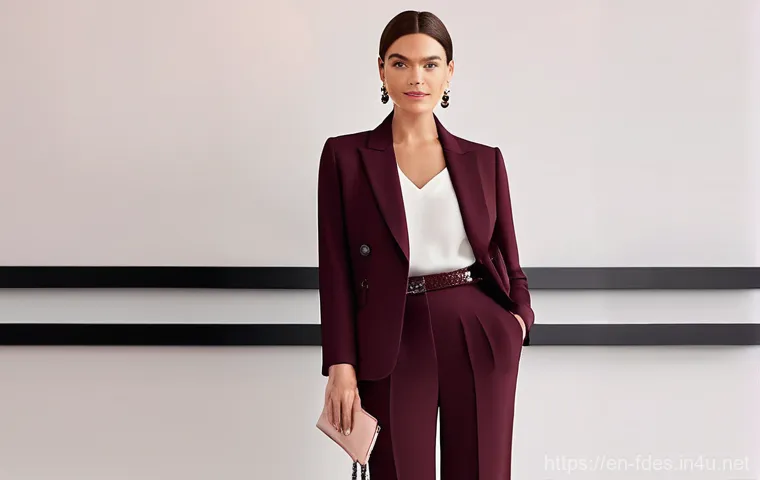
Once you’ve identified your general body shape, the real fun begins: learning how to emphasize your favorite features and create beautiful balance. This is where strategic styling comes into play! For example, if you have an hourglass figure, V-necks and wrap dresses will beautifully highlight your defined waist and décolletage. If you’re a rectangle shape, you might use belts or peplum tops to create the illusion of a waist, or add volume to your shoulders and hips. For pear shapes, I love to suggest eye-catching tops, statement necklaces, or structured shoulders to draw attention upwards, while A-line or straight-leg pants can elegantly skim the lower body. For apple shapes, focusing on showing off those fantastic legs with skinny jeans or fitted skirts, and opting for tops with good drape or V-necks, can be incredibly flattering. It’s all about understanding what lines and cuts work *with* your body to create the most harmonious silhouette. I’ve found that even small adjustments, like the length of a jacket or the rise of a pair of pants, can make a monumental difference. This isn’t about hiding flaws; it’s about celebrating your assets and dressing in a way that truly honors your unique form. When you dress for your body, you carry yourself with an undeniable confidence that no trend can replicate.
Mixing Prints and Patterns: A Fearless Approach
Okay, let’s tackle something that often strikes fear into the hearts of even seasoned fashionistas: mixing prints and patterns! For the longest time, I avoided it completely, sticking to solids because the idea of clashing patterns felt like a fashion faux pas waiting to happen. But then I saw people doing it so effortlessly, creating these incredibly dynamic and artistic outfits, and I realized I was missing out on a huge opportunity for self-expression. So, I took the plunge, and let me tell you, it’s one of the most fun and rewarding styling skills I’ve ever developed! It’s less about rigid rules and more about developing an eye for what works together – thinking of it as creating a visual conversation rather than just throwing things on. The key is finding common ground, whether it’s through color, scale, or a shared aesthetic. Once you start experimenting, you’ll discover that a striped top can look amazing with a floral skirt, or polka dots can play beautifully with plaid. It adds so much personality and a sense of sophisticated playfulness to your outfits that solids simply can’t achieve. It’s about taking risks, but calculated ones, and building confidence with each successful pairing. Trust me, embracing print mixing will open up a whole new realm of possibilities in your wardrobe and make getting dressed an exciting creative endeavor every single day. You’ll never look at your closet the same way again!
Finding Common Threads: Color, Scale, and Family
The secret sauce to successful print mixing lies in finding common threads. The easiest entry point, and my personal favorite, is to link patterns through a shared color. Pick an accent color from one print and make sure it appears in the other, even if it’s just a subtle hint. For example, a floral dress with flecks of navy blue can look stunning paired with a navy and white striped blazer. It instantly ties the two disparate patterns together and makes the combination look intentional rather than accidental. Another powerful tool is playing with scale. Pair a large, bold print with a much smaller, more delicate one. A chunky plaid scarf over a tiny polka dot blouse creates visual interest without overwhelming the eye. Alternatively, you can mix patterns from the same “family,” like different types of stripes (think thin pinstripes with wide nautical stripes) or varying animal prints (leopard and snake print can actually be chic together!). The goal is to create contrast without chaos. I always stand in front of the mirror and ask myself, “Does this look cohesive, or does it look like I got dressed in the dark?” It takes a bit of practice and developing your eye, but once you start seeing these connections, you’ll be mixing prints like a pro and having so much fun with it.
When to Break the Rules (and How to Do It Gracefully)
While finding common threads is a great starting point, sometimes the most memorable outfits come from knowingly breaking the “rules” of print mixing. This is where your individual style truly shines! For instance, if you’re feeling bold, you can absolutely mix two completely different, equally strong prints, but often the trick is to use one as a dominant piece and the other as a smaller accent. Think a powerful abstract print dress with just a touch of a contrasting geometric print in a shoe or a small clutch. Another way to gracefully break the rules is by incorporating a neutral element that acts as a visual “breather” between the patterns. A solid black blazer or a white tee can beautifully ground even the wildest print combination. I’ve found that confidence is key here; if you wear it with conviction, you’ll sell the look. It’s also important to consider the overall aesthetic you’re going for – do you want to look eclectic and artistic, or just playfully chic? Start small, perhaps with two prints that share *one* common element, and then gradually push your boundaries. The beauty of fashion is that there are no absolute unbreakable laws, only guidelines that can be creatively interpreted. Don’t be afraid to trust your gut and express your unique vision; sometimes, the most unexpected pairings are the most stylish and truly reflect your personality.
The Power of Personal Style: Beyond the Trends
In a world saturated with fleeting trends, the most powerful fashion statement you can make is cultivating a strong sense of personal style. This is something I’ve championed for years, and it’s truly the foundation of a wardrobe that makes you feel incredible every single day. Trends come and go, often dictating what’s “in” or “out,” and honestly, trying to keep up with every single one is not only exhausting but also incredibly expensive. Moreover, not every trend will suit your body type, lifestyle, or personality. True personal style is about looking inward, understanding who you are, what makes you feel comfortable and confident, and then expressing that outwardly through your clothing choices. It’s the sartorial fingerprint that makes you uniquely *you*. I’ve personally learned that investing in timeless pieces that genuinely reflect my aesthetic, rather than chasing every new fad, has made my wardrobe infinitely more versatile and sustainable. It’s about developing an internal compass that guides your choices, rather than relying on external influences. When you have a strong personal style, you effortlessly radiate authenticity and confidence, and that, my friends, is the most attractive accessory of all. This journey of self-discovery through fashion is ongoing, evolving as you do, and it’s one of the most rewarding aspects of my entire styling philosophy.
Defining Your Style DNA
So, how do you define your “style DNA”? It’s a fun and reflective process that goes beyond just what you see on the rack. Start by asking yourself some deep questions: What kind of emotions do you want your clothes to evoke? Do you feel best in classic, elegant pieces, or do you gravitate towards something more edgy, bohemian, or minimalist? Consider your lifestyle: what are your daily activities, and what kind of clothing supports them best? Think about the colors, fabrics, and silhouettes that consistently make you feel your most authentic and confident self. I often suggest creating a vision board, either digitally on Pinterest or physically with magazine clippings, of outfits, aesthetics, and even interiors that you love. Look for recurring themes, colors, and vibes. Don’t limit yourself to just clothes; sometimes inspiration comes from art, nature, or architecture. This isn’t about copying someone else’s look; it’s about extracting the elements that resonate with *your* core being and translating them into your wardrobe. This foundational understanding is what will guide all your fashion decisions, ensuring that every purchase and every outfit is a true reflection of your unique self, making getting dressed a truly joyful and empowering experience.
Cultivating Authenticity and Confidence
Once you’ve started defining your style DNA, the next crucial step is cultivating authenticity and confidence. It’s one thing to know what you like, but it’s another to truly own it and wear it with conviction. Authenticity in style means dressing for yourself, not for others. It means choosing outfits that make *you* feel good, regardless of what the latest fashion magazine dictates or what your friends are wearing. I’ve found that the more authentic I am with my clothing choices, the more confident I feel, and that confidence radiates outwards, making any outfit look better. Don’t be afraid to step outside your comfort zone occasionally, but always make sure it aligns with your evolving sense of self. Confidence, in turn, is built by consistently choosing clothes that fit well, flatter your figure, and align with your personal aesthetic. It’s also about understanding that style is a journey, and it’s okay for it to evolve. You might love bold prints one year and minimalist neutrals the next, and that’s perfectly normal. The real power comes from listening to your inner voice, trusting your instincts, and celebrating your unique fashion journey. When you dress with authenticity and confidence, your personal style becomes an incredibly powerful form of self-expression, making every day an opportunity to feel amazing in your own skin.
Seamlessly Blending Trends with Timeless Style
I know, I know, I just talked about the power of personal style *beyond* trends. But hear me out: fashion is a constantly evolving landscape, and while chasing every fad is exhausting, ignoring trends completely means missing out on some genuine fun and fresh updates! The real trick, the one that makes you look effortlessly current without sacrificing your unique identity, is learning how to seamlessly blend key trends with your timeless personal style. It’s about being a savvy curator, not a slave to the fashion cycle. I’ve personally discovered that instead of buying a whole new outfit every time a new trend emerges, I focus on incorporating *elements* of a trend that genuinely resonate with me and complement my existing wardrobe. This could be a trending color in a scarf, a specific silhouette in a new pair of trousers, or a fresh accessory that feels modern. The goal is to update your look and keep it feeling current, but always within the framework of what makes you feel amazing and authentic. It’s like adding new spices to a classic recipe; you enhance it without changing its fundamental deliciousness. This strategic approach keeps my wardrobe fresh and exciting, prevents me from feeling dated, and crucially, saves me a ton of money while still feeling incredibly stylish and “in the know.”
Selecting Relevant Trends to Integrate
The key to blending trends successfully is discernment. Not every trend is meant for everyone, and honestly, that’s a relief! Instead of feeling pressured to try *everything*, become an expert at selecting *relevant* trends to integrate. Start by observing what’s truly gaining traction and seems to have staying power beyond a few weeks. Then, critically evaluate how these trends fit with your personal style DNA and body shape. For instance, if oversized tailoring is in, but you know a fully baggy look overwhelms your petite frame, perhaps you can incorporate a slightly relaxed blazer with more fitted trousers. If a bold color is trending, but it’s not in your core palette, maybe you can use it in a small accessory like a belt or a bag. I always ask myself: “Does this trend *add* to my style, or does it try to *replace* it?” If it feels like a forced fit, I simply skip it. It’s about being selective and understanding that fashion is meant to serve *you*, not the other way around. This thoughtful approach ensures that you only bring in elements that genuinely enhance your look and make you feel more confident and modern, rather than feeling like you’re just trying too hard to keep up. It’s a smart way to stay current without losing yourself in the process.
Harmonizing New Pieces with Your Existing Wardrobe
Once you’ve identified a trend you love, the final step is harmonizing those new pieces with your existing wardrobe. This is where your capsule wardrobe philosophy really shines! The best way to integrate new items is to ensure they can be easily mixed and matched with multiple pieces you already own. For example, if wide-leg trousers are trending and you decide to buy a pair, think about what tops, jackets, and shoes you already have that will complement them. Can you pair them with your favorite fitted knit, a classic button-down, or a chic blazer? The more connections a new piece has to your current closet, the more value it adds. This strategic integration prevents your wardrobe from feeling disjointed or like you have a collection of random trendy items that don’t go together. It also forces you to be intentional with your purchases, moving away from impulse buys towards thoughtful additions. I’ve found that even a single trending item, when carefully chosen and cleverly integrated, can refresh dozens of existing outfits, making your entire wardrobe feel updated and exciting. It’s about making your clothes work harder for you and proving that you don’t need to break the bank to stay stylish and current.
The Art of Layering: Adding Dimension and Versatility
Layering isn’t just a practical way to stay warm; it’s a phenomenal styling technique that adds incredible dimension, depth, and versatility to your outfits. For years, I thought layering simply meant throwing a jacket over a shirt, but oh, how wrong I was! Once I started truly understanding the art of it, my wardrobe absolutely exploded with new possibilities. Layering allows you to create visual interest through different lengths, textures, and colors, turning simple pieces into sophisticated, multi-faceted ensembles. Think about a crisp white button-down shirt under a crew-neck sweater, with the collar and cuffs peeking out – instant polish! Or a longline cardigan over a shorter dress, completely changing the silhouette and adding a touch of casual chic. It also makes your wardrobe work harder, transitioning pieces seamlessly between seasons and occasions. A summer dress can become a fall staple with the addition of a turtleneck underneath and a blazer on top. I’ve personally found that layering is my secret weapon for making outfits feel more intentional and “put-together,” even when I’m just combining basic items. It’s about building an outfit piece by piece, considering how each layer interacts with the one beneath it, and creating a cohesive story. This technique has genuinely revolutionized my approach to dressing, making me feel perpetually stylish and prepared for any climate or occasion.
Strategic Use of Inner and Outer Layers
Mastering layering involves a strategic approach to both inner and outer layers. Your inner layers are your foundation – think thin, breathable pieces like camisoles, tank tops, or lightweight long-sleeved tees. These not only add warmth but can also provide a smooth base for other garments or add a subtle pop of color or texture. Over this, you build your mid-layers, such as blouses, shirts, or fine-gauge knitwear. This is where you start introducing more visual interest and structure. Finally, your outer layers, like blazers, cardigans, vests, or coats, are your statement pieces that complete the look and offer additional warmth or style. The key is to vary the lengths and textures of these layers. For instance, a long, flowing cardigan over a shorter top and tailored pants creates beautiful vertical lines. I often play with contrasting textures here – a delicate lace camisole under a chunky knit, or a silky shirt under a tweed blazer. It’s all about creating visual flow and preventing your outfit from looking bulky. I’ve learned that a well-chosen inner layer can prevent an outfit from feeling flat, while a great outer layer can completely transform the overall vibe. This methodical approach ensures your layered looks are polished, comfortable, and incredibly stylish, always.
Playing with Lengths and Silhouettes
One of the most exciting aspects of layering is the ability to play with different lengths and silhouettes to create dynamic and flattering looks. Forget just wearing everything at the same hemline; that can often look a bit bland. Instead, think about how different lengths can create interesting visual lines and proportions. For example, a long, duster-style cardigan worn over a midi dress creates a lovely elongated silhouette. Or, a cropped jacket over a longer tunic can highlight your waist while maintaining coverage. I love how a slightly longer shirt peeking out from under a shorter sweater can add a casual, cool vibe. It’s about experimenting with the interplay of hemlines and understanding how they impact your overall shape. Furthermore, layering allows you to modify silhouettes. A loose dress can be cinched at the waist with a belt over a layered top, instantly giving it more definition. Or, a tailored blazer over a flowy dress adds structure and polish. I’ve found that even subtle variations in length, like a shirt hem that’s just a little longer than your sweater, can make an outfit feel much more intentional and fashion-forward. This creative manipulation of lengths and silhouettes ensures your layered outfits are always visually engaging, preventing monotony and making your style truly unique and adaptable.
| Pattern Element | Key Principle | Styling Tip |
|---|---|---|
| Color Theory | Harmony & Contrast | Use the color wheel; try monochromatic for sophistication. |
| Proportions | Visual Balance | Balance volume; apply the “rule of thirds” for dynamic lines. |
| Texture Mixing | Depth & Interest | Combine smooth with rough, matte with shine for intrigue. |
| Accessorizing | Personal Expression | Use statement pieces; prioritize versatile, quality items. |
| Layering | Dimension & Versatility | Vary lengths and textures; build from inner to outer. |
Wrapping Things Up
Well, there you have it, my dear stylish friends! We’ve covered a lot of ground today, from the vibrant world of color theory to the subtle power of texture, the art of proportion, and the transformative magic of accessories.
Remember, fashion isn’t about rigid rules or chasing every fleeting trend; it’s a beautiful, personal journey of self-expression. My biggest hope is that you feel empowered to experiment, to discover what truly makes *you* feel fantastic, and to build a wardrobe that genuinely reflects your unique personality.
Dressing should always be a joyful experience, one that boosts your confidence and allows your authentic self to shine. Keep exploring, keep creating, and most importantly, keep having fun with your style!
Useful Information for Your Styling Journey
1. Don’t be afraid to pull out a color wheel when planning outfits; it’s a fantastic visual guide to harmonious and contrasting palettes.
2. Always check your proportions in a full-length mirror, especially when layering, to ensure a balanced and flattering silhouette.
3. Invest thoughtfully in high-quality basics. They are the versatile workhorses that will form the backbone of your stylish wardrobe.
4. Experiment with one new trend per season. See how you can integrate it into your existing style rather than overhauling your entire look.
5. Accessories are your secret weapon! Even a simple outfit can be elevated dramatically with the right shoes, bag, or statement jewelry.
Key Takeaways
Cultivating impeccable style is an empowering blend of understanding color, mastering proportions, strategically mixing textures, and artfully accessorizing.
Build a thoughtful capsule wardrobe, embrace the art of layering, and remember to always dress for *your* unique body shape and personal essence. True style shines through authenticity and confidence, allowing you to seamlessly weave in relevant trends while staying true to yourself.
Frequently Asked Questions (FAQ) 📖
Q: What exactly are these ‘fashion coordinator patterns’ you’re talking about, and why do they matter?
A: Oh, this is where the magic truly happens! When I talk about fashion coordination patterns, I’m really referring to the foundational elements that make an outfit work.
Think of them as the unspoken rules or blueprints that stylists and fashionistas intuitively use. The big three I focus on are Color Theory, Proportion, and Texture.
Color Theory: This isn’t just about matching colors; it’s about understanding how colors interact, how they evoke mood, and how to use them to highlight your best features.
For instance, knowing the difference between complementary, analogous, and monochromatic palettes can totally transform a simple outfit into something eye-catching.
I’ve personally found that even just mastering a few key color combinations can make my wardrobe feel twice as big! Proportion: This one is a game-changer for flattering your body shape.
It’s all about how different pieces of clothing relate to each other in terms of length, volume, and fit. Ever put on an outfit and felt “off” but couldn’t quite place why?
Chances are, it was a proportion issue. Learning to balance a voluminous top with a more streamlined bottom, or understanding where your hemlines should hit, can make you look taller, slimmer, or simply more elegant.
It’s not about hiding your body, but accentuating it in the most beautiful way possible. Texture: Often overlooked, texture adds incredible depth and interest to an outfit.
Imagine pairing a chunky knit sweater with sleek leather pants, or a soft silk blouse with raw denim. The contrast isn’t just visual; it adds a tactile richness that elevates your look from simple to sophisticated.
I always try to include at least two different textures in my outfits – it just makes everything feel more intentional and luxurious, even if I’m wearing high-street pieces.
These patterns matter because they give you a framework. Instead of blindly following trends, you learn why certain trends work and how to adapt them to your personal style, saving you from those “nothing to wear” moments!
Q: I feel completely overwhelmed by my wardrobe. Where should a beginner start with applying these patterns without buying a whole new set of clothes?
A: Oh, believe me, I’ve been exactly where you are! The thought of overhauling your entire wardrobe can feel like climbing Mount Everest. But the beauty of these patterns is that you don’t need to buy anything new to start.
Seriously! My biggest piece of advice for beginners is to start with what you already have and focus on observation. First, open your closet and pick out an outfit you genuinely love and feel fantastic in.
Now, take a moment to analyze it. What colors are you wearing? Are they similar, contrasting, or a mix?
How do the proportions work – is your top tucked in, or is it a longer silhouette? What about textures – is there a mix of soft, structured, or shiny elements?
By deconstructing an outfit you already adore, you’ll start to unconsciously identify the patterns that already resonate with your personal style. Next, try to replicate those patterns with other items in your closet.
For example, if you realized your favorite outfit uses a monochromatic color scheme (different shades of the same color), try to create another monochromatic look with different items.
If you noticed you love the balance of a fitted top with wide-leg pants, see if you have other pieces that can achieve a similar proportion. It’s all about playing detective with your own clothes!
When I first started, I literally took photos of outfits I liked and then tried to figure out why they worked. It’s a fantastic, zero-cost way to build your style intuition.
You’ll be amazed at how many new combinations you can create from your existing wardrobe once you start seeing the patterns.
Q: Can understanding these fashion coordination patterns actually save me money and help me be more sustainable in my fashion choices?
A: Absolutely, 100%! This is one of the huge hidden benefits of truly mastering these patterns, and honestly, it’s been a game-changer for my own budget and my impact on the planet.
Think about it: how many times have you bought something because it was trendy, only to wear it once or twice before it languished in your closet? Or perhaps you bought an item that you thought would go with everything, only to realize it just didn’t fit into your existing wardrobe.
I’ve been there more times than I care to admit! When you understand color theory, proportion, and texture, you stop buying clothes in isolation. Instead, you start seeing your wardrobe as a cohesive ecosystem.
You’ll naturally gravitate towards pieces that truly complement what you already own, rather than impulse buys that will gather dust. This dramatically reduces those “mistake purchases” that end up costing you money and contributing to textile waste.
For me, applying these patterns helped me build a much more intentional capsule wardrobe. I found myself needing fewer items because each piece could be mixed and matched in so many different ways.
Instead of buying ten trendy tops, I focused on five versatile ones that fit my preferred color palette and proportions, knowing I could style them endlessly.
This not only saved me a significant amount of money but also reduced my fashion footprint. It’s like having a superpower that lets you curate a stylish, adaptable wardrobe without constantly needing to shop.
It’s smart fashion, for your wallet and for the world!