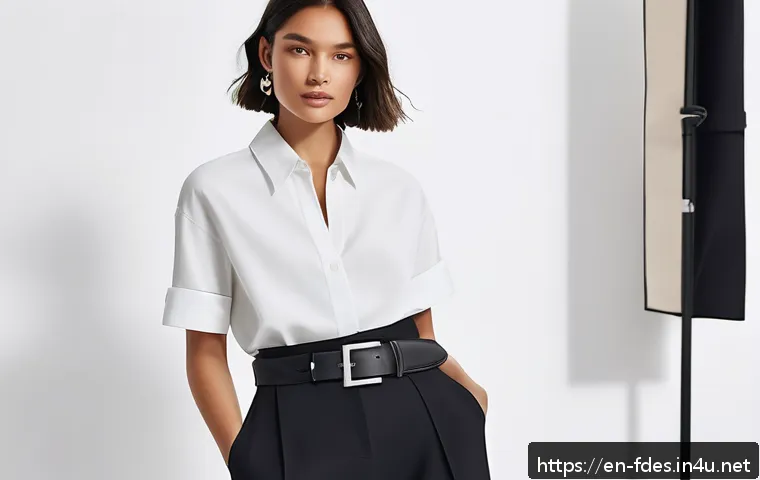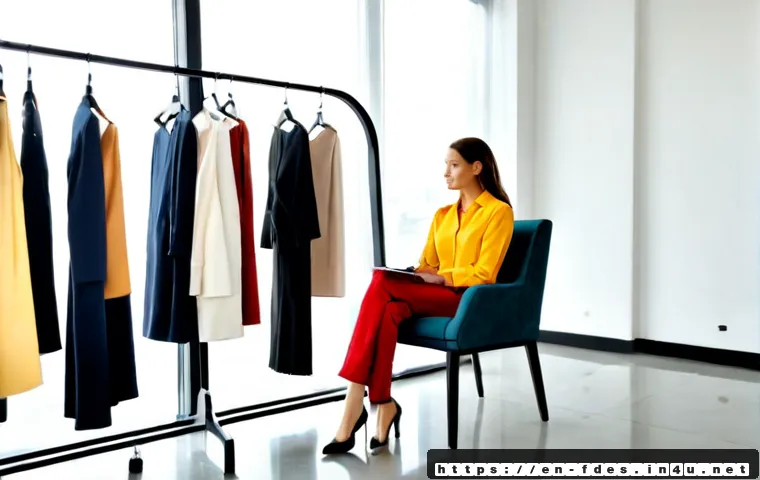
Fashion coordinators use psychology to create outfits that balance identity, comfort, context, and visual clarity. The goal is not to find a universally “powerful” color or a perfect trend, but to choose clothing that makes sense for the wearer and the setting.
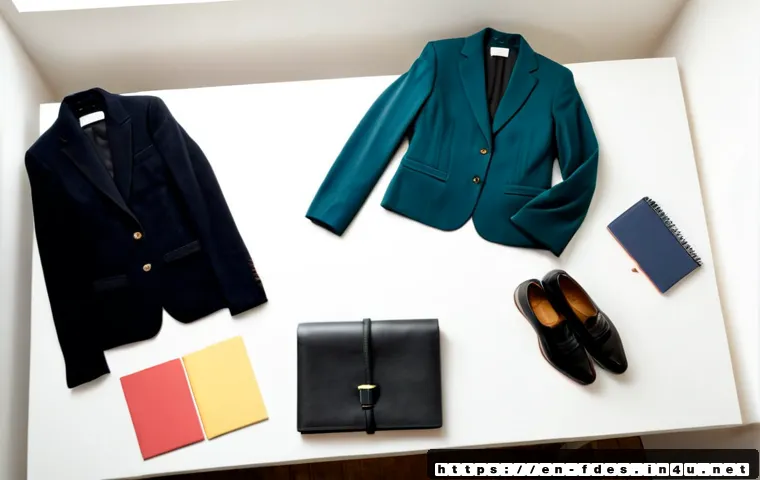
Clothing can signal formality, role, group belonging, and personal identity before a conversation begins. This is why fit, grooming, color contrast, and occasion matter as much as individual taste.
For busy professionals, repeatable outfit formulas and capsule wardrobe planning can also reduce daily decision fatigue. When the wardrobe problem is recurring, a wardrobe audit, virtual stylist, or in-person personal styling service may offer practical support.
At a Glance
- An effective outfit balances identity, comfort, context, and visual clarity.
- Color can influence perception, but its meaning changes with culture, lighting, surrounding colors, and personal preference.
- DIY planning, virtual styling, and in-person wardrobe services solve different problems and require different levels of time and support.
| Option | Best Use Case | Time Commitment | Typical Service Scope |
|---|---|---|---|
| DIY wardrobe audit | Organizing existing clothes and spotting gaps | Higher personal time | Sorting items, identifying duplicates, building outfit formulas |
| Virtual stylist | Feedback on outfits or targeted wardrobe questions | Moderate | Remote outfit review, shopping suggestions, digital planning |
| In-person personal shopper | Focused shopping support or a wardrobe update | Lower planning time for the client | Store visits, outfit selection, wardrobe shopping packages |
| Image consultant | Broader professional image or role-related presentation goals | Varies by service scope | Style direction, wardrobe planning, and appearance-focused guidance |
The Core Idea: Clothes Influence Perception, but Context Determines the Result
Clothes communicate visual signals, but no garment has one fixed meaning. A sharply tailored jacket may feel appropriate in a formal meeting and overly rigid at a relaxed creative gathering. A fashion coordinator starts by asking what the outfit needs to communicate in this specific setting, not what is supposed to work everywhere.
Why an outfit can feel appropriate in one setting and misplaced in another
Appropriateness is shaped by the occasion, the people present, the expected level of formality, and the wearer’s role. An outfit can be attractive and still feel out of place if it ignores the environment. Before copying a look, consider whether its fabric, fit, level of polish, and practicality match the actual day ahead.
The four coordination signals: identity, occasion, comfort, and visual balance
Identity keeps the outfit believable for the wearer. Occasion addresses the setting. Comfort matters because restricted movement or constant adjusting can distract from an otherwise strong look. Visual balance comes from fit, proportion, grooming, color relationships, and the amount of detail competing for attention.
Three quick questions to ask before building an outfit
Ask: “Where am I going and what is expected there?” “What role do I need to communicate?” and “Can I comfortably move through the day in this?” These questions are more useful than treating any trend or color rule as a shortcut.
The Psychology Behind Effective Outfit Coordination
Fashion psychology is most useful as a framework for noticing signals, not as a promise that one outfit will produce a particular outcome. The strongest decisions connect visual choices with the wearer’s needs and the situation.
Color, contrast, and emotional associations
Color perception depends on context. Lighting can change how a color appears, while neighboring colors can increase or soften contrast. Cultural associations and individual preferences also matter. Instead of assuming a color will make every audience feel the same way, use it to create a level of contrast and emphasis that feels suitable for the setting.
Fit and grooming as signals of intention and reliability
Well-fitting garments generally look more intentional than trend-driven pieces that fit poorly. This does not mean every outfit must be formal or expensive. It means sleeves, hems, shoulders, waist placement, and general grooming deserve attention. In some cases, alterations may provide more value than buying another item that is only almost right.
Familiarity, personal identity, and the confidence factor
People often feel more at ease in clothing that reflects their preferences and routine. A repeatable outfit formula—such as a preferred trouser shape, shirt style, and outer layer—can reduce decision fatigue. Comfort may support a more composed presence, but no clothing choice can guarantee confidence, hiring results, sales performance, or social success.
DIY Planning vs Professional Styling Support
The right support depends on whether the issue is organization, outfit feedback, shopping, or a broader image goal. Personal styling services vary widely, so compare the actual scope rather than relying on the service title alone.
Comparison table: wardrobe audit, virtual stylist, personal shopper, and image consultant
A wardrobe audit is useful when your closet feels full but daily choices feel limited. A virtual stylist may suit someone who wants flexible outfit feedback without an in-person appointment. A personal shopper can help when shopping is time-consuming or overwhelming. An image consultant may be relevant when professional role, presentation, and wardrobe planning need to be considered together.
When alterations may offer better value than buying more clothes
If you already own garments with useful fabric, color, and wardrobe compatibility, improving fit can be a practical first step. Review whether an item works with at least several existing pieces before replacing it. Confirm alteration feasibility, service scope, and cost directly with a qualified provider before committing.
What to ask about service scope, shopping budget, and follow-up support
Ask whether a service includes closet review, shopping recommendations, in-person store visits, virtual feedback, outfit boards, or follow-up planning. Discuss your shopping budget, everyday clothing needs, workplace expectations, and preferred level of involvement. Image consultant rates and wardrobe-shopping packages can differ substantially by location and scope, so request clear details before booking.
A Fashion Coordinator’s Workflow for Better Decisions
A simple process prevents impulse purchases and helps turn individual garments into a usable wardrobe. The focus is not on owning more; it is on making each choice easier to repeat.
Start with the occasion, audience, and desired impression
Define the day first: daily workwear, a client meeting, travel, a special event, or a casual social plan. Then consider who will be present and how formal the environment appears. This creates a useful boundary for deciding on silhouette, layers, shoes, and accessories.
Build around one anchor item instead of chasing every trend
Choose one anchor: a jacket, trousers, dress, shoes, or a distinctive accessory. Build the rest around it with compatible pieces. This approach makes it easier to judge whether a statement item fits the wardrobe instead of looking impressive only on a display or in a single photo.

Test comfort, movement, lighting, and outfit repetition before purchasing
Check whether you can sit, walk, reach, and move comfortably. Look at colors in more than one lighting condition when possible. Finally, ask whether the item can be worn with several pieces you already own. Repetition is not a failure of style; it is often a sign of a functional wardrobe.
Common Styling Mistakes That Undermine the Intended Message
Many wardrobe frustrations come from treating visual advice as a rigid rule instead of a starting point for observation.
Treating color rules as universal psychology
There is no color that creates the same impression for every person and audience. Context, culture, lighting, and personal preference can all change the result. Use color intentionally, but avoid promises that it will control how others respond.
Prioritizing labels over fit, fabric, and practicality
A recognizable label does not automatically create a coordinated appearance. Fit, fabric suitability, grooming, and the occasion usually matter more to whether an outfit feels intentional. Consider how an item functions in your routine before treating it as a wardrobe upgrade.
Buying statement pieces without checking wardrobe compatibility
A bold piece can be valuable, but it should work with more than one possible outfit. Before purchasing, identify compatible shoes, layers, and bottoms already in the closet. This small check can reduce duplicate purchases and prevent a closet full of isolated items.
Choosing the Right Styling Approach for Your Goals
Choose support based on the recurring problem you want to solve. A career transition may call for structured wardrobe planning. A special event may need a focused outfit decision. Daily workwear often benefits from repeatable formulas, while a wardrobe reset may begin with a detailed audit.
Best option for a career transition, special event, daily workwear, or wardrobe reset
For a career transition, consider a stylist or image consultant who can discuss role expectations and existing clothes. For a special event, targeted virtual styling or an in-person personal shopper may be enough. For daily workwear, a capsule wardrobe planning process can simplify combinations. For a wardrobe reset, begin by sorting what you own before buying replacements.
Decision checklist: budget, time, confidence level, and clothing needs
Consider your available budget, the time you can spend, how comfortable you feel making clothing decisions, and whether you need fit support, shopping support, or organization. Also consider workplace dress codes, cultural preferences, and body-image concerns as personal factors that require direct discussion rather than assumptions.
Summary: invest in support when it solves a recurring wardrobe problem
Professional support can be useful when the same issue keeps returning: rushed shopping, unworn purchases, unclear workwear expectations, or difficulty building outfits from existing pieces. The value is not in a guaranteed reaction from others. It is in a process that makes wardrobe decisions more deliberate and manageable.
Selection Criteria and Comparison Summary
Before choosing DIY planning or a styling service, check your actual wardrobe goal, the level of shopping or alteration support needed, your available time, your comfort with outfit decisions, and the provider’s follow-up process. Compare service scope, alteration needs, and wardrobe goals before booking. For personal styling services or wardrobe-shopping packages, review the official service details and conditions on the relevant provider page.
Closing Thoughts
Fashion coordination works best when it is practical rather than prescriptive. An outfit does not need to follow every trend to look intentional. Start with fit, context, comfort, and clothing that reflects the wearer. Then use styling support when it helps solve a clear and recurring decision problem.
Useful Things to Know
Wardrobe audits can reveal duplicate purchases, missing basics, and items that no longer match current needs.
Outfit formulas can reduce decision fatigue during busy weeks.
Virtual styling and in-person services can differ greatly in scope, so ask what is included.
Alterations may be worth exploring when a useful item needs a better fit.
Important Notes
Color, clothing, and grooming can shape visual impressions, but they do not produce guaranteed results. The best choice depends on the wearer, workplace or event expectations, culture, lighting, budget, and personal comfort. Confirm current pricing, availability, alteration options, and service terms directly with the provider you are considering.
Frequently Asked Questions
Q1. Is hiring a personal stylist worth the cost for everyday workwear?
A1. It may be useful if daily workwear decisions repeatedly take too much time, lead to duplicate purchases, or feel unclear. Compare the stylist’s scope, whether wardrobe planning is included, and whether the service matches your existing clothing needs before deciding.
Q2. Can color psychology help me choose clothes for an interview or client meeting?
A2. Color can be considered as part of overall visual balance, but it should not be treated as a guaranteed influence tool. Focus first on appropriate fit, grooming, comfort, and the expected formality of the setting, then choose colors that work well together and feel suitable for you.
Q3. What is the difference between a fashion coordinator, personal stylist, and image consultant?
A3. A fashion coordinator generally focuses on combining clothing and accessories into suitable looks. A personal stylist may provide outfit feedback, wardrobe planning, or shopping support. An image consultant may address broader appearance and presentation goals. Actual services vary, so review the provider’s specific scope.