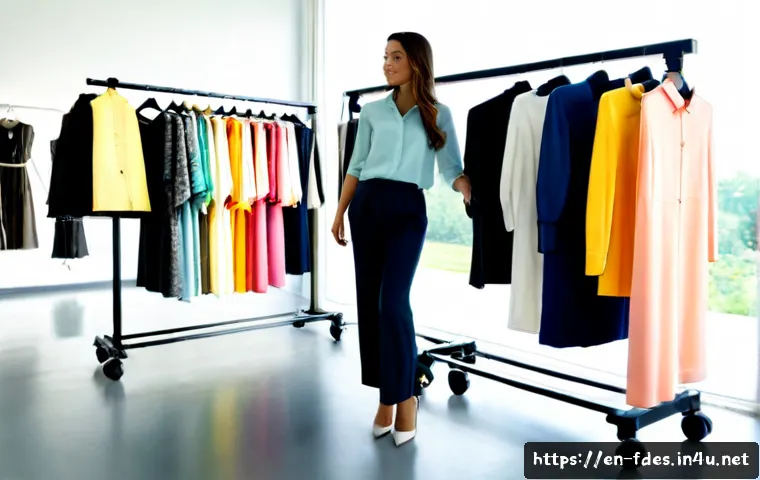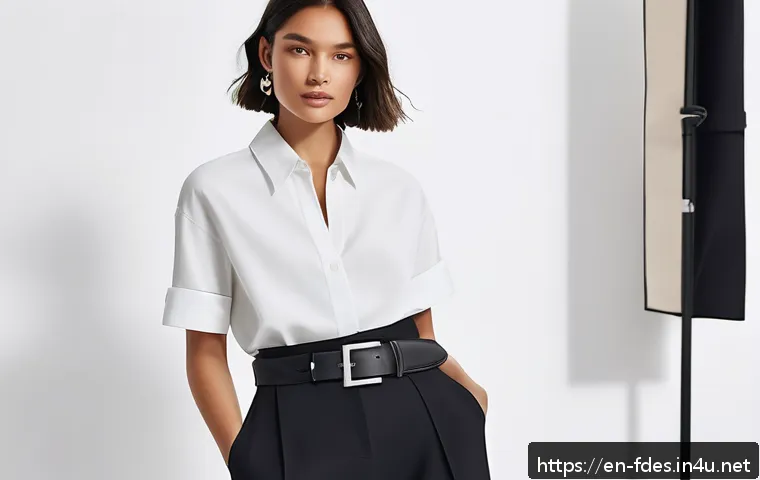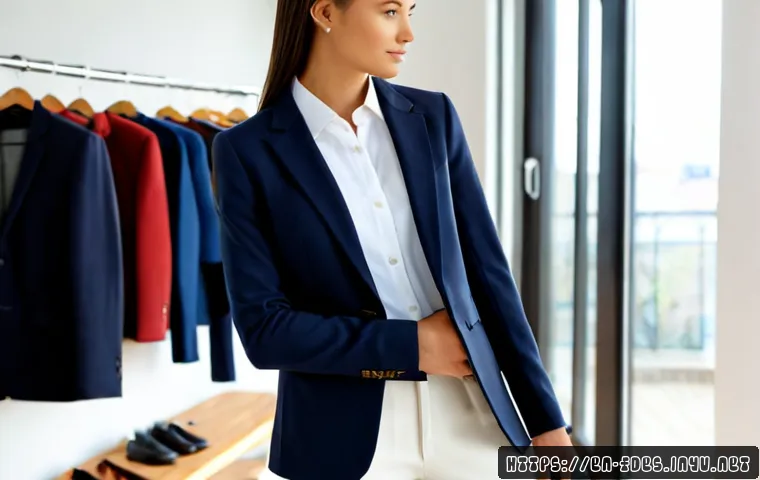
Learn practical styling techniques used by fashion coordinators: better proportions, color balance, layering, fit checks, and smart buying criteria for building versatile outfits with less waste.
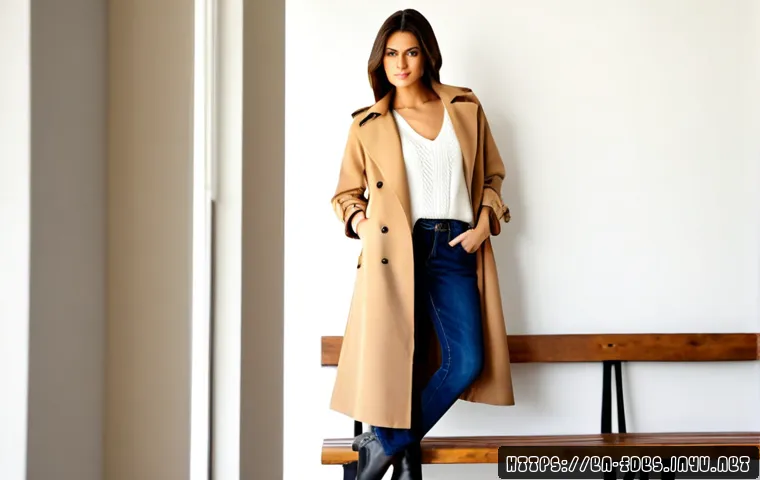
A polished outfit usually comes down to fit, proportion, and balance
, not a completely new wardrobe. Start by adjusting what you already own, then decide whether tailoring, a replacement, or professional styling support makes the most sense.
This approach helps you shop with clearer criteria instead of collecting pieces that only work once. A few dependable wardrobe basics, compatible colors, and intentional accessories can create more outfit options with less waste.
The best choice depends on your lifestyle, comfort preferences, climate, and dress code. Use the framework below to make each purchase or alteration decision more practical.
At a Glance
- Fit and proportion often make a bigger difference than the price of an individual garment.
- Use neutral basics as anchors, then add color, texture, or accessories with a clear purpose.
- Before buying anything new, compare a styling adjustment, tailoring option, replacement, and professional help.
| Option | Best When | What to Check |
|---|---|---|
| Adjust the styling | The item fits reasonably well but the outfit feels unfinished. | Shoe choice, tuck, sleeve roll, layering, accessories, and color balance. |
| Tailor an existing item | Length, waist fit, or sleeve proportion is the main issue. | Fabric, construction, alteration limits, care needs, and expected repeat wear. |
| Buy a replacement | The piece does not suit your needs, comfort, or outfit combinations. | Fit, versatility, fabric quality, return policy, and total cost. |
| Book professional help | You feel stuck across multiple outfits or need a clear wardrobe plan. | Service scope, your lifestyle needs, styling preferences, and follow-up support. |
The Fastest Way to Make an Outfit Look More Put Together
The quickest upgrade is to make the outfit look deliberate. Choose one visual idea, make sure the proportions support it, and check the fit before adding more pieces. A good outfit does not need many statement items; it needs a clear direction.
Start with One Clear Focal Point
Choose one element to lead: a patterned shirt, structured jacket, distinctive shoes, a bag, or a strong accessory. Keep the rest of the outfit quieter so the eye has somewhere to land. If your shoes, jewelry, print, outerwear, and bag all compete for attention, the result can feel less coordinated rather than more expressive.
Match Silhouette Before Adding Trend Pieces
Think about the overall outline first. A relaxed top can work well with a more fitted or structured bottom. Wide-leg trousers may look more balanced with a defined waist, a tucked top, or a shorter layer. This is not about following one body rule; it is about making sure the pieces look intentional together.
Use a Three-Step Fit Check: Shoulders, Waist, and Hem Length
Check shoulders, waist, and hem length before judging an outfit by color or trend appeal. Shoulder fit affects how jackets, shirts, and knitwear sit. Waist placement can change the apparent balance of an outfit. Hem length influences the relationship between trousers, skirts, and shoes. If one of these areas looks off, a simple adjustment may help more than another purchase.
Build Outfits Around Fit, Proportion, and Color Balance
A versatile wardrobe works best when its pieces share compatible colors, fabrics, and levels of formality. You do not need every item to match perfectly. You need enough overlap that getting dressed feels easier.
Balance Volume with a Fitted or Structured Counterpiece
Layering creates depth, but several thick fabrics or overly loose pieces can add unwanted bulk. If you wear an oversized knit, try a cleaner trouser shape, a straighter skirt, or a more structured shoe. If your trousers are wide and fluid, consider a top with some definition at the shoulder, waist, or hem.
Use a Simple Base-Color and Accent-Color Formula
Start with one or two neutral wardrobe basics as your base. Then introduce an accent through a shirt, scarf, shoe, bag, or jewelry. Neutral anchors are useful because they can pair with many colors and patterns. The goal is not to avoid color; it is to give color a job in the outfit.
Combine Textures Without Making the Outfit Feel Busy
Texture can make simple colors look more considered. For example, a smooth shirt, knit layer, and structured outerwear can create contrast without relying on a loud print. Be careful when combining multiple bold textures, heavy fabrics, or large patterns. If one element has strong texture, let the other pieces provide visual breathing room.
Style Upgrade Options: Adjust, Tailor, Replace, or Get Professional Help
When an outfit is not working, pause before shopping. The problem may be styling, fit, garment condition, or a mismatch between the item and your actual routine.
When Styling Changes Solve the Problem at No Extra Cost
Try a different shoe, a more defined tuck, rolled sleeves, a belt, or a lighter layer before replacing an item. Accessories can change formality, color balance, and focal point without requiring a full outfit change. These small styling techniques are especially useful when you already like the garment but rarely reach for it.
When Basic Tailoring May Offer Better Value Than Buying New
Tailoring can alter garment length, waist fit, and sleeve proportions when the fabric and construction allow it. It may be worth considering when a piece already fits well in key areas but needs refinement. Ask a tailor what is realistically possible before committing, since not every garment can be altered successfully or cost-effectively.
When a Personal Styling Session or Wardrobe Edit Can Make Sense
A personal styling service or wardrobe edit may be useful if you own many clothes but struggle to build outfits, are dressing for a new work environment, or want a more focused capsule wardrobe. Look for a service that asks about your daily life, comfort needs, preferred aesthetic, and budget rather than pushing a one-size-fits-all look.
Comparison Table: Cost Considerations, Time, Flexibility, and Long-Term Value
| Path | Cost Considerations | Time and Flexibility | Long-Term Value |
|---|---|---|---|
| Styling adjustment | No new garment required. | Fast to test at home. | Useful for rediscovering existing clothes. |
| Tailoring services | Compare alteration cost with expected use. | Requires a fitting and turnaround time. | Can improve pieces that are otherwise close to right. |
| New wardrobe essential | Consider total cost, care, and return terms. | Allows a fresh fit and fabric choice. | Best when it works with several current outfits. |
| Stylist or wardrobe-planning tool | Check what the service includes. | May save decision time across many outfits. | Helpful when you need a repeatable system. |
Common Styling Mistakes That Make Good Clothes Look Less Intentional
Ignoring Garment Length and Shoe Proportions
Trouser hems, skirt lengths, and shoe shape influence the whole outfit. A hem that feels awkward with one shoe may work better with another. Test the garment with the footwear you actually wear, not only with the shoes you had on when you bought it.
Wearing Too Many Competing Statement Elements
One statement element can make an outfit memorable. Several can make it difficult to see the overall shape. Edit one piece at a time until the outfit has a clear focal point.
Buying Single-Use Pieces Without Checking Outfit Compatibility
Before buying, ask: “Can I wear this with at least several items I already own?” Consider color, fabric weight, formality, and care requirements. A smaller wardrobe can be highly versatile when the pieces work together.
Skipping Fabric Care and Maintenance Requirements
A garment is only practical if you can realistically maintain it. Check fabric care instructions before purchasing, especially for items you expect to wear often. If the maintenance does not suit your routine, even a great-looking piece may stay unworn.
Styling Techniques for Work, Weekends, Events, and Travel
Polished Workwear with Repeatable Outfit Formulas
Create a few dependable formulas rather than reinventing your wardrobe every morning. For example, pair a structured layer with a simple base and one intentional accessory. Keep the formality level consistent across your shoes, bag, and outerwear, then adjust details to suit your workplace dress code.
Casual Outfits That Still Look Considered
Casual dressing benefits from the same fit principles. Combine one relaxed item with one piece that has more structure, and pay attention to clean proportions around the ankle, sleeve, or waist. A simple accessory or better shoe choice can make casual basics look more finished.
Event Styling Through Fabric, Accessories, and Shoe Choice
For events, you can often shift the mood of an existing outfit through fabric, accessories, and shoes. A smoother fabric, more defined bag, or dressier shoe can raise the formality without demanding an entirely new look. Check the event setting and comfort needs before deciding how far to dress up.
Packing a Compact Travel Wardrobe with Mix-and-Match Pieces
For travel, choose pieces with compatible colors and similar levels of formality. Limit bulky layers that are difficult to combine. A compact capsule wardrobe becomes easier to use when each item works in more than one outfit and suits the likely climate and activities.
Selection Criteria and Comparison Summary
Before choosing a new wardrobe essential, alteration, or styling service, compare fit, versatility, care requirements, and total cost. Check whether the item works with your existing shoes, layers, and color palette. Consider how often you are likely to wear it, not just how it looks in one outfit. For tailoring, compare the potential improvement with the garment’s condition and expected use. For a personal stylist or wardrobe app, review the service details and confirm that the approach fits your lifestyle rather than a generic trend. Official service information and detailed terms are best checked on the relevant provider’s page.
Final Thoughts
Better style does not require replacing everything you own. Start with fit, proportion, and a simple color plan, then use layers and accessories to create variety. Alter pieces that are close to working when an alteration is feasible. Buy new items only when they add real flexibility to your wardrobe.
Useful Things to Know
1. A neutral base does not have to be boring; it simply makes outfit planning easier.
2. One well-chosen accessory can change an outfit’s focus or formality.
3. A repeatable outfit formula can reduce rushed purchasing decisions.
4. Tailoring possibilities depend on the garment’s fabric and construction.
Important Notes
Personal proportions, climate, workplace expectations, comfort preferences, and budget vary widely. Not every garment can be altered successfully, and the value of tailoring depends on the item and local service costs. Check garment measurements, return policies, care labels, and service terms before making a purchase or booking professional help.
Frequently Asked Questions
Q1. What is the easiest styling technique to make an outfit look more expensive?
A1. Focus on fit and proportion first. A clean shoulder line, balanced hem length, coordinated shoes, and one clear focal point usually look more intentional than adding multiple trend pieces.
Q2. Is tailoring worth the cost for everyday clothing?
A2. It can be worth considering when you already wear the item often and the main issue is length, waist fit, or sleeve proportion. Ask a tailor what can be altered and compare the cost with the garment’s condition and expected use.
Q3. When should I consider hiring a personal stylist instead of buying more clothes?
A3. Consider a personal stylist or wardrobe-planning service when you have plenty of clothing but few workable outfits, need help with a lifestyle change, or want a clearer capsule wardrobe strategy. Review the service scope and make sure it reflects your preferences and everyday needs.