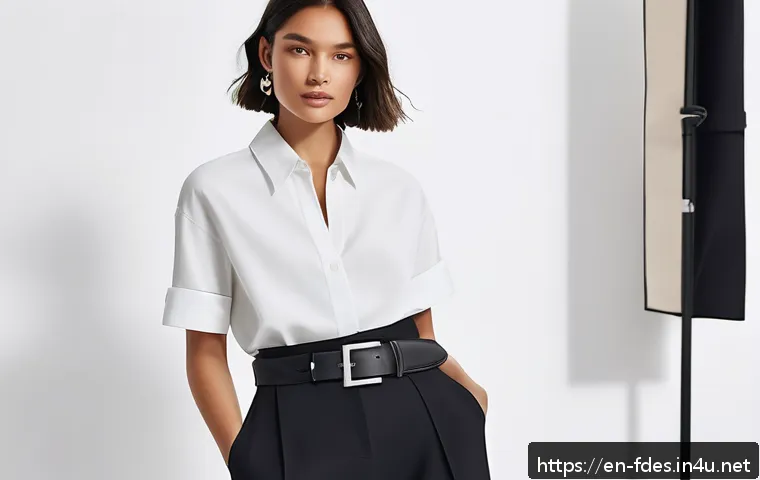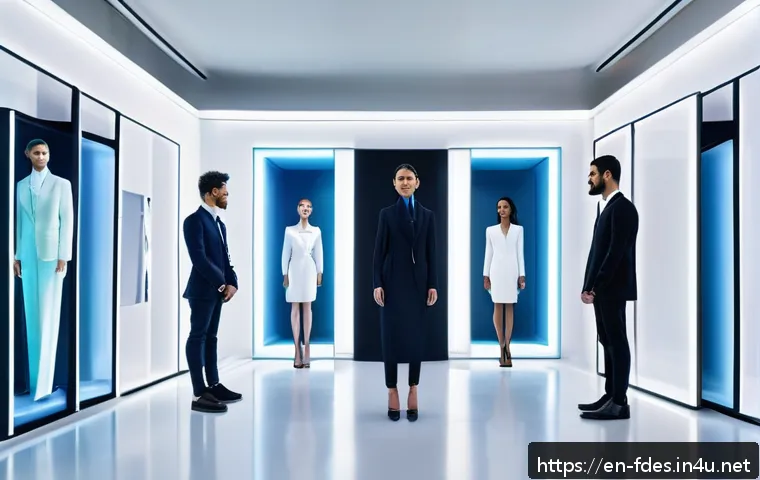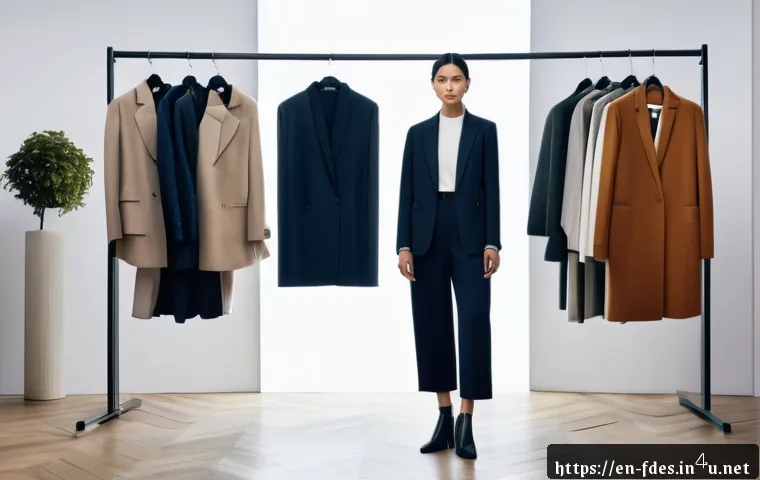
Fashion coordination is shifting from outfit selection alone to broader visual planning across retail, e-commerce, content, and brand campaigns. In-house roles can offer a more structured schedule and team support, while freelance work can provide flexibility but may involve variable project flow and self-funded tools.

The best path depends on your preferred work setting, location, creative control, and willingness to manage client communication. Digital portfolio tools, collaborative mood boards, inventory systems, and approval workflows now matter alongside styling judgment.
Paid training, portfolio photography, and software subscriptions can be useful when they fit a specific target role rather than being purchased by default.
Before choosing a job model or service, compare what you will be expected to produce, who pays for the tools, and how much on-site work is required.
At a Glance
- Fashion coordinators may support wardrobe planning, retail merchandising, editorial styling, e-commerce presentation, and brand campaigns.
- E-commerce and social content have increased the need for consistent styling, outfit recommendations, and visually coherent product imagery.
- In-house, agency, retail, e-commerce, and freelance paths differ in schedule structure, client exposure, tool needs, and operating costs.
| Work Environment | Typical Focus | Common Tools | Cost Responsibility | Best Fit |
|---|---|---|---|---|
| In-house brand or retailer | Brand consistency, product presentation, campaign support | Mood boards, digital asset systems, approval workflows | Often managed through the employer’s workflow | Coordinators seeking team structure and a defined brand direction |
| Agency, editorial, or production | Photo shoots, multiple briefs, visual storytelling | Call sheets, shared boards, image libraries, client feedback tools | Depends on the project and production arrangement | People who enjoy fast-changing creative assignments |
| E-commerce team | Product styling, outfit pairing, online image consistency | Inventory tracking, product image systems, content approvals | Often tied to internal retail or content operations | Coordinators interested in online retail and repeatable workflows |
| Freelance or independent work | Client-specific styling and project delivery | Portfolio platform, invoicing process, collaborative boards, virtual meetings | Usually handled by the coordinator unless agreed otherwise | Creatives seeking autonomy, variety, and direct client relationships |
What Is Changing in Fashion Coordination Work?
From Outfit Selection to Cross-Functional Visual Planning
Fashion coordination still involves clothing, accessories, silhouette, color, and styling judgment. However, the role may now extend into visual merchandising, product presentation, campaign preparation, editorial styling, and content planning. A coordinator may need to understand how an outfit reads on a retail floor, in a product image, on a social channel, or within a brand campaign.
This broader scope means that styling choices are often made with other teams in mind. Buyers, photographers, marketing staff, content creators, and online retail teams may all need clear information about the selected looks. Strong taste remains important, but organization and communication increasingly affect whether a styling concept can be produced consistently.
Why E-Commerce and Social Content Have Expanded the Role
E-commerce has increased the need for consistent product styling, outfit recommendations, and visual coherence across product imagery. A single garment may need to work within a standalone product photo, a complete outfit suggestion, and a wider seasonal story. That creates more planning work before a shoot or content review begins.
For coordinators interested in online retail, the work can be especially detail-oriented. Product availability, visual consistency, and image organization can all affect the final result. The role is not simply about creating one strong look; it may involve helping a large group of images feel connected and useful to shoppers.
The Growing Importance of Digital Collaboration
Many work environments now rely on digital mood boards, asset libraries, virtual meetings, inventory trackers, and content approval workflows. These tools do not replace styling judgment. They make it easier to explain an idea, organize options, share references, and record decisions across a distributed team.
When choosing styling software or collaborative tools, focus on the workflow first. A simple platform that supports image sharing, comments, version control, and organized folders may be more useful than a complex system with features your team will not use. Check whether outside clients, photographers, and marketing partners can review materials without unnecessary friction.
Comparing Today’s Main Work Environments
In-House Brand and Retail Positions
In-house coordinators typically work around the schedule of a brand, retailer, agency, or production team. The work may involve retail merchandising, seasonal launches, product presentation, or campaign support. This can suit someone who prefers a clearer operating rhythm and the chance to develop a deeper understanding of one brand aesthetic.
The trade-off is that creative control may be shaped by established brand guidelines. A coordinator should ask how styling decisions are approved, how often on-site work is expected, and which teams own product inventory, photography, and final content decisions.
Agency, Editorial, and Production-Based Work
Agency, editorial, and production settings can expose a coordinator to multiple clients, aesthetics, and project formats. Work may take place in studios, showrooms, photo sets, client locations, offices, or planning sessions. This environment can build range quickly because each brief may require a different visual approach.
At the same time, project schedules can change around shoots, approvals, and production needs. Before accepting a role or assignment, clarify the deliverables, the approval contact, and who handles practical needs such as wardrobe access, asset organization, and production coordination.
Freelance and Independent Client Work
Freelance fashion coordinators may work project by project for clients with different goals. This route can offer more control over the type of work accepted, the portfolio direction, and the client mix. It also requires the coordinator to handle more of the business side, including scope discussions, communication, portfolio marketing, and tool subscriptions.
A freelance stylist should avoid treating every request as a vague “styling job.” Define what is included: concept development, sourcing, fitting support, shoot-day coordination, revisions, image selection input, or post-production feedback. A clear project scope protects both the client and the coordinator.
Comparison: Stability, Flexibility, Tools, and Cost Responsibility
No work model is automatically better. In-house work may offer more consistent team processes, while freelance work may provide more autonomy and client variety. Agency and production work can create exposure to different visual languages, while e-commerce roles may suit coordinators who enjoy repeatable systems and online product presentation.
Compare roles based on the actual day-to-day work, not the job title alone. One “fashion coordinator” role may be centered on retail merchandising, while another may be closer to editorial production or digital commerce support.
Skills and Tools That Matter More Than Before
Visual Storytelling, Brand Consistency, and Audience Awareness
A useful portfolio shows more than attractive images. It should communicate styling judgment, organization, visual storytelling, and range across different aesthetics. A retailer may want to see clear product-focused looks, while a content-focused brand may value an ability to connect outfits into a broader campaign narrative.
Build portfolio sections around the work you want next. If your target is e-commerce, include work that demonstrates consistent product presentation. If your goal is editorial or campaign work, show how your references, styling choices, and final visuals connect. A portfolio without a target niche can look polished but still fail to explain what services you offer.
Digital Mood Boards, Portfolio Platforms, and Asset Workflows
Digital tools can support every stage of a project: mood boards for direction, portfolio platforms for presentation, asset management for image organization, and approval systems for client feedback. The best choice depends on whether you work alone, within a team, or with multiple external clients.
When comparing a portfolio platform, look at image quality, organization, collaboration features, privacy options, and pricing structure. For collaborative styling boards, check whether comments, shared access, file organization, and approvals fit the way your projects actually move. Compare portfolio platforms by collaboration features and pricing before committing to a subscription.
Communication Skills for Photographers, Buyers, and Marketing Teams
A coordinator often works between creative intent and practical execution. Photographers may need visual priorities. Buyers may need product context. Marketing teams may need the look to fit campaign messaging. Online retail teams may need consistent product details and image organization.
Clear communication helps prevent late changes. Use references that are easy to review, name files consistently, and confirm which person has final approval. These habits can be as valuable as a strong eye for styling because they help a team turn a concept into usable content.
Practical Career Risks and Cost Decisions
When Paid Training or Portfolio Development May Be Worthwhile
Paid training can be useful when it teaches a specific skill that matches your intended work environment, such as workflow organization, visual merchandising, styling for e-commerce, or professional collaboration. It may be less useful when it offers only broad inspiration without helping you produce clearer work samples.
Professional portfolio photography may also be worth considering when it helps present work at the level expected by your target clients or employers. Before paying, ask what gap the expense will solve. A better portfolio structure, stronger project descriptions, or more focused styling samples may be more important than adding more images.
Setting Freelance Scope, Revision Limits, and Usage Expectations
Independent coordinators should confirm the project scope before work begins. Discuss the purpose of the styling, the expected deliverables, the timeline, feedback process, and revision expectations. If imagery or styling concepts will be used across different content formats, make sure the intended usage is clearly discussed.
This is not about making a project rigid. It is about reducing confusion. A client may assume that sourcing, shoot attendance, extra outfit options, or repeated revisions are included unless the work is defined in plain language.
Avoiding Tool Subscriptions That Do Not Match the Work Volume
Portfolio software, digital asset tools, inventory systems, and collaborative planning platforms can all be useful. But recurring subscriptions can become an unnecessary operating cost if they do not match your current workload. Start with the workflow problem you need to solve, then choose the simplest option that supports it.
Review tools periodically. If you only need to share a small visual deck with one client, a large production system may not be necessary. If you manage many images, collaborators, and approvals, a more structured workflow tool may save time and reduce mistakes.
Which Career Path Fits Different Goals?
Best Fit for People Seeking Predictable Schedules and Team Support
In-house brand, retail, or e-commerce roles may be a practical fit for coordinators who prefer working within an established team. These settings can provide a clearer brand direction and regular collaboration with marketing, buyers, photographers, or store teams. The exact balance of remote and on-site work still varies by employer and specialty.
Best Fit for Creatives Seeking Client Variety and Autonomy
Freelance, agency, editorial, and production-based work may fit people who enjoy different client aesthetics and project types. This path can require more independent planning, client communication, and self-managed operating costs. A focused portfolio and clearly defined service scope are especially important.
Best Fit for Coordinators Focused on Online Retail and Content Production
E-commerce-oriented roles can suit coordinators who enjoy structure, repeatable standards, and the challenge of making product imagery visually consistent. This work often connects styling with online retail operations, content planning, product presentation, and digital asset organization.
If this is your goal, prioritize portfolio samples that show coherent product styling and practical collaboration. A visually strong image is valuable, but employers and clients may also want to see that you understand consistency across a wider product or content workflow.
Selection Criteria and Comparison Summary
Use these checkpoints before choosing a fashion coordination path, training option, portfolio service, or workflow tool:
- Income stability: Does the role follow an employer schedule, a production schedule, or project-by-project client work?
- Location and work setting: Will you be in studios, retail floors, showrooms, photo sets, offices, client locations, or remote planning sessions?
- Creative control: Are you expected to follow a defined brand system or shape the styling direction yourself?
- Operating costs: Who pays for portfolio tools, collaborative software, inventory systems, and production support?
- Portfolio fit: Does your work show the niche you want to enter, such as retail merchandising, e-commerce styling, editorial, or brand campaigns?
Before paying for training, portfolio photography, freelance support, or software, compare the included features, collaboration options, pricing, and cancellation terms on the relevant provider page.
Final Thoughts
Fashion coordination is becoming more connected to digital content, e-commerce presentation, and cross-functional planning. The strongest career choice is not necessarily the most independent or the most structured one; it is the one that matches your preferred schedule, creative role, and operating capacity. Build a portfolio around the work you want to do, not only the work you have already done. Then choose tools and paid support that solve a real workflow need.
Useful Things to Know
1. A portfolio can demonstrate organization and visual decision-making, not only finished photos.
2. E-commerce styling often requires consistency across many products and images.
3. Digital collaboration is useful when photographers, buyers, content teams, and clients need to review the same materials.
4. Freelance work benefits from clear expectations about deliverables, revisions, and project responsibilities.
Important Considerations
Salary ranges, freelance rates, benefits, job availability, and work schedules vary by city, employer, experience level, contract type, and specialty. No software platform, course, certification, or portfolio service guarantees employment or client income. Confirm role expectations, tool costs, and whether work is primarily remote or on-site before making a career or purchasing decision.
Frequently Asked Questions
Q1. Is fashion coordination a good career for someone who wants to work in e-commerce?
A1. It can be a relevant path because e-commerce relies on consistent product styling, outfit recommendations, coherent imagery, and collaboration between creative and online retail teams. A portfolio that shows product presentation and organized visual workflows may be especially useful for this direction.
Q2. Should a new fashion coordinator pay for a portfolio website or professional portfolio photos?
A2. It depends on the target role and the gap in your current presentation. A paid portfolio platform may be useful if it improves organization, image quality, sharing, or collaboration. Professional photography may help when it allows your work to be presented clearly, but neither purchase guarantees work. Compare the cost with the specific benefit you need.
Q3. What is the difference between an in-house fashion coordinator and a freelance stylist?
A3. An in-house coordinator typically works within a brand, retailer, agency, or production schedule and supports a defined team or brand direction. A freelance stylist may work project by project for different clients, with more autonomy but also more responsibility for portfolio promotion, tool costs, client communication, and project scope.