In today’s fast-paced fashion world, standing out requires more than just creativity—it demands sharp strategy and vision. As the industry evolves with digital trends and shifting consumer tastes, top fashion coordinators are mastering the art of blending style with business acumen.

Their journeys from humble beginnings to influential empires reveal powerful lessons on resilience and innovation. Whether you’re a budding stylist or a fashion enthusiast, exploring how these leaders built their brands offers inspiring insights and practical tips.
Let’s dive into the stories behind their success and uncover the secrets that keep them ahead in this ever-changing landscape.
Crafting a Unique Style Identity That Resonates
Understanding Personal Brand Beyond Fashion Trends
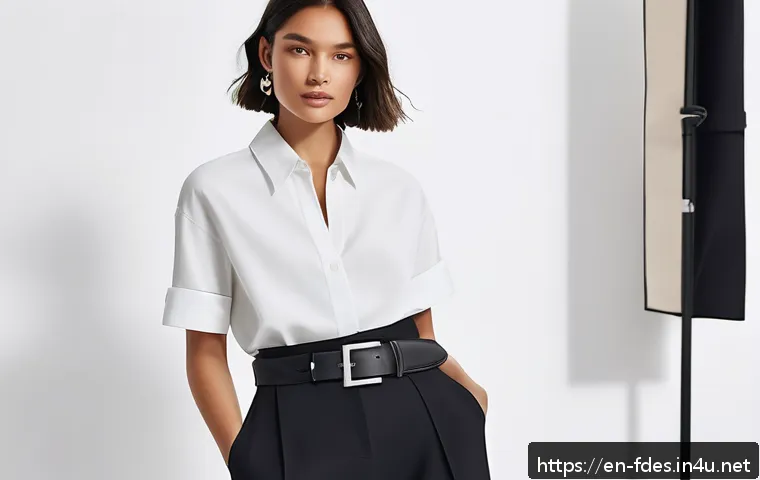
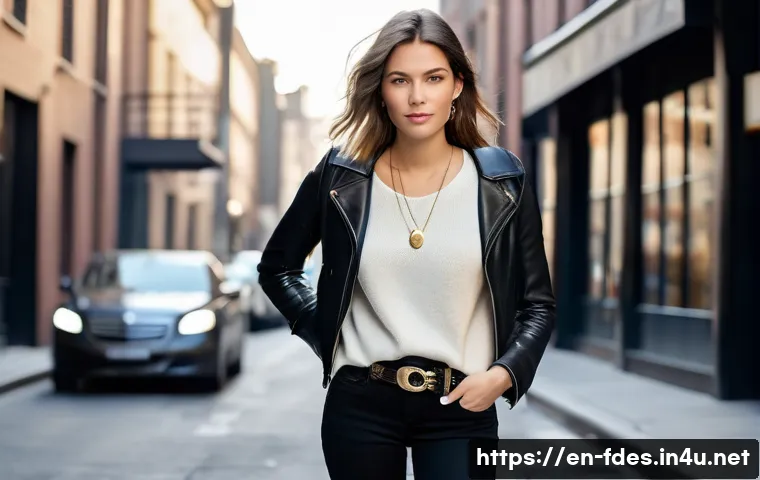
Fashion coordinators who truly excel have a knack for translating their personal style into a distinct brand identity. This means going beyond just following seasonal trends—they build a signature look that clients and followers immediately recognize.
From my experience chatting with stylists, those who succeed often describe their brand as an extension of their personality and values. It’s not just about what looks good but what feels authentic.
This authenticity invites trust and creates emotional connections, which are essential in an industry that thrives on visual storytelling.
Balancing Creativity with Client Expectations
One of the trickiest parts of being a fashion coordinator is managing the delicate balance between pushing creative boundaries and meeting what clients want.
I’ve noticed that the most respected coordinators are excellent listeners. They take time to understand their clients’ lifestyles, aspirations, and even insecurities before suggesting looks.
This thoughtful approach ensures that their creative ideas don’t just impress but also empower clients to feel confident. It’s a dance of empathy and artistry, and mastering it often separates the good from the truly great.
Leveraging Social Media to Amplify Style Influence
Social media platforms have revolutionized how fashion coordinators build their reputations. Those who harness Instagram, TikTok, or Pinterest effectively don’t just post outfits—they create engaging narratives around their looks, sharing behind-the-scenes glimpses, style tips, and the stories behind their choices.
From what I’ve seen, this storytelling creates a loyal community rather than passive followers. Coordinators who invest in consistent, authentic content often find their influence growing exponentially, opening doors to collaborations and brand partnerships.
Turning Passion into a Thriving Business
Monetizing Styling Services Without Losing Integrity
Many coordinators struggle with the transition from passion project to profitable business. The ones who nail it approach monetization strategically—they diversify income streams by offering personal styling, virtual consultations, workshops, and even affiliate marketing.
I’ve spoken to coordinators who emphasized that setting clear boundaries and pricing structures helped maintain professionalism and prevent burnout. It’s about valuing your expertise without diluting your brand’s essence, which sometimes means saying no to projects that don’t align with your vision.
Building Long-Term Client Relationships Through Trust
Sustainable success in fashion coordination isn’t just about one-off gigs; it’s about cultivating lasting relationships. I’ve noticed that top coordinators often check in with clients beyond styling sessions, offering seasonal updates, personalized recommendations, or even just casual style advice.
This level of care turns clients into brand ambassadors, spreading word-of-mouth referrals that are invaluable. Trust here is built through consistent quality, honesty, and genuine interest in clients’ evolving needs.
Scaling Up: From Solo Stylist to Team Leader
Growing a fashion coordination business often means expanding beyond solo work. Some coordinators I’ve followed have successfully scaled by hiring assistants, collaborating with photographers and makeup artists, and partnering with fashion brands.
This not only increases capacity but also enriches the creative process. However, scaling requires new skills—leadership, delegation, and strategic planning.
Those who embrace this growth mindset tend to sustain momentum and innovation longer.
Mastering Trend Forecasting and Adaptation
Researching Emerging Styles with an Eye for Longevity
The most effective fashion coordinators stay ahead of the curve by dedicating time to research upcoming trends across global markets. I’ve seen that they don’t just chase what’s hot but assess which elements have staying power.
This means analyzing runway shows, street style, and cultural shifts to predict what will resonate with their audience. It’s a skill that blends intuition with data, and coordinators who develop this foresight can offer fresh yet timeless advice to clients.
Adapting Trends to Individual Client Profiles
Not every trend suits every client, and successful coordinators excel at tailoring trends to individual personalities, body types, and lifestyles. From conversations I’ve had, coordinators often describe this as a creative puzzle—finding ways to incorporate popular elements in a manner that feels natural and flattering.
This personalization increases client satisfaction and reinforces the stylist’s reputation for thoughtful, effective work.
Using Technology Tools for Style Innovation
Technology plays an increasing role in trend forecasting and styling. Coordinators leveraging apps for virtual try-ons, AI-driven style suggestions, and digital mood boards tend to work more efficiently and creatively.
I’ve noticed that embracing these tools allows them to experiment with looks in real time and present polished concepts to clients, which enhances the overall experience and builds trust in their expertise.
Networking and Collaborations That Elevate Brand Status
Building Relationships with Industry Insiders

Top coordinators don’t operate in isolation—they actively network with designers, photographers, makeup artists, and influencers. This network not only broadens their creative horizons but also opens doors to exclusive projects.
From what I’ve learned, attending fashion events, participating in panels, and joining professional groups are common strategies to cultivate these valuable connections.
Collaborative Projects as Growth Catalysts
Collaborations can be game-changers. Coordinators who team up with fashion brands or influencers often create buzz and expand their audience reach. I’ve heard firsthand from stylists who experienced significant boosts in credibility and bookings after launching capsule collections or co-hosting style workshops.
These partnerships also bring fresh perspectives and foster innovation.
Maintaining Authenticity in Partnerships
While collaborations offer growth, maintaining authenticity is crucial. Coordinators I admire are selective about partners, ensuring alignment in values and aesthetics.
This cautious approach protects their brand integrity and keeps their audience’s trust intact. I’ve noticed that authenticity in partnerships resonates deeply with clients and followers, reinforcing loyalty.
Effective Time Management and Workflow Optimization
Prioritizing High-Impact Tasks
Managing multiple clients and projects demands sharp time management. Coordinators who thrive often prioritize tasks that yield the greatest results, such as client consultations, content creation, and networking.
From my observations, they use tools like calendars and project management apps to stay organized and avoid burnout. This focus ensures consistent quality and timely delivery.
Automating Routine Processes
Automation is a secret weapon for busy coordinators. Scheduling posts, sending client reminders, and invoicing can be streamlined with technology. I’ve talked to stylists who shared how automating these repetitive tasks freed up hours each week, allowing more time for creative work and client interaction, which are the true value drivers.
Balancing Work and Creative Recharge
Sustaining creativity requires intentional breaks. Successful coordinators build downtime into their schedules—whether it’s a quick walk, a day off, or travel for inspiration.
I’ve personally seen how these pauses prevent burnout and fuel fresh ideas, which ultimately reflect in their styling work. This balance is critical to long-term career satisfaction and innovation.
Fashion Coordination Success Factors at a Glance
| Success Factor | Description | Impact on Career |
|---|---|---|
| Authentic Personal Branding | Building a style identity that reflects true personality and values | Creates emotional connection and client loyalty |
| Client-Centered Creativity | Balancing artistic vision with client needs and preferences | Ensures client satisfaction and repeat business |
| Strategic Monetization | Diversifying income streams while maintaining brand integrity | Enables sustainable business growth |
| Trend Forecasting | Researching and adapting long-lasting styles | Positions coordinator as a forward-thinking expert |
| Networking & Collaborations | Building industry relationships and partnering strategically | Expands reach and opens new opportunities |
| Time Management | Prioritizing tasks and automating routine work | Boosts productivity and prevents burnout |
| Creative Recharge | Scheduling downtime for inspiration and rest | Maintains innovation and job satisfaction |
In Conclusion
Building a successful fashion coordination career goes far beyond just styling—it’s about creating a personal brand that truly connects with clients and stands the test of time. Balancing creativity with professionalism, leveraging modern tools, and nurturing genuine relationships are key. By embracing these elements, coordinators can turn passion into a thriving, sustainable business that continues to evolve and inspire.
Useful Tips to Remember
1. Always develop a style identity that reflects your authentic self—this builds trust and lasting connections.
2. Listen carefully to your clients’ needs and tailor your creative ideas to empower them confidently.
3. Use social media strategically to tell your story and engage with a loyal community rather than just posting outfits.
4. Diversify your income streams thoughtfully to maintain professionalism while growing your business.
5. Prioritize time management and take regular creative breaks to avoid burnout and keep your ideas fresh.
Key Takeaways
Successful fashion coordinators combine authentic personal branding with client-focused creativity to build strong, lasting relationships. Strategic monetization and staying ahead of trends position them as industry leaders. Networking and collaborations open new doors, while effective time management ensures sustained productivity and innovation. Above all, balancing work with creative rest is essential for long-term fulfillment and growth.
Frequently Asked Questions (FAQ) 📖
Q: How can aspiring fashion coordinators develop both creative and business skills to succeed in the industry?
A: Balancing creativity with business savvy is key to thriving as a fashion coordinator. Start by honing your design and styling skills through hands-on experience—internships, freelance projects, or personal styling gigs work well.
Simultaneously, educate yourself on business essentials like marketing, branding, and finance. Many successful coordinators recommend taking online courses or workshops focused on fashion entrepreneurship.
Personally, I found that managing my own small projects helped me understand budgeting and client relations better. This blend of creativity and business knowledge gives you the edge to build a sustainable career.
Q: What challenges do top fashion coordinators commonly face, and how do they overcome them?
A: One of the biggest challenges is staying relevant amid rapidly changing trends and consumer preferences. Coordinators often struggle with balancing artistic vision and commercial viability.
To overcome this, successful professionals stay curious and adaptable—they regularly research market trends and listen closely to their audience. Networking also plays a crucial role; building strong industry relationships opens doors to collaborations and fresh ideas.
From my experience, embracing failure as a learning opportunity rather than a setback has been invaluable. It’s about resilience, continuous learning, and evolving your approach without losing your unique style.
Q: What practical tips do fashion leaders offer for building a personal brand that stands out?
A: Fashion leaders emphasize authenticity and consistency as cornerstones of a strong personal brand. Start by identifying your unique style and values—what sets you apart from others?
Then, communicate that clearly across all platforms, from social media to your portfolio. Engaging storytelling and high-quality visuals help build trust and attract followers.
Many top coordinators also suggest collaborating with influencers or brands that align with your vision to expand your reach. Personally, sharing behind-the-scenes moments and personal insights has helped me connect deeply with my audience, making my brand feel more relatable and trustworthy.