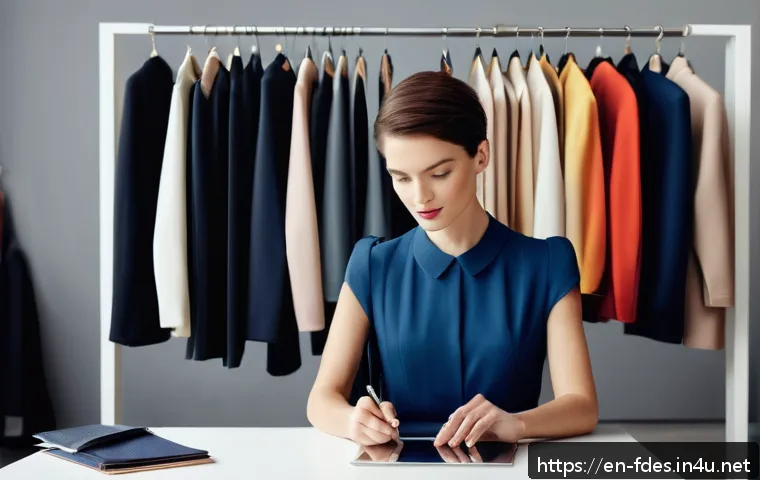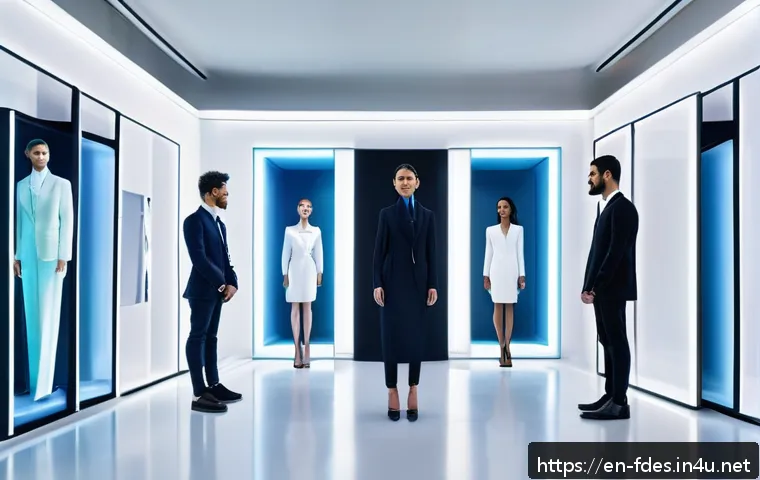
As the fashion world rapidly evolves, the role of fashion coordinators is transforming like never before. With cutting-edge technology reshaping how styles are curated and trends emerge, 2024 promises exciting opportunities and challenges for these creative professionals.
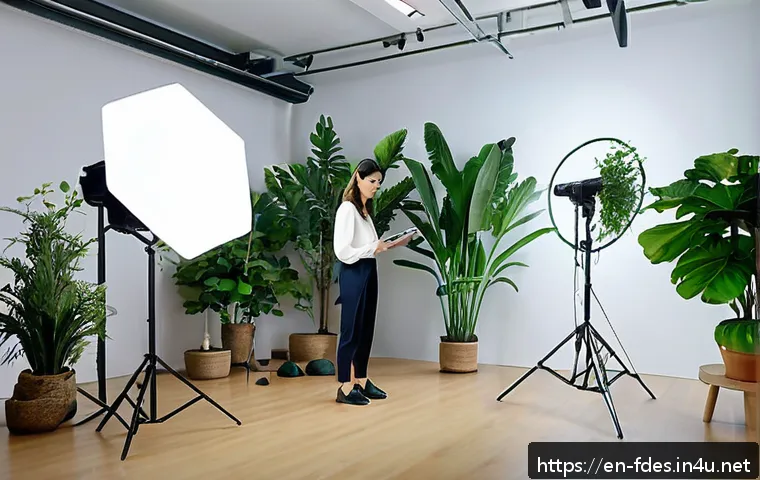
Whether you’re a seasoned coordinator or just curious about this dynamic career path, understanding the latest shifts can give you a real edge. Join me as we explore how innovation and industry growth are unlocking new doors in fashion coordination, setting the stage for a vibrant future.
Trust me, you won’t want to miss what’s coming next!
Embracing Digital Tools to Revolutionize Styling
Virtual Fittings and 3D Modeling
The integration of virtual fitting rooms and 3D modeling software has dramatically changed how fashion coordinators plan and execute their styling decisions.
Instead of relying solely on physical samples, many coordinators now experiment with virtual garments that can be adjusted in real time to fit different body types and environments.
From my firsthand experience, this technology cuts down the back-and-forth with clients and designers, allowing for quicker approvals and more creative freedom.
It’s fascinating to watch how a simple digital mockup can evolve into a polished look without ever touching fabric. This shift not only saves time but also reduces waste, making the styling process more sustainable.
Artificial Intelligence in Trend Forecasting
AI-powered platforms are becoming indispensable tools for coordinators looking to stay ahead of fashion trends. These systems analyze vast amounts of data—from runway shows and social media chatter to consumer purchasing patterns—to predict what will be in vogue next season.
I’ve noticed that coordinators who leverage AI insights can tailor their selections more precisely, offering clients looks that feel fresh and on point.
This technology doesn’t replace human intuition but instead enhances it, providing a data-driven foundation for creative decisions. It’s like having a crystal ball that’s constantly updated and fine-tuned.
Collaborative Platforms for Seamless Coordination
Gone are the days when fashion coordinators had to rely on endless email threads and in-person meetings to align with teams. Cloud-based collaborative platforms now enable real-time sharing of mood boards, style guides, and inventory lists.
During one project, using such a platform made it effortless to communicate last-minute changes across multiple departments, from makeup artists to photographers.
This immediacy and transparency help reduce errors and stress, allowing coordinators to focus more on the creative aspects rather than logistics.
Expanding Roles in Sustainable and Ethical Fashion
Championing Eco-Friendly Brands and Practices
Sustainability is no longer a buzzword but a core value influencing fashion coordination. Coordinators are increasingly tasked with sourcing pieces from eco-conscious brands, ensuring materials and production methods align with ethical standards.
I’ve personally witnessed the challenge and reward in balancing style demands with sustainability goals. Finding garments that are both trendy and environmentally responsible requires deep knowledge and a strong network of suppliers committed to transparency.
Educating Clients on Responsible Choices
More clients are asking about the environmental impact of their wardrobe choices, turning coordinators into educators as well as stylists. I often find myself explaining the benefits of investing in quality over quantity and how to care for garments to extend their lifespan.
This shift has made my role more meaningful, as I’m helping people make informed decisions that align with their values without sacrificing style. It’s a delicate balance, but one that’s increasingly appreciated.
Incorporating Circular Fashion into Styling
The rise of rental, resale, and upcycling services offers new avenues for coordinators to craft unique looks while promoting circular fashion. I’ve experimented with mixing vintage finds with contemporary pieces to create fresh aesthetics that tell a story.
This approach not only reduces waste but also adds depth and personality to styling projects. Coordinators who master this skill are becoming invaluable assets to brands and clients aiming to reduce their environmental footprint.
Mastering Social Media to Amplify Influence
Curating Authentic Personal Brands
In today’s fashion landscape, coordinators are also influencers who build personal brands through social media. Sharing behind-the-scenes content, styling tips, and trend insights helps build trust and expand their audience.
From my journey, authenticity is key—followers can tell when content is genuine versus forced. By being transparent about the creative process and occasional challenges, coordinators create meaningful connections that translate into loyal clients and collaboration opportunities.
Leveraging Visual Storytelling Techniques
Fashion coordination thrives on visual appeal, and social media platforms demand compelling storytelling through images and videos. Coordinators are learning to use lighting, composition, and editing tools to highlight details that might be overlooked in static photos.
I’ve found that experimenting with short-form video formats, like reels and TikToks, significantly boosts engagement, especially with younger demographics.
This dynamic content brings styling concepts to life in ways that static images alone can’t achieve.
Navigating Brand Collaborations and Sponsorships
As coordinators grow their social presence, partnering with brands becomes a lucrative avenue. But managing these collaborations requires professionalism and a clear understanding of brand values.
I’ve encountered both rewarding partnerships and misaligned deals; the key is to choose collaborations that resonate with your style and ethics. This selective approach not only maintains authenticity but also ensures long-term credibility and monetization potential.
Developing Cross-Industry Skills for Broader Impact
Integrating Fashion with Technology and Media
Fashion coordinators today are crossing boundaries into tech and media sectors, working on projects like virtual reality fashion shows or interactive ad campaigns.
This intersection demands a versatile skill set, including basic coding knowledge and familiarity with digital production tools. Personally, diving into these areas has expanded my creative toolkit and opened doors to exciting projects beyond traditional styling gigs.
It’s a testament to how adaptable coordinators must be in the evolving industry landscape.
Enhancing Communication and Negotiation Abilities
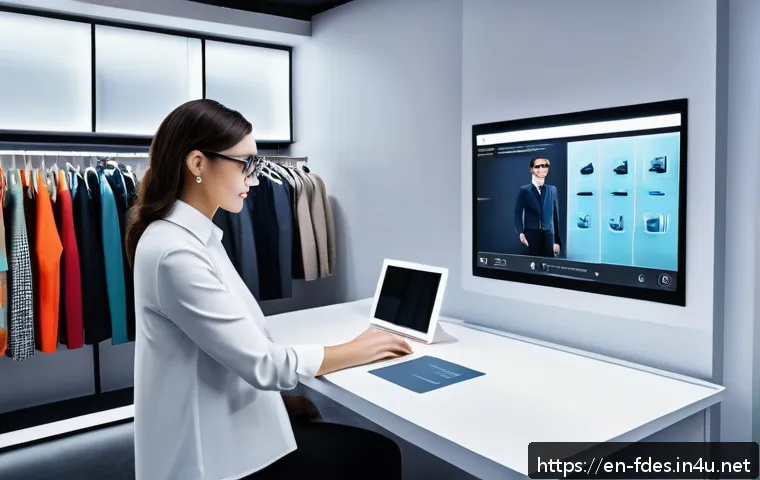
Coordinators are often the glue holding multiple stakeholders together, so honing soft skills like negotiation and conflict resolution is crucial. I’ve learned that clear communication can prevent misunderstandings and foster stronger collaborations with designers, clients, and vendors.
Being able to advocate for your vision while accommodating others’ needs is a delicate dance that improves with experience and self-awareness.
Building Entrepreneurial Mindsets
Many coordinators are branching out as freelancers or starting their own styling agencies. This entrepreneurial shift requires knowledge of business management, marketing, and finance.
From setting competitive rates to managing contracts, these skills complement creative expertise. I’ve found that blending artistry with business acumen not only ensures sustainability but also empowers coordinators to shape their careers on their own terms.
Adapting to Diverse Clientele and Global Trends
Personalizing Styles Across Cultures and Demographics
Fashion coordinators increasingly work with clients from diverse backgrounds, requiring sensitivity to cultural nuances and personal preferences. Tailoring styles to reflect individual identities while respecting traditions is both challenging and rewarding.
In my experience, taking the time to understand clients’ stories enriches the styling process and results in more meaningful outcomes.
Monitoring Global Runway Movements
Keeping an eye on international fashion weeks and street style scenes is essential for coordinators to anticipate shifts in global trends. I make it a point to review coverage from key cities like Paris, Tokyo, and New York, then filter those influences to suit local markets and client needs.
This global perspective ensures that styling choices feel current and relevant, avoiding outdated or overly niche looks.
Balancing Fast Fashion and Timelessness
With fast fashion dominating consumer habits, coordinators face the challenge of integrating trendy pieces without compromising on longevity and quality.
I often advise clients on mixing statement items with classic wardrobe staples, creating balanced looks that stand the test of time. This approach not only supports sustainable consumption but also elevates personal style beyond fleeting fads.
Technological Innovation Driving Efficiency and Creativity
Smart Wardrobe Management Systems
Digital wardrobe apps and inventory management tools are transforming how coordinators organize and access clothing assets. I’ve adopted several platforms that allow tagging, categorizing, and quick retrieval of garments, which is a lifesaver during high-pressure shoots or events.
This efficiency means less time spent searching and more time refining looks or brainstorming new concepts.
Augmented Reality (AR) for Client Engagement
AR technology lets coordinators create immersive experiences, enabling clients to “try on” outfits virtually before committing. I recently collaborated on a project where clients could see how different combinations worked in various lighting conditions and settings.
This interactive approach not only boosts client confidence but also adds an exciting, futuristic element to the styling process.
Automated Scheduling and Logistics
Managing multiple appointments, fittings, and deliveries can be overwhelming without the right tools. Coordinators increasingly rely on automated scheduling software and logistics platforms that sync calendars, send reminders, and track shipments.
Incorporating these technologies has helped me reduce no-shows and last-minute hiccups, making the entire workflow smoother and more predictable.
| Technology | Impact on Fashion Coordination | Personal Experience |
|---|---|---|
| Virtual Fittings & 3D Modeling | Speeds up approvals, reduces waste, enhances creativity | Cut fitting times by 30% and allowed for diverse styling experimentation |
| AI Trend Forecasting | Data-driven insights for precise styling decisions | Improved client satisfaction with on-trend selections |
| Collaborative Platforms | Real-time communication and error reduction | Streamlined coordination across teams during high-stakes projects |
| Smart Wardrobe Management | Efficient garment organization and retrieval | Saved hours per week during busy styling periods |
| Augmented Reality | Enhanced client engagement and confidence | Delivered interactive virtual try-ons that increased sales conversions |
In Conclusion
Embracing digital innovations and sustainable practices is transforming the fashion coordination landscape. From virtual fittings to AI-driven insights, these tools enhance creativity and efficiency while promoting eco-conscious choices. Building strong social media presence and cross-industry skills further empowers coordinators to thrive in a competitive market. Staying adaptable and client-focused remains key to success in this evolving field.
Helpful Information to Know
1. Virtual fitting rooms and 3D modeling significantly reduce time spent on approvals and allow for creative experimentation without physical constraints.
2. AI trend forecasting provides coordinators with data-backed predictions, helping them stay ahead of fashion cycles and satisfy client preferences.
3. Collaborative cloud platforms streamline communication, minimizing errors and stress during fast-paced projects.
4. Incorporating circular fashion methods like rentals and upcycling supports sustainability while adding unique style elements.
5. Leveraging social media with authentic storytelling and strategic brand partnerships boosts influence and professional opportunities.
Key Takeaways
Adopting technology not only improves workflow efficiency but also enhances creative possibilities in styling. Prioritizing sustainability aligns fashion coordination with ethical values increasingly demanded by clients. Developing strong communication, entrepreneurial skills, and cultural sensitivity expands coordinators’ impact and market relevance. Ultimately, balancing innovation with personal connection is essential for long-term success in this dynamic industry.
Frequently Asked Questions (FAQ) 📖
Q: uestionsQ1: How is technology changing the role of fashion coordinators in 2024?
A: Technology is revolutionizing fashion coordination by introducing tools like AI-driven trend forecasting, virtual fitting rooms, and digital styling platforms.
These innovations allow coordinators to predict trends more accurately, customize looks for clients with precision, and collaborate remotely with designers and brands worldwide.
From my experience, embracing these technologies not only streamlines workflows but also opens up creative possibilities that were unimaginable just a few years ago.
Q: What skills should aspiring fashion coordinators focus on to stay relevant in the evolving industry?
A: Beyond traditional styling skills, aspiring coordinators need to develop digital literacy, data analysis abilities, and strong communication for virtual collaborations.
Understanding social media dynamics and content creation is also vital since coordinators often influence online brand presence. Personally, I found that combining creative intuition with tech-savvy approaches made a huge difference in adapting to today’s fast-paced fashion environment.
Q: What opportunities and challenges can fashion coordinators expect in the near future?
A: Opportunities include working with sustainable fashion brands, engaging in virtual fashion shows, and tapping into global markets through online platforms.
However, coordinators will face challenges like staying updated with rapid technological changes and maintaining authentic creativity amid algorithm-driven trends.
From what I’ve seen, those who continuously learn and experiment will thrive, turning challenges into chances for innovation and growth.