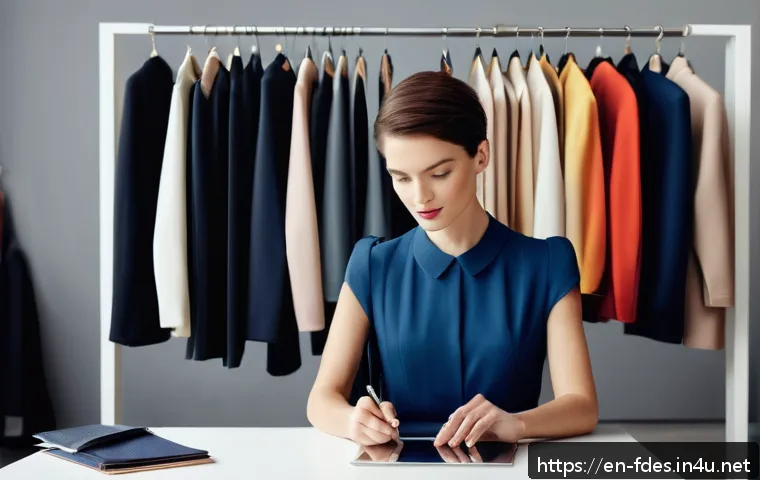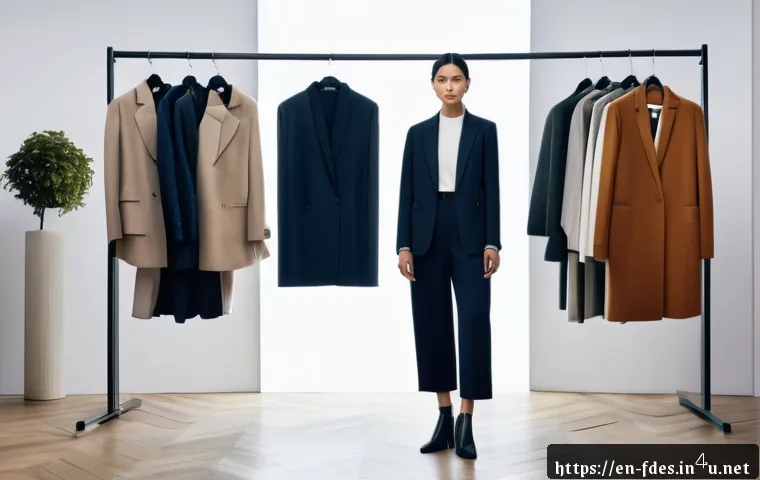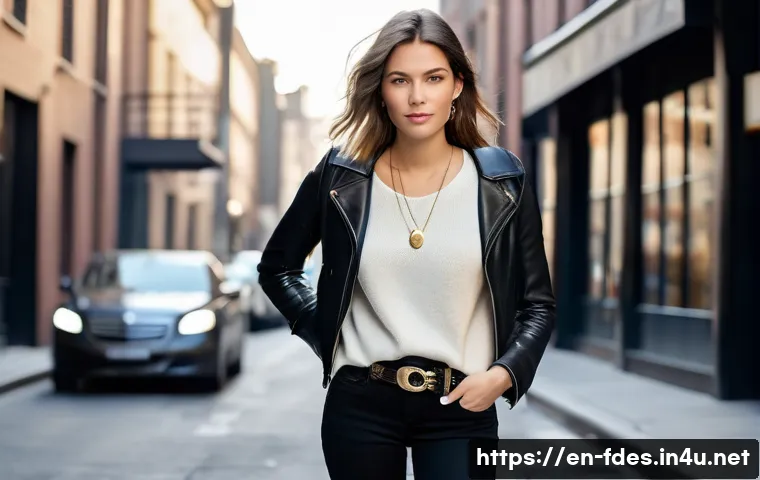
In the ever-evolving world of fashion, creativity is the heartbeat that keeps style fresh and exciting. Fashion coordinators play a crucial role in transforming ordinary pieces into stunning, personalized looks that reflect individual personality and current trends.
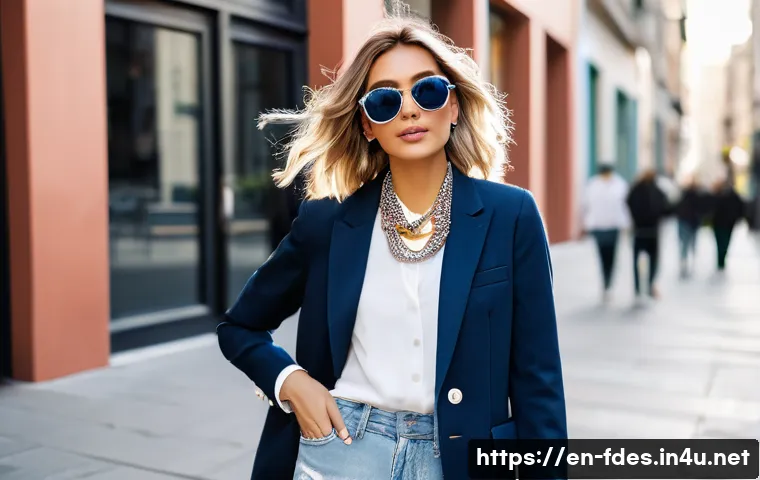
Their ability to mix textures, colors, and accessories can turn a simple outfit into a bold statement. From runway inspirations to everyday wear, innovative styling techniques continue to push boundaries and redefine what fashion means today.
If you’re curious about how these creative minds work their magic, we’re about to dive deep and explore some truly inspiring examples. Let’s uncover the secrets behind these standout styles together!
Mastering the Art of Layering for Dynamic Outfits
Balancing Textures and Fabrics
One of the most captivating skills fashion coordinators showcase is their knack for layering different textures and fabrics. Imagine pairing a soft cashmere sweater with a rugged leather jacket—this contrast instantly elevates the outfit, creating visual interest and depth.
When I experimented with this approach myself, layering a silk blouse beneath a chunky knit not only felt cozy but also looked effortlessly chic. The key lies in mixing materials that complement rather than compete, such as combining smooth, shiny fabrics with matte or rougher textures.
This technique not only adds dimension but also keeps the wearer comfortable across changing weather conditions, making it a practical yet stylish choice.
Color Coordination Across Layers
Layering doesn’t only involve textures—it’s also a playground for color coordination. Coordinators often use this to their advantage by layering hues that transition smoothly or create a bold contrast.
For example, layering a burnt orange cardigan over a cream top can bring warmth to the overall look, while stacking jewel tones like emerald green and deep purple adds richness and vibrancy.
I’ve found that using a color wheel or even just paying attention to seasonal palettes helps immensely in achieving harmonious layering. The best part?
This approach allows for personal expression; subtle color shifts can convey calm sophistication, while striking contrasts scream confidence.
Accessorizing to Complete the Layered Look
Accessories are the finishing touch that ties layered outfits together. Coordinators often layer necklaces of varying lengths or mix belts with scarves to accentuate the silhouette.
When I tried layering thin chains with a chunky pendant necklace, it instantly transformed a plain shirt into a standout piece. Similarly, adding a wide belt over a layered dress or coat not only defines the waist but also adds structure to an otherwise loose ensemble.
Scarves, hats, and even statement earrings can be layered thoughtfully to inject personality without overwhelming the look. The trick is to choose accessories that echo the layered textures and colors, creating a seamless ensemble.
Reinventing Classic Pieces with Unexpected Pairings
Mixing Formal and Casual Elements
One trend I’ve noticed among top fashion coordinators is their fearless blending of formalwear with casual staples. Pairing a tailored blazer with distressed denim jeans or wearing sneakers with a satin slip dress are examples of this style mashup.
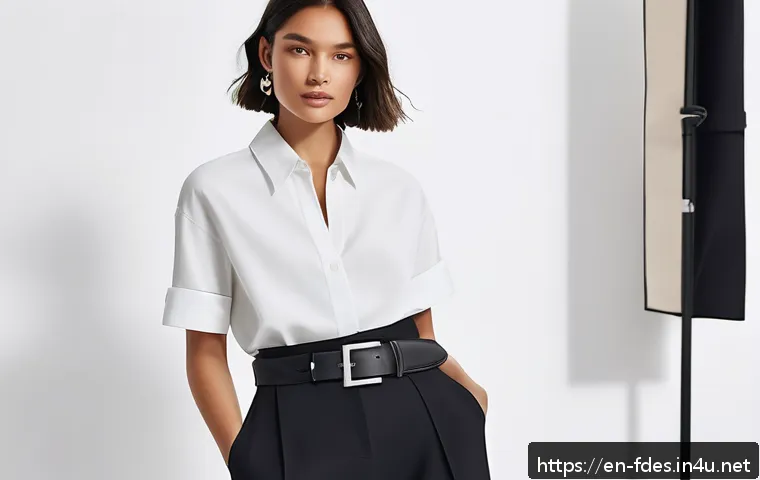
It’s refreshing because it breaks traditional fashion rules and makes classic pieces more versatile. I personally love throwing on a crisp white shirt with joggers—it’s comfortable yet polished enough for quick errands or casual meet-ups.
This approach not only revitalizes wardrobe basics but also reflects a modern lifestyle where comfort and style go hand in hand.
Playing with Unexpected Color Combinations
Breaking away from safe color choices is another hallmark of creative styling. Coordinators often combine colors that traditionally might not be paired, such as neon green with soft pastels or mustard yellow with lavender.
While initially intimidating, experimenting with these unexpected combos can result in surprisingly harmonious and eye-catching outfits. I recall wearing a cobalt blue jacket over a blush pink dress and receiving compliments throughout the day.
It’s all about balancing boldness with subtlety—perhaps a vibrant piece balanced by muted tones or accessories—to keep the look intriguing without feeling chaotic.
Transforming Basics into Statement Pieces
The ability to turn simple wardrobe staples into fashion statements is truly an art. Coordinators might add a statement belt, layer on bold jewelry, or incorporate a standout shoe to elevate a basic tee and jeans combo.
I’ve found that swapping out plain sneakers for colorful, patterned ones can completely change the vibe of an outfit. Sometimes, it’s about the silhouette—a tucked-in shirt or rolled-up sleeves can lend a fresh twist.
These small tweaks create a sense of individuality and make everyday dressing more exciting without needing an entirely new wardrobe.
Innovative Use of Accessories to Amplify Style
Stacking and Layering Jewelry
Layering jewelry has become a go-to strategy for adding personality and dimension to an outfit. Coordinators expertly mix metals, textures, and lengths to craft unique combinations.
When I tried stacking bracelets of different widths and materials, it added a playful yet sophisticated touch to my look. The key is balancing statement pieces with subtle ones so the ensemble doesn’t feel cluttered.
Mixing gold with silver, or leather with delicate chains, can break monotony and draw attention in a stylish way.
Using Scarves Beyond the Neck
Scarves are surprisingly versatile accessories that coordinators repurpose creatively. Beyond the classic neck wrap, scarves can be tied as headbands, wrapped around bags, or even fashioned into belts.
I experimented by knotting a silk scarf onto my handbag and instantly refreshed the accessory without buying anything new. This flexibility makes scarves a budget-friendly and impactful styling tool.
They introduce color, pattern, and texture effortlessly, enhancing both casual and formal outfits.
Statement Footwear as a Focal Point
Footwear often serves as the foundation of a coordinated look, and fashion coordinators know how to make shoes the star. Whether it’s bold colors, intricate patterns, or unique shapes, statement shoes can transform even the simplest outfit.
I once paired a pair of bright red ankle boots with monochrome attire, and it made the entire look pop. Coordinators also use shoes to balance proportions—chunky sneakers to tone down a flowy dress or sleek heels to elongate legs.
Investing in standout footwear pieces can be a game changer for anyone’s wardrobe.
Seasonal Styling: Adapting Trends Year-Round
Transitioning Summer Pieces into Fall
A smart coordinator knows how to extend the life of summer favorites by adapting them for fall. Think layering a floral sundress with a chunky knit cardigan or pairing sandals with cozy socks.
I personally enjoy wearing my summer skirts with tights and ankle boots as the weather cools down—it feels like a fresh outfit without extra shopping.
Incorporating autumnal colors like rust, olive, and mustard into summer pieces also helps in making the transition seamless.
Layering for Winter Warmth without Bulk
Winter styling can be challenging when trying to stay warm without sacrificing style. Coordinators master this by layering lightweight yet insulating pieces, such as thermal tops under blouses or cashmere sweaters paired with sleek coats.
I’ve found that investing in thin, warm layers allows freedom of movement and avoids the bulky, shapeless look. Accessories like gloves, hats, and scarves are also key for adding warmth and style simultaneously.
The goal is to create a cozy yet flattering silhouette that doesn’t compromise on aesthetics.
Refreshing Spring Wardrobes with Bold Prints
Spring invites an explosion of color and prints, and coordinators use this opportunity to inject vibrancy into wardrobes. Mixing floral prints with stripes or polka dots can be tricky but rewarding when done thoughtfully.
I experimented with pairing a striped blouse with a floral skirt and balanced the look with neutral shoes and accessories. The key is to anchor bold prints with solid colors to avoid overwhelming the eye.
This approach keeps spring outfits lively and fresh while maintaining cohesion.
Incorporating Sustainable Fashion Creatively
Upcycling and Customizing Vintage Finds
Sustainability is more than a trend—it’s a necessity that fashion coordinators embrace creatively. Upcycling vintage clothing by adding patches, embroidery, or altering silhouettes breathes new life into old pieces.
I once revamped a thrifted denim jacket with colorful patches and distressing, making it a unique statement item. This approach not only reduces waste but also fosters individuality.
Coordinators often scout secondhand shops for hidden gems and transform them into runway-worthy looks.
Mixing High-End with Eco-Friendly Brands
Blending luxury with sustainable fashion is a growing practice among fashion insiders. Wearing a high-end designer coat with a recycled fabric tote or eco-friendly shoes showcases a commitment to style and ethics.
I personally appreciate how these pairings balance prestige with purpose, sending a message without sacrificing sophistication. This mix-and-match strategy encourages consumers to be mindful about their purchases while still enjoying the thrill of fashion.
Promoting Slow Fashion Through Thoughtful Styling
Slow fashion emphasizes quality over quantity, and coordinators reflect this by creating versatile outfits that maximize each piece’s potential. I try to style my wardrobe so that each item can be worn multiple ways—dressing up a simple blouse for work or down for weekends.
This mindset reduces impulse buying and fosters appreciation for craftsmanship. Coordinators often share tips on caring for garments and combining them innovatively to extend their lifespan and impact.
Fashion Forward: Experimenting with Bold Prints and Patterns
Clashing Prints with Confidence
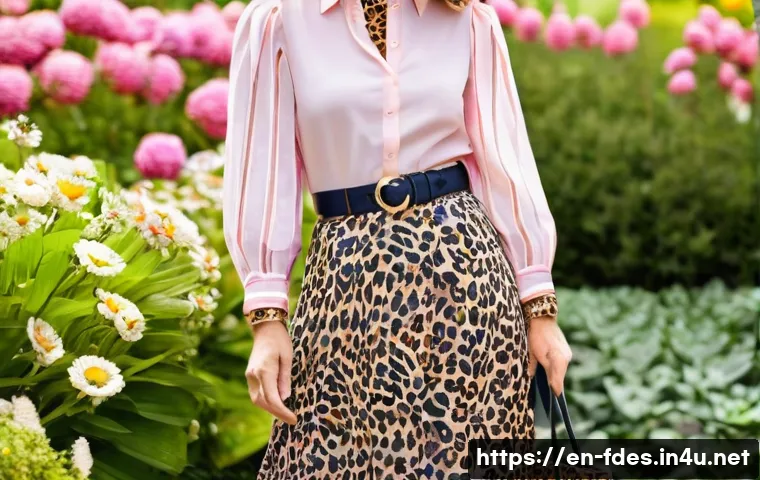
Bold print mixing is a daring yet rewarding technique that coordinators use to create eye-catching looks. Pairing animal prints with florals or geometric shapes with abstract patterns can be intimidating but results in standout outfits.
I remember trying a leopard print skirt with a striped blouse, and despite initial doubts, the ensemble felt vibrant and modern. The secret is to find a unifying element—like a shared color or complementary scale—to keep the look cohesive rather than chaotic.
Using Patterns to Highlight Body Features
Strategic use of patterns can emphasize or downplay certain body areas. Vertical stripes elongate, while larger prints draw attention to focal points.
Coordinators understand how to place patterns thoughtfully to enhance confidence and comfort. When I wore a dress with a bold print concentrated at the waist, it created a flattering hourglass illusion.
This knowledge allows stylists to tailor looks that celebrate individuality and body positivity.
Incorporating Patterns into Minimalist Wardrobes
Even minimalist wardrobes can benefit from a splash of pattern. Coordinators often add subtle patterned pieces like pinstripe shirts or polka dot scarves to break monotony.
I’ve added a leopard print belt to my black-and-white collection, injecting just enough personality without overwhelming simplicity. This technique maintains a clean aesthetic while introducing playful elements, making the wardrobe feel fresh and versatile.
| Styling Technique | Example | Impact |
|---|---|---|
| Layering Textures | Cashmere sweater + leather jacket | Creates depth and visual interest |
| Mixing Formal and Casual | Blazer + distressed jeans | Modernizes classic pieces for versatility |
| Stacking Jewelry | Thin chains + chunky pendant | Adds dimension and personality |
| Seasonal Transition | Floral dress + knit cardigan | Extends wardrobe usability |
| Upcycling Vintage | Patchwork denim jacket | Unique, sustainable statement |
| Clashing Prints | Leopard skirt + striped blouse | Bold and fashion-forward |
Conclusion
Mastering layering and creative styling opens up endless possibilities to express individuality while staying practical and fashionable. Through balancing textures, colors, and accessories, anyone can transform simple pieces into dynamic outfits. Embracing unexpected pairings and sustainable choices not only refreshes your wardrobe but also aligns with modern style values. With these insights, fashion becomes a fun, personalized journey rather than a rigid set of rules.
Useful Tips to Remember
1. Mix different textures like leather and cashmere to add depth and keep your outfit visually interesting.
2. Experiment with color combinations using seasonal palettes or the color wheel to create harmony or bold contrasts.
3. Use layered accessories such as stacked necklaces or scarves tied in unique ways to complete your look effortlessly.
4. Extend your wardrobe’s versatility by blending formal and casual items or transitioning summer pieces into fall with simple layering.
5. Incorporate sustainable fashion by upcycling vintage finds and mixing eco-friendly brands with your existing collection.
Key Takeaways for Stylish Success
Effective layering is about combining complementary textures and colors to add dimension without bulk. Accessorizing thoughtfully enhances your outfit’s personality without overwhelming it. Don’t hesitate to mix formal and casual elements for a modern, versatile look that suits everyday life. Seasonal adaptability keeps your wardrobe fresh and functional year-round. Lastly, embracing sustainability through creative styling not only benefits the environment but also sets you apart with unique, meaningful fashion choices.
Frequently Asked Questions (FAQ) 📖
Q: What skills are essential for a fashion coordinator to create unique and stylish looks?
A: A fashion coordinator needs a keen eye for detail and a strong sense of color theory to effectively mix and match pieces. Creativity is key, along with an understanding of current trends and timeless styles.
They also benefit from excellent communication skills to understand a client’s personality and preferences, enabling them to tailor looks that feel personal and authentic.
Experience with textures, layering, and accessorizing helps turn ordinary outfits into standout ensembles.
Q: How do fashion coordinators stay inspired and keep their styling fresh?
A: Fashion coordinators often draw inspiration from a variety of sources including runway shows, street style, art, and culture. They stay updated by following fashion weeks, reading industry publications, and engaging with social media trends.
Many also experiment with vintage pieces or unexpected combinations to push boundaries. Personally, I’ve found that stepping outside the fashion bubble, like exploring nature or different music scenes, can spark fresh ideas that translate into innovative styling.
Q: Can fashion coordination work for everyday people, or is it only for professionals and celebrities?
A: Absolutely, fashion coordination is for everyone! While professionals might work with high-end brands, the principles of styling—like balancing colors, playing with textures, and accessorizing—can elevate any wardrobe.
I’ve seen friends transform their daily outfits by simply layering differently or adding statement accessories. The goal is to express your personality and feel confident in what you wear, no matter your lifestyle or budget.
It’s about making fashion fun and personal, not just following rules.