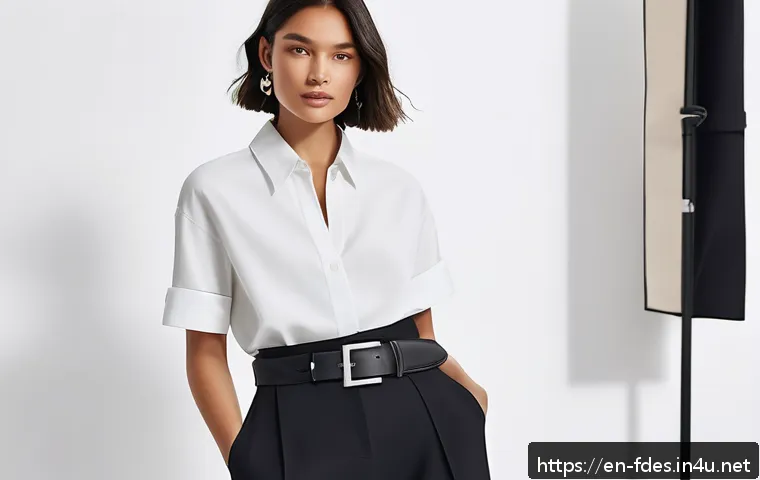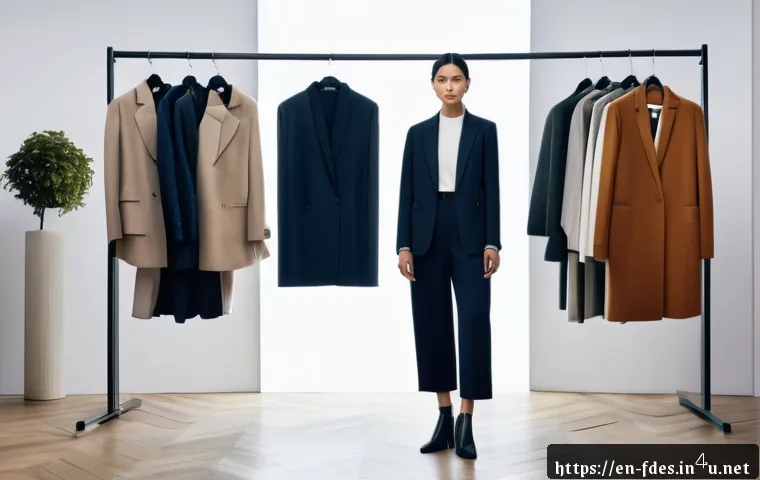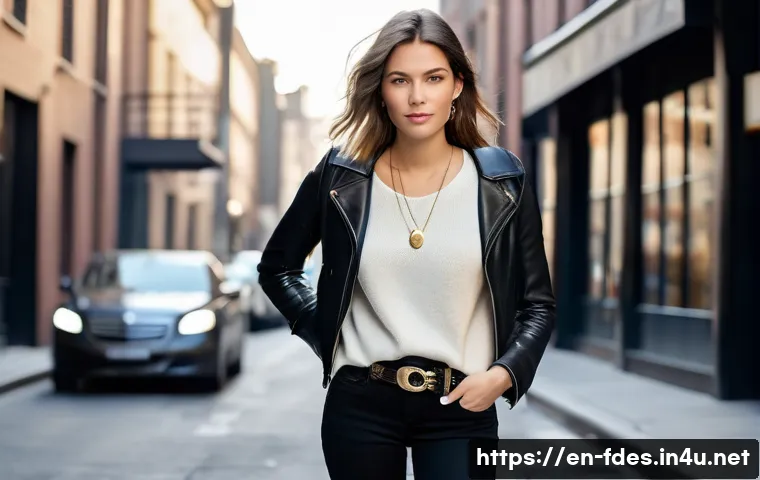
Fashion coordinators know that style isn’t one-size-fits-all—regional influences shape the way people dress in fascinating ways. From the laid-back vibes of West Coast streetwear to the polished elegance often seen in European cities, local culture, climate, and history all play crucial roles.
These subtle and sometimes bold differences create a rich tapestry that fashion professionals must understand to curate outfits that truly resonate. Whether it’s adapting trends to suit urban hustle or embracing traditional elements in rural settings, the diversity is endless.
Let’s dive deeper and explore how fashion coordination varies across different regions to master the art of localized style. I’ll break it down clearly for you!
Urban Edge: Navigating City Style Dynamics
Streetwear as a Cultural Expression
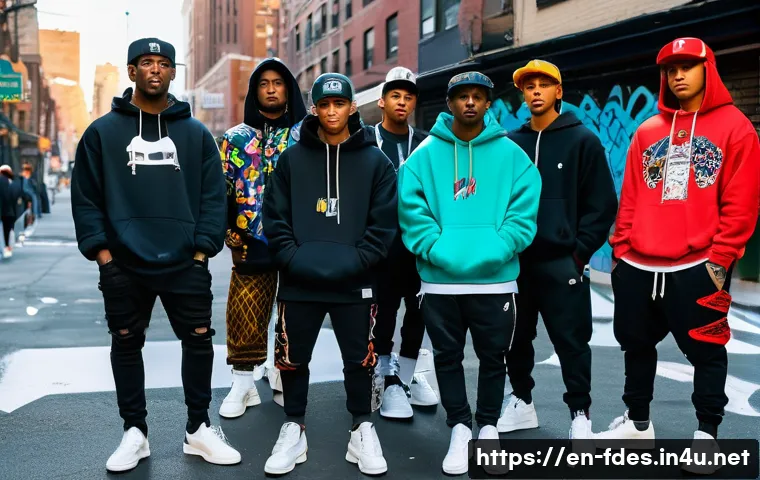
In bustling metropolitan areas, streetwear is more than just clothing—it’s a powerful statement of identity and community. Walking through neighborhoods in cities like New York or Tokyo, you’ll notice how local youth incorporate hip-hop influences, sneaker culture, and graphic prints to create outfits that speak to their environment.
From oversized hoodies paired with statement sneakers to layering that balances comfort and style, city dwellers often embrace a look that’s both practical and visually striking.
I’ve personally seen how a simple accessory like a baseball cap or chain can instantly tie together an urban outfit, reflecting the wearer’s personality and social scene.
This style thrives on constant evolution, with trends emerging rapidly but always rooted in the city’s cultural pulse.
Balancing Functionality and Fashion
City life demands clothing that can handle everything from unpredictable weather to long commutes, all while looking sharp. For example, layering is essential—think lightweight jackets over breathable tees, coupled with versatile footwear that can transition from day to night.
My experience coordinating for clients in cities with varied climates, like London, has taught me the importance of selecting pieces that marry fashion with function.
Weather-resistant fabrics, waterproof shoes, and adaptable accessories help urbanites stay stylish without sacrificing comfort. This balance is often a defining trait of metropolitan fashion, where every outfit must be ready for a spontaneous meeting or a casual stroll through the park.
Influence of Local Subcultures
Every city harbors its own subcultures, and these groups heavily influence local fashion trends. In Los Angeles, for instance, the skateboarding community’s laid-back, loose-fitting styles have permeated mainstream streetwear, while in Paris, you’ll find a strong presence of minimalism and chic tailoring inspired by the art scene.
I recall working with a client who was inspired by Berlin’s underground techno culture—his wardrobe reflected dark tones, utilitarian cuts, and experimental layering that perfectly captured that vibe.
Understanding these nuances allows fashion coordinators to tailor looks that resonate deeply with the wearer’s environment and lifestyle.
Climate’s Command: Dressing for Weather Realities
Warm Climates and Breathable Fabrics
Regions with hot, humid weather call for a very different wardrobe strategy compared to cooler zones. Natural fibers like linen and cotton become staples, offering breathability and comfort.
In places like Miami or Dubai, I’ve noticed how locals favor loose silhouettes and light colors to combat the heat. Incorporating sun-protective accessories such as wide-brim hats or UV-blocking sunglasses is also common.
Coordinating outfits in these climates means prioritizing airflow and moisture-wicking properties while still keeping the look fresh and stylish enough for social or professional settings.
Layering for Cold and Variable Weather
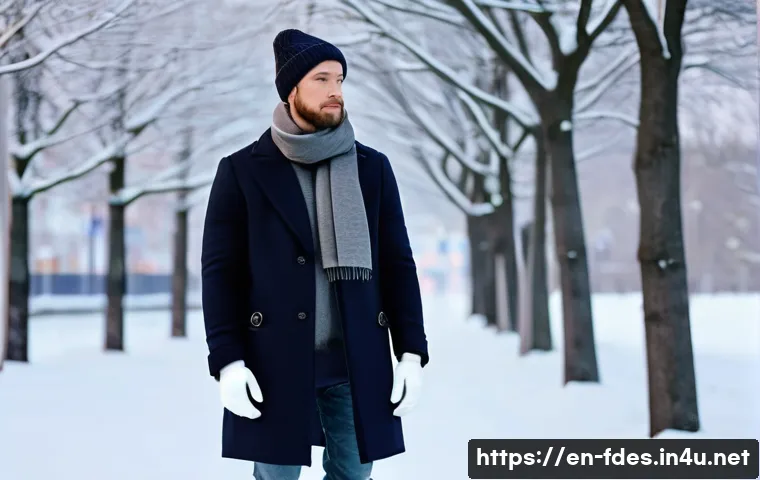
Cold climates, such as those in Scandinavia or parts of Canada, demand a sophisticated approach to layering that doesn’t sacrifice style for warmth. I’ve personally seen how combining thermal underlayers with statement outerwear—like oversized wool coats or sleek parkas—creates an outfit that’s both functional and fashion-forward.
Accessories like scarves, gloves, and beanies add texture and color, often becoming focal points of the ensemble. The challenge lies in blending these practical pieces seamlessly, so the wearer looks polished without appearing bulky or over-prepared.
Transitional Weather and Versatility
Regions experiencing frequent weather shifts, such as the Pacific Northwest or parts of the UK, require flexible wardrobes. Here, items that can easily be added or removed are key—think lightweight rain jackets, convertible pants, and shoes that handle both wet and dry conditions.
From my experience, coordinating for these climates involves selecting adaptable staples that can carry someone from a sunny morning to a rainy afternoon without fuss.
This versatility is crucial for urban professionals or outdoor enthusiasts who need their outfits to perform under changing conditions.
Heritage Threads: Embracing Tradition in Modern Fashion
Incorporating Cultural Fabrics and Patterns
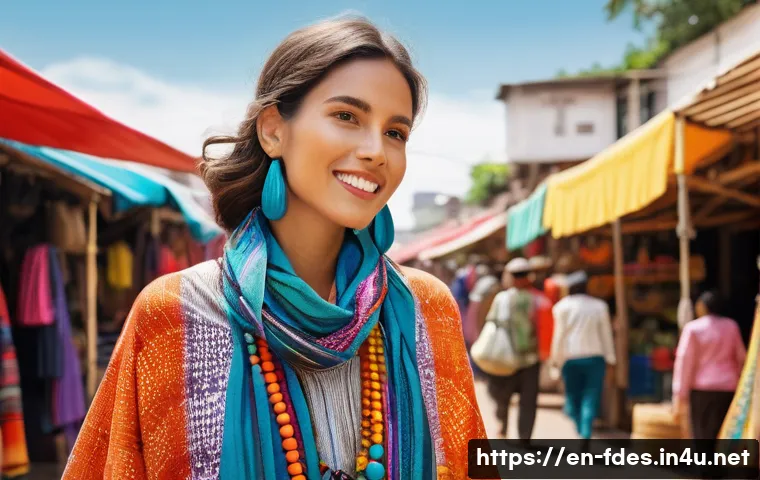
Traditional textiles and patterns provide a rich source of inspiration for fashion coordinators aiming to honor heritage while staying contemporary. In regions like West Africa or South America, vibrant prints and handcrafted fabrics are often woven into everyday fashion, offering a colorful contrast to globalized trends.
I’ve had the privilege of styling clients who wanted to blend these traditional elements with modern cuts, creating a look that respects their roots yet feels current and wearable.
This fusion often results in standout outfits that tell a story beyond just aesthetics.
Modernizing Classic Silhouettes
Traditional garments such as the kimono, sari, or dashiki have influenced global fashion, but adapting them for today’s context requires creativity. For instance, pairing a classic sari drape with a contemporary blouse or incorporating kimono sleeves into a streetwear-inspired jacket can offer fresh takes that feel both respectful and innovative.
Through my work, I’ve learned that the key is balancing authenticity with practicality, allowing clients to express cultural pride without feeling confined to outdated styles.
Celebrating Festivals and Ceremonies Through Fashion
Special occasions often highlight regional fashion differences vividly. Coordinating outfits for festivals or ceremonies means understanding the symbolism behind colors, fabrics, and accessories.
For example, red is auspicious in many Asian cultures and is often incorporated into wedding attire, while in some Middle Eastern regions, intricate embroidery denotes status or celebration.
I recall helping a client prepare for a cultural wedding and carefully selecting pieces that honored these traditions while ensuring comfort and style throughout the event.
This sensitivity to cultural significance is essential for meaningful fashion coordination.
Casual Cool: Regional Variations in Everyday Wear
Relaxed Coastal Styles
Coastal regions often embrace a more relaxed, beach-inspired aesthetic. In places like California or the Mediterranean, casual wear tends to be light, airy, and effortless—think breezy dresses, linen shirts, and sandals.
I’ve noticed that this style prioritizes comfort but never at the expense of looking polished. Accessories like straw hats and tote bags complete the vibe, making it easy for locals and visitors alike to transition from seaside strolls to casual gatherings seamlessly.
Urban Casual with a Twist
In major cities, casual wear often incorporates subtle trends or designer touches that elevate simple pieces. For instance, a plain tee might be paired with high-end sneakers or a statement belt to add flair.
From my personal observations in cities like Chicago or Berlin, casual outfits here are about mixing basics with unique accents that reflect individual style.
This approach keeps the look fresh and prevents casual wear from becoming dull or predictable.
Sporty Influences in Daily Dressing
Athleisure has become a global phenomenon, but its expression varies regionally. In Australia and New Zealand, for example, sporty elements are integrated into everyday outfits with a focus on functionality and outdoor readiness.
From moisture-wicking fabrics to versatile sneakers, the emphasis is on practicality without losing style. I’ve coordinated wardrobes for clients who appreciate this blend, especially those with active lifestyles, ensuring their outfits move with them from workouts to social events effortlessly.
Fashion Forward: How Innovation Shapes Regional Trends
Technology and Smart Fabrics
Certain regions lead in adopting technological advancements in fashion. Cities like Seoul and San Francisco are hotbeds for innovation, where smart fabrics that regulate temperature or resist stains are becoming mainstream.
From my firsthand experience working with tech-savvy clients, incorporating these materials adds a futuristic edge without compromising style. It’s exciting to see how fashion coordinators can blend cutting-edge functionality with aesthetic appeal, especially for professionals who demand high-performance clothing.
Sustainability as a Regional Priority
Sustainability is influencing fashion choices globally, but some regions have embraced this movement more vigorously. Scandinavian countries, for instance, emphasize eco-friendly materials and ethical production.
I’ve found that coordinating for clients who prioritize sustainability involves sourcing brands committed to transparency and durability. This approach not only supports environmental goals but also encourages investing in timeless pieces that transcend fleeting trends.
Local Designers Driving Unique Trends
Regional fashion often gets a boost from local designers who reinterpret global styles through a cultural lens. Cities like Milan, Tokyo, and Lagos are hubs where creativity flourishes, producing collections that inspire worldwide trends.
Collaborating with these designers or incorporating their pieces into wardrobes allows fashion coordinators to offer clients something truly distinctive.
It’s a thrilling experience to watch these regional influences ripple outward, shaping the broader fashion landscape.
| Region | Key Style Traits | Climate Influence | Popular Fabrics | Notable Accessories |
|---|---|---|---|---|
| West Coast USA | Laid-back, streetwear-heavy, casual layering | Warm, mild winters, dry summers | Cotton, denim, breathable synthetics | Baseball caps, chunky sneakers, backpacks |
| European Cities | Polished, minimalist, tailored | Varied; often cooler and wetter | Wool, linen, leather | Scarves, structured bags, loafers |
| Scandinavia | Functional, sustainable, layered | Cold, long winters | Wool, recycled fibers, technical fabrics | Beanies, insulated boots, minimal jewelry |
| South America | Vibrant, patterned, culturally rich | Tropical to temperate | Handwoven cotton, bright prints | Colorful shawls, handcrafted jewelry |
| East Asia | Innovative, tech-driven, sleek | Varied; humid summers, cold winters | Smart textiles, silk, synthetics | Minimalist hats, tech accessories |
Footwear Focus: Regional Variations in Shoe Style
Urban Sneakers and Their Subcultural Roots
Sneakers have transcended their athletic origins to become symbols of urban identity worldwide. In cities like New York or Seoul, sneaker culture is deeply embedded in fashion, with limited editions and collaborations driving the market.
From my perspective, the choice of sneakers often signals affiliation to certain groups or trends, whether it’s skate culture, hip-hop, or high fashion.
Coordinating footwear means understanding these nuances and pairing shoes with outfits that enhance the overall vibe without overshadowing it.
Traditional Footwear in Modern Contexts
Many regions maintain traditional footwear styles that have been adapted for contemporary use. For example, Moroccan babouches or Indian juttis are often paired with modern outfits to add cultural flair.
I’ve found that integrating these styles requires sensitivity to occasion and outfit balance. When done right, traditional shoes become conversation starters and elevate the outfit’s uniqueness.
Weather-Driven Footwear Choices
Climate heavily influences shoe selection. Rainy or snowy regions favor waterproof boots and insulated designs, while hot climates lean toward sandals and breathable options.
I recall coordinating for clients in Seattle, where water-resistant shoes and layered socks were a must, versus those in Barcelona who preferred open-toe shoes for comfort.
Footwear coordination, therefore, must align perfectly with both style and environmental demands.
Color Stories: Regional Preferences and Symbolism
Bright and Bold Versus Muted and Minimal
Color preferences vary widely by region and culture. Tropical areas often embrace vivid hues that reflect their vibrant surroundings, while northern European countries tend to favor muted, earthy palettes.
From my styling experience, choosing the right color story is crucial—it affects not only aesthetic appeal but also how the wearer is perceived socially.
Bright colors can express confidence and joy, whereas subdued tones suggest sophistication and restraint.
Seasonal Color Trends and Their Regional Shifts
While global fashion calendars dictate seasonal colors, regional climates influence how these palettes are adopted. For example, pastel shades might dominate spring collections in Paris, but in warmer climates, these colors might be worn year-round.
I’ve noticed how clients in tropical regions prefer lighter fabrics and colors even in colder months, which means adapting trend colors to fit local realities is key to successful coordination.
Symbolic Meanings and Cultural Significance
Colors carry different symbolic meanings across cultures. Red might signify luck in some Asian countries but caution or danger elsewhere. Coordinating with an awareness of these meanings ensures outfits are not just stylish but culturally appropriate.
I always take the time to understand these nuances with clients, especially when preparing them for international events or multicultural environments.
Accessorizing Across Borders: The Final Touch
Local Craftsmanship and Handmade Details
Accessories often showcase regional craftsmanship, from hand-beaded jewelry in Africa to intricate lacework in Europe. Incorporating these pieces adds depth and authenticity to outfits.
I’ve enjoyed sourcing handmade accessories for clients who want to highlight their connection to a place or culture, creating looks that feel personalized and rich in story.
Practical Accessories for Daily Life
In some regions, accessories are chosen for practicality as much as style. Sunglasses with UV protection in sunny climates, or multifunctional scarves that double as head coverings, illustrate this blend.
Based on my observations, these practical touches often become signature elements of local fashion, offering inspiration for versatile styling.
Statement Pieces and Minimalist Accents
Whether it’s a bold necklace in Lagos or a sleek watch in Tokyo, accessories can either dominate or subtly enhance an outfit. The regional tendency toward maximalism or minimalism affects how fashion coordinators approach these final touches.
I’ve learned to read these cues carefully, ensuring accessories complement rather than compete with the overall look.
In Conclusion
Urban fashion is a vibrant tapestry woven from cultural influences, climate demands, and personal expression. Navigating city style means balancing practicality with creativity, embracing tradition while pushing innovation. Through understanding regional nuances and individual lifestyles, fashion becomes a dynamic dialogue between the wearer and their environment. This ongoing evolution keeps city style fresh, relevant, and deeply meaningful.
Useful Information to Keep in Mind
1. Streetwear reflects more than trends—it expresses identity and community ties within urban spaces.
2. Functional layering is essential for city dwellers facing unpredictable weather and busy schedules.
3. Regional subcultures heavily shape local fashion, offering unique styles that resonate with the environment.
4. Climate influences fabric choices and outfit construction, demanding versatility and comfort.
5. Accessories and footwear complete looks by blending practicality with cultural and stylistic significance.
Key Takeaways
Understanding city style dynamics requires recognizing how culture, climate, and innovation intersect in fashion choices. Successful coordination balances comfort and aesthetics, respects heritage, and adapts to evolving trends. Paying attention to local nuances—whether in color symbolism, fabric selection, or accessory use—ensures outfits are not only stylish but meaningful and functional for everyday urban life.
Frequently Asked Questions (FAQ) 📖
Q: How do regional climates influence fashion coordination?
A: Climate plays a huge role in shaping regional fashion choices. For example, in warmer areas like Southern California, lightweight fabrics, breathable materials, and relaxed fits dominate because people need comfort in the heat.
Meanwhile, in colder regions like Northern Europe, layering with thicker textiles, scarves, and coats becomes essential. From my experience working with clients in different climates, adapting outfit choices to weather isn’t just practical—it also defines the region’s unique style identity.
Q: What cultural factors should fashion coordinators consider when working with diverse regions?
A: Cultural influences are often deeply embedded in fashion, reflecting traditions, social norms, and history. For instance, in cities like Paris or Milan, there’s an emphasis on timeless elegance and subtle luxury, which echoes centuries of fashion heritage.
Conversely, urban streetwear scenes in cities like New York or Tokyo embrace boldness and innovation, mirroring dynamic youth culture. Understanding these nuances helps coordinators create looks that resonate authentically, rather than imposing generic trends that might clash with local sensibilities.
Q: How can fashion coordinators balance global trends with local style preferences?
A: Striking the right balance between global trends and local tastes is an art. I’ve found that the best approach is to identify the core elements of a trend and then adapt them to fit local aesthetics, climate, and cultural values.
For example, a popular oversized jacket might be tailored with lighter fabrics or paired with traditional accessories depending on the region. This way, the look feels fresh and modern but also grounded in the local context, which makes it more appealing and wearable for the audience.