Diving into the world of fashion coordination reveals an exciting blend of creativity, strategy, and hands-on experience. From selecting the perfect outfit combinations to managing client expectations, every project offers unique challenges and learning opportunities.
Having witnessed how real-world projects push coordinators to adapt and innovate, I can say it’s an incredible journey of growth. Whether working on editorial shoots, runway shows, or personal styling, the skills gained are invaluable.
Let’s explore the ins and outs of a fashion coordinator’s on-the-ground project experience in detail!
Mastering the Art of Styling Under Pressure
Balancing Creativity with Client Expectations
One of the toughest parts of on-site fashion coordination is juggling your own creative vision with what the client actually wants. I remember a shoot where the client demanded a very traditional look, but my gut told me to push boundaries with some unexpected accessories.
Instead of outright refusing, I proposed subtle tweaks that kept the core concept intact while adding a fresh twist. This approach not only earned their trust but also elevated the final images.
It taught me that flexibility and diplomacy are just as important as creativity in real-world projects.
Time Management When Every Minute Counts
The clock is always ticking during fashion shoots or events, and delays can throw off the entire schedule. I’ve learned that prepping outfits, accessories, and backup options ahead of time is crucial.
During a runway show I coordinated, a last-minute wardrobe malfunction could have been disastrous, but because I had duplicates and a quick fix kit on hand, we handled it smoothly.
This kind of on-the-fly problem-solving only comes from experience, and it’s what separates good coordinators from great ones.
Collaborating Seamlessly with the Entire Team
Fashion coordination never happens in isolation. From photographers and makeup artists to designers and models, it’s a team effort. I’ve found that clear communication and mutual respect go a long way.
For example, during an editorial shoot, I made it a point to check in regularly with the makeup artist to ensure the styling complemented the overall mood.
These small but consistent interactions prevent misunderstandings and foster a positive, productive environment.
Navigating Wardrobe Challenges in Dynamic Environments
Adapting to Weather and Location Constraints
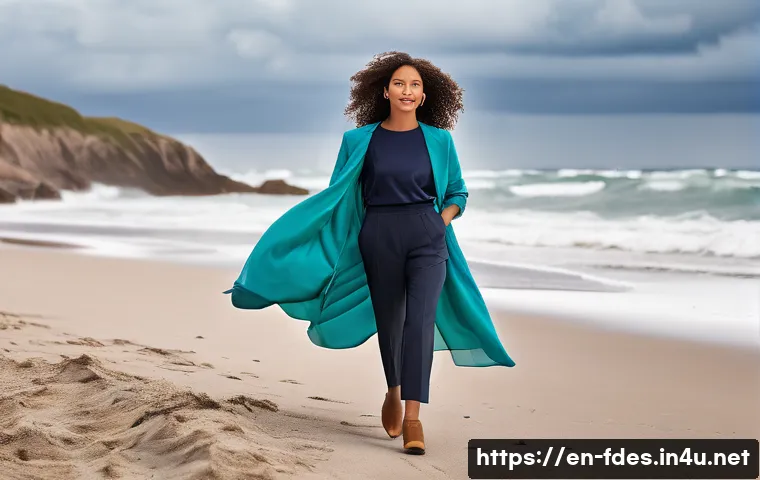
Outdoor shoots bring a unique set of challenges. I once worked on a beach campaign where the unpredictable weather meant constantly adjusting outfit choices.
Lightweight fabrics that looked perfect under studio lights suddenly became impractical under strong winds or unexpected rain. Learning to anticipate these factors and having backup options ready saved the day.
It’s a reminder that flexibility and preparedness are vital in fashion coordination beyond the controlled studio setting.
Handling Size and Fit Issues Efficiently
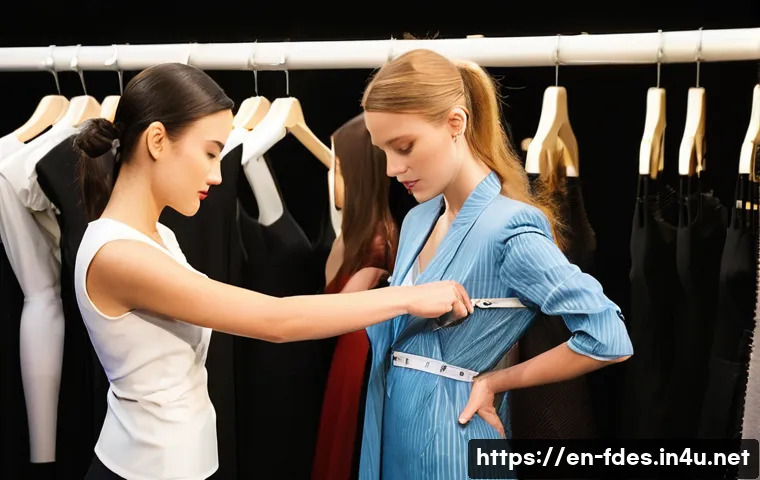
When working with multiple models, size discrepancies and fit issues are inevitable. I recall a scenario where a designer’s sample sizes didn’t match the models booked for a lookbook shoot.
Instead of panicking, I quickly coordinated with the tailor on-site to make alterations. Keeping a reliable network of alteration specialists and having basic sewing skills are real lifesavers.
This experience reinforced the importance of adaptability and problem-solving skills in fast-paced environments.
Maintaining Garment Integrity Throughout the Day
Ensuring every piece stays pristine from the first fitting to the last shot is no small feat. I’ve personally seen how a single scuff or wrinkle can ruin a carefully curated look.
That’s why I always bring a small emergency kit—lint rollers, mini irons, stain removers, and garment bags. These tools might seem minor, but they make a huge difference in maintaining professionalism and the overall quality of the final presentation.
Effective Communication: The Backbone of Successful Coordination
Setting Clear Expectations with Clients and Designers
One lesson I’ve learned is that miscommunication can derail even the best-laid plans. At the start of each project, I prioritize detailed briefings with clients and designers to align on vision, timelines, and deliverables.
This upfront transparency helps avoid surprises and builds trust. During a recent campaign, this clarity meant fewer revisions and a smoother workflow, proving how essential early conversations are.
Giving and Receiving Constructive Feedback
Feedback is a two-way street in fashion coordination. I recall moments when I needed to diplomatically suggest changes to a designer’s concept to better suit the model or setting.
Likewise, I’ve benefited from feedback on my styling choices, which helped me grow professionally. Encouraging open dialogue not only improves the current project but also strengthens long-term relationships within the industry.
Utilizing Technology for Real-Time Updates
In today’s fast-paced fashion world, staying connected is key. I use apps and group chats to share instant updates on outfit changes, schedule shifts, or urgent needs.
This real-time communication reduces confusion and keeps everyone on the same page. For example, during a multi-location shoot, this digital coordination allowed us to adapt quickly when delays occurred, minimizing downtime and stress.
Building a Reliable Toolkit for On-Site Success
Essential Equipment Every Coordinator Should Carry
From my experience, having the right tools on hand can make or break a project. Apart from the usual emergency kit, I always carry extra hangers, safety pins, double-sided tape, and stain removers.
These items help tackle unexpected wardrobe mishaps instantly. Over time, I’ve customized my kit based on past incidents, which means I’m always prepared for nearly any scenario.
Organizing Outfits for Maximum Efficiency
Organization is more than neatness; it’s about workflow. I group outfits by sequence and label everything clearly. This system saves precious time during quick changes and reduces stress for models and stylists.
At a recent fashion week, this method allowed us to breeze through rapid outfit rotations without confusion, making the entire process smoother and more enjoyable for everyone involved.
Maintaining a Calm and Positive Attitude
The pressure can be intense, but staying calm helps everyone perform better. I’ve learned to keep a positive tone even when things go wrong, whether it’s a missing accessory or a delayed schedule.
This attitude reassures the team and keeps morale high. Remember, a fashion coordinator’s role includes being the emotional anchor on set, helping to transform chaos into creative magic.
Understanding Client Dynamics and Delivering Tailored Solutions
Customizing Looks Based on Client Personality
No two clients are alike, and tailoring styles to fit their personality is crucial. For instance, I once worked with a client who was hesitant about bold colors.
Instead of pushing trends, I introduced subtle patterns and textures that matched their comfort zone but still felt fresh. This personalized approach makes clients feel understood and confident, which ultimately reflects in the final outcome.
Managing Budget Constraints Creatively
Budgets can be tight, but creativity doesn’t have to suffer. I’ve often sourced budget-friendly alternatives that maintain a high-end look. For example, mixing high-street pieces with luxury accessories can create a balanced and polished ensemble without breaking the bank.
This skill not only satisfies clients but also showcases resourcefulness, a must-have trait for any fashion coordinator.
Building Long-Term Client Relationships
Delivering excellent results is just the start; nurturing ongoing relationships is key to career longevity. I make it a point to follow up with clients after projects, seeking feedback and offering styling tips.
This continuous engagement turns one-time gigs into repeat collaborations and referrals. From my perspective, strong client rapport is one of the most rewarding parts of this profession.
Key Elements of Project Workflow in Fashion Coordination
Planning and Pre-Production Stages
Before stepping onto the set, thorough planning is essential. This includes mood boards, sourcing outfits, and scheduling fittings. In my experience, the more detailed the pre-production, the smoother the actual shoot goes.
It’s a chance to anticipate challenges and align the team on the creative vision, reducing last-minute surprises.
On-Site Execution and Real-Time Adjustments
Once on location, the ability to think quickly is tested. Unexpected changes like lighting shifts or model preferences require immediate outfit tweaks.
I recall a day when a last-minute model swap meant reworking looks on the fly, but staying calm and focused helped us deliver without compromising quality.
These moments highlight the importance of experience and adaptability.
Post-Production Follow-Up and Feedback Integration
After wrapping up, reviewing the project and gathering feedback is invaluable. It helps identify what worked well and areas for improvement. Personally, I keep notes on each project to refine my approach continuously.
This habit has made me more efficient and better prepared for future challenges.
| Project Phase | Key Activities | Challenges | Best Practices |
|---|---|---|---|
| Planning & Pre-Production | Mood boards, outfit sourcing, scheduling fittings | Aligning vision, anticipating issues | Detailed briefs, early team communication |
| On-Site Execution | Outfit styling, quick adjustments, team coordination | Time pressure, last-minute changes | Preparedness, calm problem-solving, clear communication |
| Post-Production | Review, feedback collection, documentation | Identifying improvement areas | Open feedback culture, continuous learning |
Leveraging Personal Experience to Elevate Coordination Skills
Learning Through Trial and Error
No amount of theoretical knowledge compares to hands-on experience. I vividly recall early projects where I underestimated timing or overlooked minor details, resulting in last-minute scrambles.
These mistakes were tough but invaluable lessons. Over time, each challenge shaped my instincts and sharpened my ability to anticipate problems before they arise.
Building Confidence Through Successful Outcomes
Every well-executed project builds confidence, not just in styling but in leadership and decision-making. One particularly memorable campaign went off without a hitch despite complex logistics.
That success boosted my self-assurance and reinforced the importance of preparation and teamwork. Confidence translates into smoother communication and a more authoritative presence on set.
Continuously Updating Industry Knowledge
Fashion is ever-evolving, and staying current is non-negotiable. I make it a habit to attend industry events, follow emerging trends, and connect with peers.
This ongoing education informs my styling choices and client recommendations. Combining fresh insights with practical experience creates a dynamic approach that clients appreciate and trust.
In Conclusion
Mastering fashion coordination under pressure requires a blend of creativity, adaptability, and clear communication. Drawing from real-world experiences helps build confidence and problem-solving skills essential for success. Staying organized and maintaining a positive attitude are key to navigating challenges smoothly. Ultimately, balancing client needs with your expertise leads to outstanding results and lasting professional relationships.
Useful Tips to Keep in Mind
1. Always prepare backup outfits and emergency kits to handle unexpected issues on set.
2. Maintain open and frequent communication with the entire team to ensure smooth collaboration.
3. Customize styling choices to align with the client’s personality and budget constraints.
4. Use technology like group chats or apps to share real-time updates and avoid miscommunication.
5. Continuously learn from each project to refine your workflow and stay ahead in the fast-paced fashion industry.
Key Takeaways for Effective Fashion Coordination
Successful fashion coordination hinges on meticulous planning, flexibility, and teamwork. Prioritizing early client briefings and detailed pre-production helps avoid last-minute surprises. On-site, staying calm and resourceful under time pressure ensures quality results. Post-project feedback is vital for growth and continuous improvement. Above all, building strong client relationships through personalized styling and professional communication lays the foundation for long-term success.
Frequently Asked Questions (FAQ) 📖
Q: What are the key challenges a fashion coordinator faces during on-the-ground projects?
A: One of the biggest challenges is balancing creativity with practicality. For example, you might envision a stunning outfit combination, but budget constraints or client preferences require quick adjustments.
Also, managing last-minute changes—like wardrobe malfunctions or weather issues during outdoor shoots—tests your problem-solving skills. From my experience, staying calm and flexible is essential because the unexpected is part of the job, and your ability to adapt can make or break the project’s success.
Q: How does working on different types of projects, like editorial shoots versus runway shows, impact a fashion coordinator’s approach?
A: Each setting demands a unique mindset. Editorial shoots often allow more room for artistic expression, where you can experiment with bold styling and storytelling through fashion.
On the other hand, runway shows require meticulous timing and coordination—every outfit change must happen seamlessly under pressure. Personally, I’ve found runway projects sharpened my organizational skills and attention to detail, while editorial work boosted my creative confidence.
Both experiences complement each other and build a well-rounded skill set.
Q: What practical skills can one expect to develop through hands-on experience as a fashion coordinator?
A: Beyond a sharp eye for style, you’ll gain invaluable skills like client communication, time management, and crisis handling. For instance, negotiating with designers or vendors teaches you diplomacy, while coordinating a team under tight deadlines enhances leadership.
From my time on various projects, I noticed these soft skills are just as crucial as fashion knowledge because they keep the entire process smooth and professional.
Plus, mastering logistics—like organizing fittings and tracking inventory—becomes second nature, which is a huge asset in this fast-paced industry.