Hey there, fashion lovers! Ever found yourself staring at a closet bursting with clothes, yet feeling like you have absolutely nothing to wear, all while your bank account quietly sighs?
Trust me, I’ve been there, and as a fashion coordinator, I see so many incredible individuals wrestling with this exact dilemma. It feels like we’re constantly bombarded with new trends, making it tough to stay chic without constantly shelling out cash, especially in our fast-paced world.
But here’s the exciting truth I’ve discovered and shared with countless clients: mastering your fashion budget isn’t about sacrificing style or settling for less.
It’s about making smarter, more intentional choices—embracing everything from savvy thrifting to building a versatile capsule wardrobe and investing in quality pieces that genuinely stand the test of time.
Ready to transform your relationship with your wardrobe and your wallet? Let’s dive deep into how you can achieve that stylish, sustainable, and surprisingly affordable look you’ve always dreamed of.
Alright, fashion lovers, it’s truly a thrill to share some of my absolute favorite insider tips and strategies for looking amazing without constantly draining your bank account.
As a fashion coordinator, I’ve had the pleasure of working with so many incredible people who want to look chic, stay on trend, and feel great in their clothes, but also feel the pinch of endless spending.
The good news? It’s totally possible to marry style with savings, and honestly, it’s even more rewarding when you do. Let’s dive into how you can build a wardrobe that makes you feel like a million bucks, even when you’re spending a fraction of that.
Forget the idea that you need to buy something new for every occasion. We’re talking about smart moves, intentional choices, and truly understanding what works for you.
Curating Your Closet: The Foundation of Smart Spending
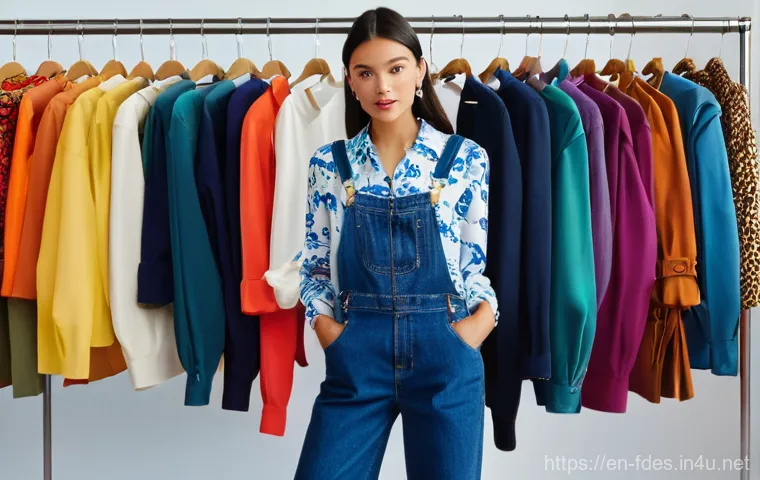
I can’t tell you how many times I’ve walked into a client’s home and seen a closet overflowing with clothes, yet their biggest complaint is “I have nothing to wear!” It’s a common dilemma, and one I know all too well from my own experiences. The secret isn’t more clothes; it’s smarter clothes. Building a wardrobe that genuinely serves you starts with a ruthless edit and a clear vision. Think of it like this: if you don’t absolutely love it, if it doesn’t fit perfectly, or if you haven’t worn it in over a year (barring special occasion pieces, of course!), it’s probably time to let it go. This isn’t just about decluttering; it’s about making space for clarity in your style choices. When you can actually see what you own, you unlock so many more outfit possibilities you never even knew existed. This process helps you identify gaps, sure, but more importantly, it helps you recognize the workhorses in your wardrobe—those versatile pieces that earn their keep. It’s a revelation when you realize how many new combinations you can create just by understanding your existing inventory better. Seriously, I’ve seen it transform how my clients approach fashion, making them feel more confident and less stressed about getting dressed every morning.
Defining Your Signature Style
Before you even think about buying a new hanger, you need to pin down your personal style. I mean, what truly resonates with you? Are you a classic minimalist, a bohemian dream, or someone who loves edgy, modern pieces? It’s not about trends here; it’s about understanding your core aesthetic. I often guide my clients through mood boards or even just a quick scroll through their saved Instagram posts to find recurring themes. Once you have a clear picture, say, “I love chic, tailored looks with a touch of effortless cool,” then every purchasing decision becomes so much easier. This framework helps you avoid impulse buys that don’t align with your true self, which, trust me, is one of the biggest budget-busters out there. I remember buying a vibrant, patterned jumpsuit years ago because it was “in.” It sat in my closet, unworn, because it just wasn’t me. Learning that lesson was tough on my wallet but invaluable for my style evolution. Your signature style is your compass in the vast ocean of fashion.
Building a Versatile Capsule Wardrobe
Now, once you know your style, it’s time to embrace the magic of a capsule wardrobe. This isn’t about having a boring, all-beige closet, unless that’s your vibe! It’s about a curated collection of versatile, high-quality pieces that mix and match effortlessly, extending your outfit possibilities exponentially. Think timeless staples: a well-fitting blazer, a classic white shirt, a great pair of jeans, a versatile little black dress, and comfortable yet stylish trousers. These are the building blocks. I’ve personally found that focusing on neutral base colors like black, white, navy, and gray allows for incredible flexibility, then you can infuse your personality with pops of color or interesting accessories. My own capsule wardrobe has saved me countless hours and a significant amount of money because I’m no longer chasing fleeting trends. Instead, I invest in pieces that truly last and work hard in my closet. It’s a sustainable approach that benefits both your wallet and the planet.
The Savvy Shopper’s Handbook: Thrifting and Secondhand Treasures
Oh, the thrill of the hunt! Thrifting is hands down one of my favorite ways to score unique, high-quality pieces without the hefty price tag. It’s like a treasure map, and every store is a potential X marks the spot. I’ve found everything from vintage designer blouses to perfectly tailored wool coats that look like they cost a fortune but were mere dollars. The key is patience and a keen eye. You’re not just buying clothes; you’re unearthing stories and giving garments a second life, which, let’s be honest, feels pretty good. Plus, with the rising awareness around sustainable fashion, secondhand shopping isn’t just budget-friendly, it’s a statement against fast fashion’s environmental impact. My top tip for thrifting like a pro? Go often, and keep an open mind. Don’t be afraid to dig through racks, even in sections you wouldn’t normally consider. Some of my best finds have been hiding in unexpected places, proving that a little extra effort can lead to big rewards.
Mastering the Art of the Thrift Store Find
When I go thrifting, I always have a mental list, but I also leave room for spontaneity. I look for quality fabrics like silk, wool, linen, and cashmere, which often retail for a lot but can be found for a steal. Checking seams, zippers, and buttons is crucial; you want pieces that are well-constructed and will last. Don’t be deterred by a slightly off fit; tailoring can work wonders and make a thrifted piece look custom-made. I’ve had so many “almost perfect” pieces become absolute wardrobe staples after a quick trip to my tailor. Also, consider the potential for upcycling – that oversized men’s shirt could become a chic summer dress, or those vintage denim jeans could be cropped into stylish shorts. It’s about seeing beyond the immediate and envisioning the possibilities. And trust me, the compliments you get on a unique thrifted find hit different; it’s a conversation starter and a testament to your personal style savvy.
Online Secondhand Marketplaces
In today’s digital age, thrifting isn’t just about rummaging through brick-and-mortar stores. Online platforms like Depop, Poshmark, and even dedicated vintage shops offer an incredible array of pre-loved fashion. This opens up a world of possibilities, allowing you to search for specific brands, styles, or even sizes from the comfort of your couch. I’ve found some truly rare gems this way, pieces that I never would have stumbled upon locally. The trick here is to be diligent with measurements and photos. Always ask for more details if you’re unsure, and read reviews of sellers. It’s a slightly different kind of hunt, but just as rewarding. Plus, selling items you no longer wear on these platforms can earn you a little extra cash, which can then be reinvested into your curated wardrobe, creating a beautiful, sustainable cycle. It’s a win-win for your wallet and for keeping fashion circular!
Strategic Investing: Quality Over Fleeting Trends
This is where I truly believe in the “buy less, choose well” philosophy. While fast fashion might offer immediate gratification with its low prices, I’ve personally found that those pieces rarely stand the test of time. They fade, fall apart, or just look cheap after a few washes, costing you more in the long run because you’re constantly replacing them. My advice to clients is always to invest in key, foundational pieces made from quality materials. Think about items you wear frequently: a versatile coat, a great pair of boots, a classic handbag, or a timeless watch. These items have a higher “cost per wear” over their lifespan, making them incredibly economical. I’ve had a classic wool coat for years that still looks brand new, and the cost per wear at this point is probably pennies. It’s about shifting your mindset from immediate cost to long-term value. This approach not only elevates your style but also fosters a more sustainable relationship with your clothes.
Identifying Investment Pieces
So, how do you spot an investment piece? It’s not just about the brand name (though some designer pieces certainly hold their value due to superior craftsmanship). It’s about fabric quality – look for natural fibers like cotton, linen, silk, wool, and leather. Pay attention to construction: are the seams straight and strong? Are buttons securely sewn? Does the garment have a good weight and drape? These are the details that separate a transient trend from a lasting staple. I always recommend trying on an item multiple times before committing. Does it make you feel confident? Does it fit your body beautifully? If the answer is a resounding “yes,” then it’s likely a worthwhile investment. For me, a beautifully tailored blazer in a neutral color is a non-negotiable investment piece. I can dress it up, dress it down, and it always makes me feel polished and put-together, no matter what else I’m wearing.
Understanding Cost Per Wear
This is a game-changer for budgeting, and honestly, it completely reshaped my own shopping habits. The “cost per wear” calculation helps you justify spending more on a high-quality item because you know you’ll wear it hundreds of times. Take a £20 top that you wear twice before it stretches out or falls apart – that’s £10 per wear. Now, consider a £200 coat that you wear 100 times a year for five years. That’s £0.40 per wear! Which is the better value? It’s a no-brainer when you break it down like that. When I’m considering a pricier item, I mentally (or sometimes literally!) do this calculation. It takes the sting out of the initial investment and helps me focus on how much joy and utility I’ll get out of the piece over time. This approach has led me to a closet filled with cherished items that I truly love and wear repeatedly, rather than a pile of cheap, forgotten pieces.
Accessorize Like a Pro: The Power of Details
Accessories are truly the unsung heroes of a budget-friendly wardrobe. They have this incredible power to transform even the most basic outfit into something special, making it look much more expensive and polished than it actually is. Seriously, I’ve taken a simple white tee and jeans, added a statement necklace, a chic belt, and a great pair of sunglasses, and suddenly, it’s a whole new vibe. It’s like magic! You don’t need a closet full of trendy clothes if you have a well-curated collection of accessories that speak to your style. Plus, they’re often more affordable than a full garment and can update your look instantly without committing to a whole new trend. I always tell my clients, if you’re going to splurge a little, make it on a timeless handbag or a classic watch; these items truly elevate everything else you’re wearing.
Statement Jewelry and Scarves
A well-chosen piece of jewelry can completely redefine an outfit. Think about a chunky gold necklace or elegant silver earrings – they can add a touch of sophistication or a pop of personality to a simple dress or sweater. I always keep an eye out for unique vintage jewelry at flea markets or online, as these pieces often have incredible character and a story, setting your look apart. Scarves are another fantastic tool in my fashion arsenal. A vibrant silk scarf can be tied around your neck, woven into your hair, or even used as a belt, adding color and texture in unexpected ways. The versatility is endless, and they instantly make an outfit feel more thoughtful and put-together. I have a collection of scarves that I’ve amassed over the years, and I swear they make almost every outfit feel fresh and exciting, even if it’s pieces I’ve worn a hundred times before.
Shoes and Handbags: The Finishing Touch
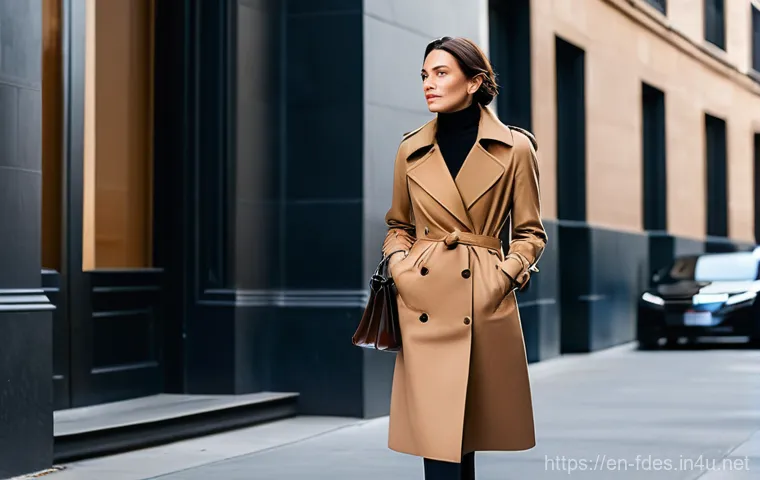
I know, I know, it’s tempting to skimp on shoes and bags, but trust me, they are game-changers. A stylish pair of shoes and a well-made handbag can instantly elevate your entire look, pulling everything together seamlessly. You don’t need dozens of them, but investing in a few classic, comfortable, and high-quality options in neutral colors is a smart move. I always prioritize quality leather bags and shoes because they last longer and genuinely improve with age. A structured bag in black, brown, or tan, and versatile shoes like classic loafers, elegant pumps, or chic ankle boots can take you through countless seasons and occasions. I personally love how a great pair of boots can transform a simple dress into something edgy and stylish, or how a classic structured handbag makes any casual outfit look instantly more polished. It’s about those small, intentional choices that create a big impact.
| Fashion Budget Strategy | What It Means | Why It Saves You Money |
|---|---|---|
| Capsule Wardrobe | A small, curated collection of versatile, interchangeable clothing items. | Reduces impulse buys, maximizes outfits from fewer pieces, focuses on longevity. |
| Thrifting / Secondhand | Shopping for pre-owned clothing at charity shops, consignment stores, or online marketplaces. | Significantly lower prices, unique finds, supports sustainability, reduces waste. |
| Cost Per Wear (CPW) | Calculating an item’s total cost divided by how many times you expect to wear it. | Encourages investing in durable, versatile items over cheap, disposable ones. |
| DIY & Upcycling | Transforming existing garments or creating new ones from materials you already own. | Eliminates new purchases, allows for personalization, extends garment life. |
| Strategic Accessorizing | Using accessories to refresh and elevate existing outfits instead of buying new clothes. | Adds variety and polish without major clothing investments, high impact for low cost. |
DIY Style Hacks: Unleashing Your Inner Designer
Sometimes, the best fashion investment isn’t money, but a little bit of creativity and elbow grease! I’m a huge believer in DIY style hacks and upcycling. It’s not just for the crafty; it’s for anyone who wants to personalize their wardrobe, save money, and contribute to a more sustainable fashion cycle. I’ve seen some truly amazing transformations, from turning an old pair of jeans into a chic skirt to adding unique embellishments to a plain jacket. It’s incredibly satisfying to take something you already own and give it a whole new life, making it feel fresh and exciting again without spending a dime. Plus, the pieces you create or customize often have a unique story and reflect your personality in a way that mass-produced items just can’t, helping you stand out from the crowd.
Simple Alterations and Customizations
Learning a few basic sewing skills can be a total game-changer for your wardrobe and your budget. I mean, seriously, a simple hem adjustment can make a pair of trousers look perfectly tailored, transforming your entire silhouette. Replacing old, dull buttons with something more stylish can instantly elevate a coat or a blazer. I once took a plain denim jacket and added some vintage patches and a bit of embroidery, and it became one of my most complimented pieces. It’s about looking at your existing clothes with fresh eyes and asking, “How can I make this more me?” There are tons of online tutorials for everything from minor repairs to major transformations, and honestly, the sense of accomplishment you get from wearing something you’ve personally tweaked is unmatched. It’s empowering to take control of your style in such a hands-on way.
Upcycling and Creative Restyling
Beyond simple alterations, think about completely repurposing garments. That old sweater with a stain? Could it become a cozy scarf or a cute beanie? Those jeans that are too worn for regular wear? Turn them into stylish shorts or even a tote bag! I’ve had clients who have taken old formal dresses and dyed them a new color or cut them shorter for a completely different look. Clothing swaps with friends are another fantastic way to refresh your wardrobe without spending any money. It’s essentially free shopping, and you get to clear out your closet while gaining some “new to you” items. My friends and I do this a couple of times a year, and it’s always a blast—we get to catch up and find some amazing new pieces to experiment with. It’s all about creativity and challenging yourself to see the potential in what you already have.
Maintaining Your Wardrobe: Longevity is Key
This is probably one of the most overlooked aspects of fashion budgeting, yet it’s one of the most impactful. Taking good care of your clothes extends their lifespan, meaning you buy less often and save more money in the long run. It sounds simple, right? But how many of us actually read those care labels? I’m guilty of tossing everything into the washing machine on the same setting, but I’ve learned that treating your garments with the respect they deserve makes a huge difference. Proper care maintains the quality, color, and shape of your clothes, ensuring they look great wear after wear. It’s an investment of time, but it pays dividends in dollars saved and a consistently chic wardrobe. Think of it as nurturing your fashion assets!
Proper Care and Storage
Understanding how to properly wash, dry, and store your garments is crucial. For example, delicate items often need hand washing or a gentle cycle, while wool and silk should be air-dried flat to maintain their shape. I’ve also learned that not everything needs to be washed after every wear; sometimes a good airing out is all it takes, which saves on water, energy, and wear and tear on the fabric. Proper storage, like using padded hangers for delicate blouses or folding knitwear to prevent stretching, also plays a huge role. I even use garment bags for my special occasion pieces to keep them dust-free and protected. These small habits, over time, significantly extend the life of your clothes, keeping them looking new for much longer and saving you from premature replacements. It truly makes a difference in maintaining that “expensive” look on a budget.
Minor Repairs and Professional Help
Don’t throw away a favorite shirt because of a missing button or a loose seam! Learning basic repair skills like sewing on a button, mending a small tear, or re-hemming a fallen stitch can save you a ton of money and keep cherished items in your rotation. There are countless tutorials online for these simple fixes. For more complex issues, finding a good, affordable tailor is an absolute game-changer. They can transform ill-fitting garments into custom-like pieces, making even budget-friendly items look high-end. I’ve had so many clients lamenting a perfectly good dress that just didn’t fit quite right, only to be amazed at how a tailor could make it feel brand new. It’s a small investment that yields huge returns in terms of wardrobe longevity and confidence in your clothes.
글을 마치며
Whew! We’ve covered a lot of ground today, and I truly hope these insights empower you to approach your wardrobe with a fresh perspective and a smart strategy. Remember, looking fabulous isn’t about the size of your budget; it’s about the intelligence of your choices and the creativity you bring to your personal style. By embracing intentional shopping, caring for what you own, and exploring the fantastic world of pre-loved fashion, you’re not only saving money but also building a sustainable wardrobe that truly reflects who you are. It’s a journey, not a destination, and I promise you, the satisfaction of rocking a chic, budget-friendly outfit is truly unmatched!
알아두면 쓸모 있는 정보
1. Start with a thorough closet cleanse. Get rid of anything that doesn’t fit, flatter, or bring you joy. A clear closet equals a clear mind for styling!
2. Embrace the thrill of secondhand shopping. Whether online or in-store, countless unique and high-quality items are waiting for a new home without the hefty price tag.
3. Always calculate the “cost per wear” for pricier items. This mindset shifts your focus from initial cost to long-term value, justifying investments in quality pieces.
4. Harness the power of accessories. A few well-chosen scarves, jewelry pieces, or a versatile handbag can completely transform an outfit and keep it feeling fresh.
5. Take meticulous care of your clothes. Proper washing, drying, and storage habits extend the life of your garments, saving you money on replacements and maintaining their pristine look.
중요 사항 정리
To summarize our deep dive into looking chic on a budget, remember these core principles: curate your closet with intention, prioritizing versatility and personal style over fleeting trends. Become a savvy shopper by exploring secondhand options and understanding the true value of items through their “cost per wear.” Don’t underestimate the transformative power of accessories to refresh and elevate your existing outfits. Finally, treat your wardrobe with care through proper maintenance and minor repairs to ensure longevity. By integrating these strategies, you’re not just saving money; you’re cultivating a more sustainable, authentic, and genuinely stylish personal brand that will always shine.
Frequently Asked Questions (FAQ) 📖
Q: It feels like I’m always looking at a closet full of clothes and thinking, “I have nothing to wear!” How can I break out of this cycle and truly feel stylish without constantly buying new things?
A: Oh, trust me, darling, you are absolutely not alone in that feeling! It’s practically a universal fashion dilemma. As a fashion coordinator, I’ve seen it countless times – a bursting wardrobe, but a deflated spirit in front of it.
The key, I’ve found, isn’t about having more clothes, but about knowing how to truly use the ones you already own. My favorite trick, and one I swear by myself, is rediscovering your own closet.
Dedicate an afternoon to “shopping” your existing wardrobe. Pull everything out, really look at each piece, and try on combinations you’ve never considered before.
You’d be amazed at how a simple top you always wore with jeans can be transformed with a skirt and a belt. Try mixing patterns, layering unexpected pieces, or even just rolling up sleeves or tucking in a shirt differently.
I’ve personally unearthed so many “new” outfits this way, and it’s a brilliant way to spark creativity without spending a dime. Also, don’t underestimate the power of accessories!
A scarf, a statement necklace, or a new pair of earrings can completely refresh an old outfit. It’s all about intentionally styling what you have and seeing each item as a versatile building block, not just a single-purpose garment.
You’ll not only save money but also develop a much stronger sense of personal style.
Q: With new trends popping up every five minutes, how can I stay chic and updated without constantly draining my bank account? What are your best budget-friendly fashion secrets?
A: This is such a critical question, especially in today’s fast-paced fashion world! It can feel like an impossible task, right? But here’s the exciting secret: staying chic on a budget isn’t just possible, it’s actually incredibly rewarding.
My absolute go-to strategy, which I preach to all my clients, is savvy thrifting and consignment shopping. Seriously, you wouldn’t believe the designer finds and unique, high-quality pieces I’ve snagged for a fraction of their original price.
It takes a little patience and a keen eye, but the thrill of the hunt and finding that perfect, one-of-a-kind item is unmatched. Beyond thrifting, become a smart shopper.
Instead of impulse buys, wait for sales, scour online clearance sections, and sign up for loyalty programs. Another gem I’ve learned is to identify timeless trends that have staying power rather than chasing every fleeting fad.
Think classic silhouettes, versatile colors, and quality fabrics. Invest in a few key “hero” pieces that you can mix and match endlessly – a great pair of jeans, a crisp white shirt, a classic blazer.
These form the backbone of your wardrobe and make everything else work harder. Remember, true style isn’t about how much you spend; it’s about how cleverly you curate your look.
Q: I want a wardrobe that truly lasts and feels versatile for all aspects of my life. How do I go about building a capsule wardrobe and investing in quality pieces without breaking the bank upfront?
A: Ah, the capsule wardrobe – my favorite topic! This is where you truly transform your relationship with fashion, moving from frantic consumer to mindful curator.
It’s not about having fewer clothes necessarily, but having better, more intentional ones that work seamlessly together. Building one without upfront financial strain is totally doable.
First, start with an audit of your current wardrobe. What do you wear 80% of the time? Those are your core pieces.
Then, identify your personal style and lifestyle needs. Do you need more professional attire, or is your life more casual? This clarity is gold.
When you are ready to add, my best advice is to save up for quality over quantity. Instead of buying five cheap tops that fall apart after a few washes, save up for one or two beautifully made pieces that will last years.
Think about cost per wear – a $100 dress you wear 20 times is cheaper per wear than a $20 dress you wear twice. I’ve personally found that investing in versatile basics like a high-quality wool coat, a classic leather bag, or a durable pair of boots pays dividends in the long run.
Look for natural fibers like cotton, linen, silk, and wool, as they tend to wear better and feel more luxurious. Don’t feel like you need to buy everything at once; build your capsule slowly and thoughtfully, adding pieces that truly fill a gap and align with your vision.
It’s a journey, not a sprint, but one that will leave you with a wardrobe you adore and a wallet that’s much happier.