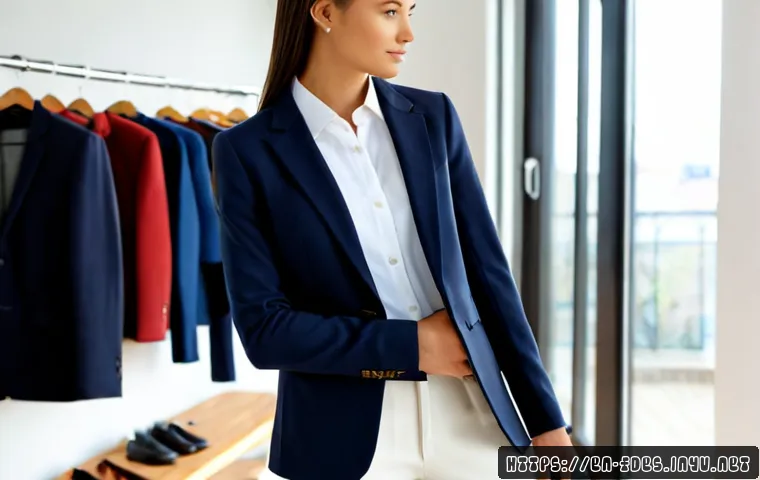
Fashion coordination is moving beyond selecting outfits toward managing consistent visual experiences across e-commerce, content, retail, and client services.

The most useful investments are usually a focused portfolio, dependable workflow skills, and tools that solve a real workload problem—not every course or software subscription available.
Digital styling, product organization, personalized recommendations, and sustainability-aware wardrobe planning are creating more ways to specialize. For beginners, professional styling courses can help structure learning, but a certification alone does not secure work.
For brands, the right choice between an in-house coordinator, freelance stylist, agency, or styling software depends on volume, speed, and the level of creative control required.
The strongest long-term position combines creative judgment with clear communication and commercial awareness.
At a Glance
- Fashion coordinators are increasingly needed across channels, including e-commerce, retail, editorial, events, campaigns, and wardrobe consulting.
- AI can support research and organization, but human review remains important for brand fit, practicality, and creative decisions.
- Training, software, and outside support should match a specific need, such as portfolio development, product volume, or client-service capacity.
| Option | Best Fit | Primary Strength | Key Consideration |
|---|---|---|---|
| In-house coordinator | Brands with ongoing styling and content needs | Close brand and team alignment | Requires a continuing workload and internal coordination |
| Freelance stylist | Campaigns, launches, events, or flexible project work | Specialist support without building a full internal role | Scope, timelines, revisions, and usage rights should be documented |
| Agency support | Projects needing broader production coordination | Can bring multiple services together | Confirm who handles each deliverable and approval stage |
| Styling software | Teams managing digital wardrobes, catalogs, or recurring visual workflows | Organization and repeatable processes | Does not replace creative direction or human quality checks |
Where Fashion Coordination Is Heading
From Outfit Selection to a Multi-Channel Brand Experience
Fashion coordination is no longer limited to choosing garments for a single shoot or occasion. A coordinator may need to consider how a look appears on a product page, in social content, in an email campaign, on a retail floor, or in a client wardrobe plan. The core task is increasingly about creating a visual system that feels coherent across those touchpoints.
This shift makes brand consistency a practical skill. A strong outfit can still fail if it conflicts with available inventory, campaign messaging, product priorities, or the intended customer experience. Coordinators who understand both the creative brief and the commercial context can be more useful to retail and e-commerce teams.
Why E-Commerce, Content, and Personalization Are Expanding the Role
Digital commerce has raised the importance of product styling, visual merchandising, and personalized outfit recommendations. E-commerce styling can involve photographers, merchandisers, buyers, marketing teams, and inventory systems, so the work often depends on clear handoffs as much as visual taste.
For personal styling, clients may expect help with wardrobe planning, outfit combinations, and practical garment choices. For brands, content production may require looks that can be adapted for several formats. In both settings, the coordinator’s value comes from making decisions easier, clearer, and more usable.
Three Skills Likely to Remain Valuable
- Creative editing: selecting looks that suit a brief rather than simply following a trend.
- Workflow coordination: organizing samples, images, product details, feedback, and approvals.
- Client and team communication: explaining choices, documenting scope, and responding to changes professionally.
Technology may accelerate parts of the workflow, but it does not remove the need to judge fit, context, practicality, and brand meaning.
Career Routes Compared: Editorial, Retail, E-Commerce, and Personal Styling
Responsibilities, Settings, and Portfolio Expectations
Editorial styling often emphasizes visual storytelling and collaboration with creative teams. Retail coordination may focus more on visual merchandising, customer needs, and store presentation. E-commerce styling commonly requires product awareness, catalog consistency, and collaboration across operational teams. Personal styling centers on individual client communication and wardrobe planning.
A useful fashion portfolio should reflect the route you want to pursue. Editorial work can show concept development and image direction. Retail examples can show coordinated displays or outfit logic. E-commerce examples can demonstrate product grouping, consistent image selection, and awareness of product information. Personal styling work can show wardrobe planning approaches without exposing private client details.
In-House Employment Versus Freelance Project Work
In-house roles can offer closer involvement with a brand’s ongoing visual direction and internal processes. Freelance styling can offer variety across clients and projects, but it also makes portfolio quality, contracts, and client communication especially important. Neither route automatically provides better results; the better fit depends on working preferences, available opportunities, and the type of work being pursued.
Freelancers should define deliverables before work begins. A styling request may include concept development, garment pulls, outfit assembly, on-set coordination, digital look boards, or revisions. Treating all of these as one vague service can create avoidable confusion.
What to Compare Before Choosing a Route
Consider how much control you want over your schedule, how comfortable you are with client acquisition, and whether you prefer repeatable brand systems or varied projects. A portfolio platform can be useful when it makes work easy to review, but the presentation should remain selective. A smaller set of clearly explained projects is often more useful than a large collection with no context.
Technology, AI, and Sustainability Skills That Add Practical Value
Useful Tools for Everyday Styling Work
Digital tools can support mood boards, image organization, digital wardrobes, product catalogs, and workflow management. The right fashion business software is the one that reduces repeated work for your actual process. For example, a coordinator managing many product images may prioritize catalog organization, while a personal stylist may prioritize wardrobe planning and client-facing presentation.
Before paying for a subscription, identify the task that is currently slow or error-prone. If a free tool already handles that task well, a paid specialist platform may not be necessary yet. If several people need shared access, structured approvals, or consistent product information, a more dedicated system may be worth reviewing.
Where AI Helps—and Where Human Review Matters
AI-assisted tools can help with outfit ideation, product tagging, trend monitoring, image organization, and customer personalization. These capabilities can speed up early research and reduce repetitive sorting. However, generated suggestions need human review for accuracy, brand suitability, visual coherence, and practical availability.
AI is best treated as a support layer, not a final decision-maker. A tool may suggest combinations, but it cannot reliably resolve every issue involving fabric feel, fit, campaign context, client comfort, or the difference between a trend and a lasting brand choice.
Responsible Styling Choices
Sustainability considerations increasingly influence garment selection, rental, resale, sourcing, and wardrobe planning. A coordinator does not need to make broad claims about every item to work more responsibly. Useful questions include whether a garment can be reworn, whether a rental or resale option suits the brief, and whether the sourcing information is clear enough for the intended use.
Garment longevity can also be part of a better styling recommendation. For personal styling, this may mean planning several outfits around pieces a client is likely to use. For brand work, it may mean asking whether the visual story aligns with the product and sourcing information available.
Building a Future-Ready Portfolio and Service Offer
Portfolio Projects That Show Commercial Thinking
A future-ready portfolio should show more than attractive images. Include a short explanation of the brief, audience, product or wardrobe goal, your role, and the final deliverables. This helps employers and clients see how you think through a real styling assignment.
Useful project formats include an e-commerce product story, a seasonal retail concept, a personal wardrobe plan, a campaign look board, or an event styling proposal. Clearly label whether the project is self-directed, collaborative, or client work. Accuracy and transparency build more trust than trying to make every project look like a major commercial campaign.
Scope, Revisions, Usage Rights, and Communication
For freelance work, define scope in plain language. Confirm what is included, what requires additional approval, how feedback will be handled, and what materials the client will receive. If images or styling concepts will be reused in another campaign or format, discuss usage rights before final delivery.
Good client communication is not only about being responsive. It means confirming the brief, noting missing information, identifying decision-makers, and keeping records of changes. This is especially important when several teams are involved in e-commerce or brand content production.
Common Early-Career Mistakes
Common mistakes include relying on trends alone, leaving deliverables unclear, and failing to document decisions. Another problem is presenting a portfolio with no explanation of the business or creative goal. Strong styling is not just about having ideas; it is about showing how those ideas can be executed within a real workflow.
When to Pay for Training, Software, or Outside Support
Evaluating Styling Courses and Certifications
A professional styling course may be useful when you need structured practice, feedback, or a clearer introduction to fashion business basics. Before enrolling, review what the course actually teaches: portfolio development, styling process, client work, visual merchandising, digital tools, or another specific area.
No course or certification guarantees employment, client income, or creative success. Compare the learning format with your current gap. If your main need is better portfolio material, practical project work may matter more than collecting another credential. Check the official course page for syllabus details, assessment methods, and terms before committing.
Free Tools, Paid Subscriptions, and Specialist Platforms
Start with a workflow audit. Do you need a better mood-board process, shared product catalog, image library, digital wardrobe, or project management system? A paid subscription makes more sense when it saves meaningful time, improves collaboration, or supports a service you already provide.
Do not assume a specialist platform will create a stronger portfolio by itself. The quality of your brief interpretation, edit, documentation, and final presentation still matters. Review features, user limits, export options, and cancellation terms on the official product page before subscribing.
When Brands Should Use Freelance, Agency, or Internal Support
A brand may consider a freelance fashion coordinator for a defined campaign, launch, event, or temporary workload. Agency support can suit projects that need broader coordination across creative and production tasks. An internal team may be more appropriate when styling decisions are frequent and closely tied to ongoing merchandising, inventory, and content operations.
Start with the scope rather than the title. Ask how many deliverables are needed, who approves the work, which systems must be used, and how quickly changes are expected. This makes outsourcing decisions more practical and helps avoid paying for a level of support the project does not require.
Selection Criteria and Comparison Summary
Choose your next investment by checking these points before you commit:
- Workload: Is the need occasional, project-based, or ongoing?
- Goal: Do you need stronger skills, faster organization, more content capacity, or outside creative perspective?
- Workflow fit: Will the course, software, or styling partner work with your existing team and process?
- Scope clarity: Are deliverables, revisions, timelines, and usage expectations written down?
- Portfolio value: Will this choice help create work that demonstrates relevant skills?
Before selecting a styling course, software subscription, or freelance partner, compare the official details, service scope, and conditions on the relevant provider page. The best option is usually the one that solves a defined problem without adding unnecessary complexity.
Final Thoughts
The future of fashion coordination is likely to reward people who can connect creative styling with digital workflows, client needs, and responsible garment choices. Technology can make research and organization faster, but thoughtful editing and communication remain central. Build skills around the type of work you want to do, then choose training and tools with a specific purpose. For brands, a clearly defined brief is often the starting point for better hiring and outsourcing decisions.
Useful Information to Keep in Mind
1. Keep portfolio files organized so projects can be adapted for different opportunities.
2. Use written briefs and approval steps when collaborating with photographers, buyers, marketers, or clients.
3. Treat sustainability as a set of practical sourcing and wardrobe questions, not a vague marketing label.
4. Test whether a new tool fits your workflow before building your entire process around it.
Important Notes
Career demand, income, and hiring conditions for fashion coordinators vary by location, specialty, employer, and economic conditions. The value of a course, software subscription, or outsourced styling service depends on individual workload and business goals. Review contract terms, platform conditions, course content, and project requirements carefully before making a financial commitment.
Frequently Asked Questions
Q1. Will AI replace fashion coordinators?
A1. AI can support outfit ideation, product tagging, trend monitoring, image organization, and personalization. It still requires human review for creative direction, brand fit, practical garment choices, and client or team communication. It is better viewed as a workflow tool than a complete replacement for professional judgment.
Q2. Is a fashion styling course worth the cost for a beginner?
A2. It can be worthwhile if it provides structured learning that matches a clear gap, such as portfolio development, styling process, visual merchandising, or client-service basics. A course does not guarantee work, so compare the syllabus, format, feedback opportunities, and terms with what you need before enrolling.
Q3. Should a small fashion brand hire a freelance coordinator or use styling software first?
A3. Start by identifying the main problem. If the brand needs creative direction or support for a specific campaign, a freelance coordinator may be useful. If the main challenge is organizing product images, catalogs, or recurring workflow, styling software may help. For some brands, a defined freelance project can also reveal which tools are actually needed later.